Roof Repair
We trace leaks and address failed flashing, pipe boots, vents, valleys, lifted shingles, missing material, and small areas of storm damage when the surrounding roof can still support a lasting repair.
See roof repair options
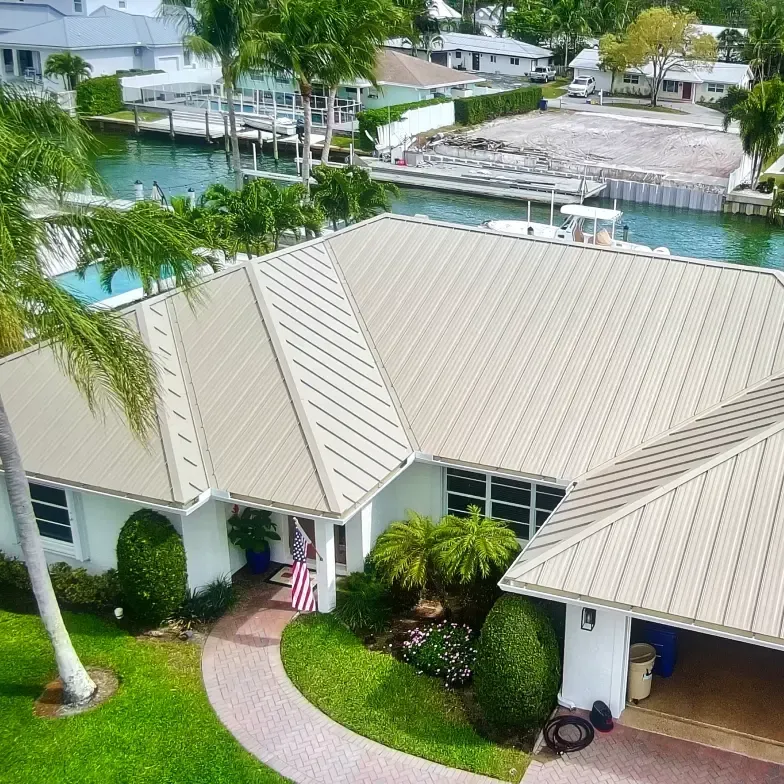
Lake County roofs take a beating from bright sun, hard summer rain, shifting wind, and constant humidity. Revildor helps homeowners with roof repair, replacement, asphalt shingles, metal roofing, and storm inspections across the county.
We do not make the call from the driveway. We check the surface, flashing, valleys, penetrations, ventilation, drainage, and visible deck conditions so you understand what failed and what will actually fix it.




Pick the concern that looks closest to yours. The tool gives you a sensible starting point, but a roofer still needs to inspect the property before recommending work.
Your answer appears right away, and you do not need to submit a form.
We look at the roof surface, age, repair history, flashing, ventilation, decking, drainage, tree cover, and storm exposure before discussing repair or replacement.
Book a roof inspection This indicator offers general guidance for homeowners. It is not a damage finding, engineering opinion, code determination, or insurance decision.Revildor is a licensed Central Florida roofing contractor that repairs and replaces residential roofs across Lake County, including asphalt shingle and metal systems. We also inspect roofs after wind, heavy rain, and falling debris. Revildor operates under Florida licenses CCC1328368 and CGC1508771 and has served Central Florida since 2007.
A useful recommendation starts with the full roof, not one damaged shingle. We review deck condition, underlayment, flashing, penetrations, valleys, ventilation, drainage, prior repairs, tree exposure, and the way wind reaches the home.
A leak in a Mount Dora bungalow is not the same job as worn shingles on a newer Clermont home or edge damage on an open lakefront lot. We inspect the roof first, then explain whether a focused repair, full replacement, shingle system, metal system, or storm related scope makes sense.
We trace leaks and address failed flashing, pipe boots, vents, valleys, lifted shingles, missing material, and small areas of storm damage when the surrounding roof can still support a lasting repair.
See roof repair optionsWe replace aging or repeatedly leaking roofs when widespread wear, damaged underlayment, weak decking, or multiple failed details make another patch a poor investment.
See roof replacement optionsWe plan shingle systems around roof pitch, ventilation, underlayment, flashing, curb appeal, Florida product requirements, and the amount of sun and wind the home receives.
Compare asphalt shinglesWe help homeowners compare standing seam and exposed fastener metal roofing based on roof shape, finish, flashing needs, maintenance, budget, and long term plans for the property.
Compare metal roof optionsAfter strong wind, heavy rain, or debris impact, we inspect visible roof surfaces, edges, ridges, flashing, and penetrations, then explain what needs attention now and what can be monitored.
Review storm riskThis broader inspection connects the leak or visible concern to roof age, past repairs, drainage, ventilation, flashing, penetrations, material wear, and the condition of the surrounding system.
Book a roof evaluationFlorida weather rarely damages every part of a roof at the same rate. Sun, afternoon rain, wind, humidity, tree debris, and ordinary aging often overlap, which is why one slope can look fine while another is already failing.
 Sun and heat
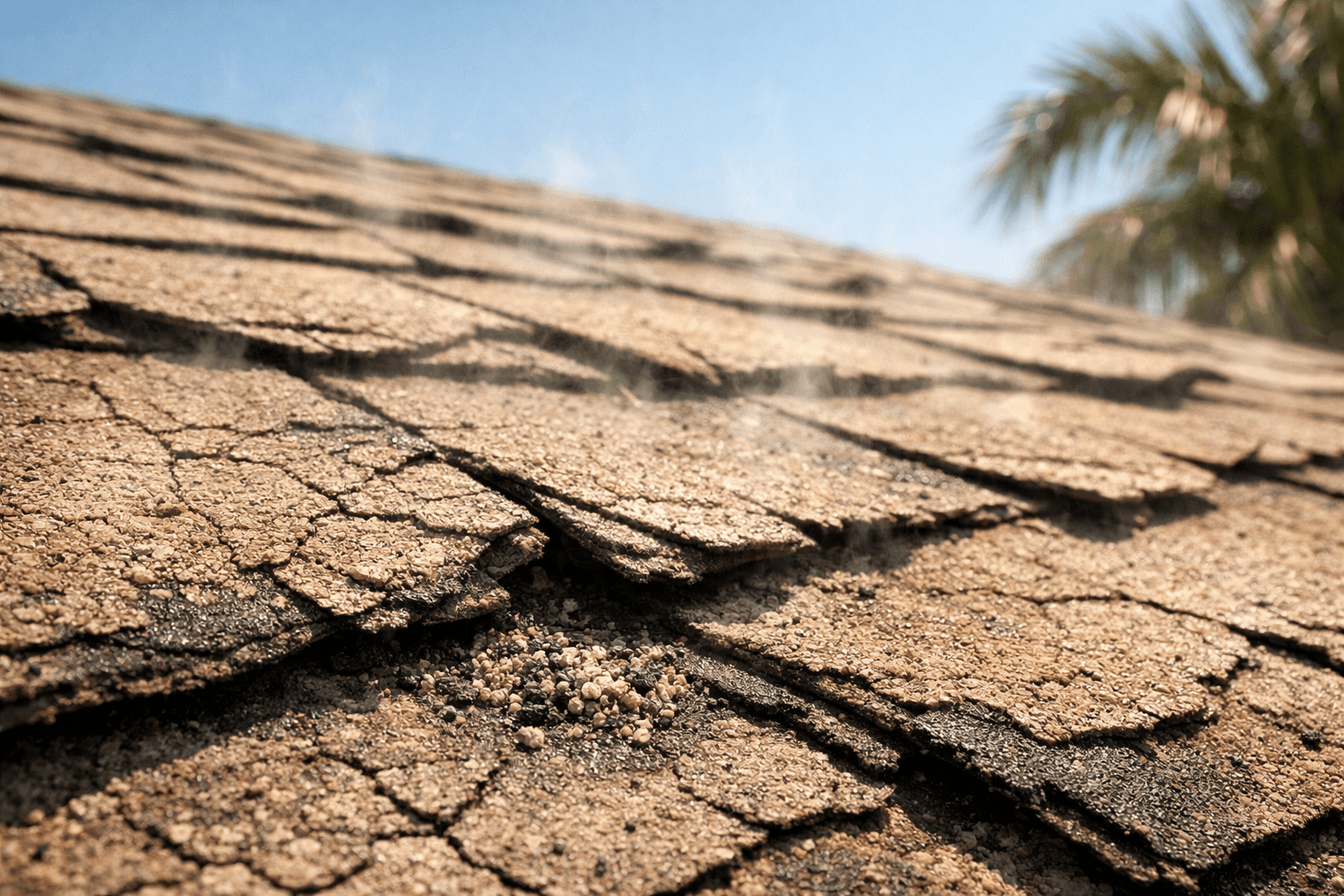
South and west facing slopes can lose granules and flexibility faster under Lake County sun. Poor attic airflow can add more heat from below.
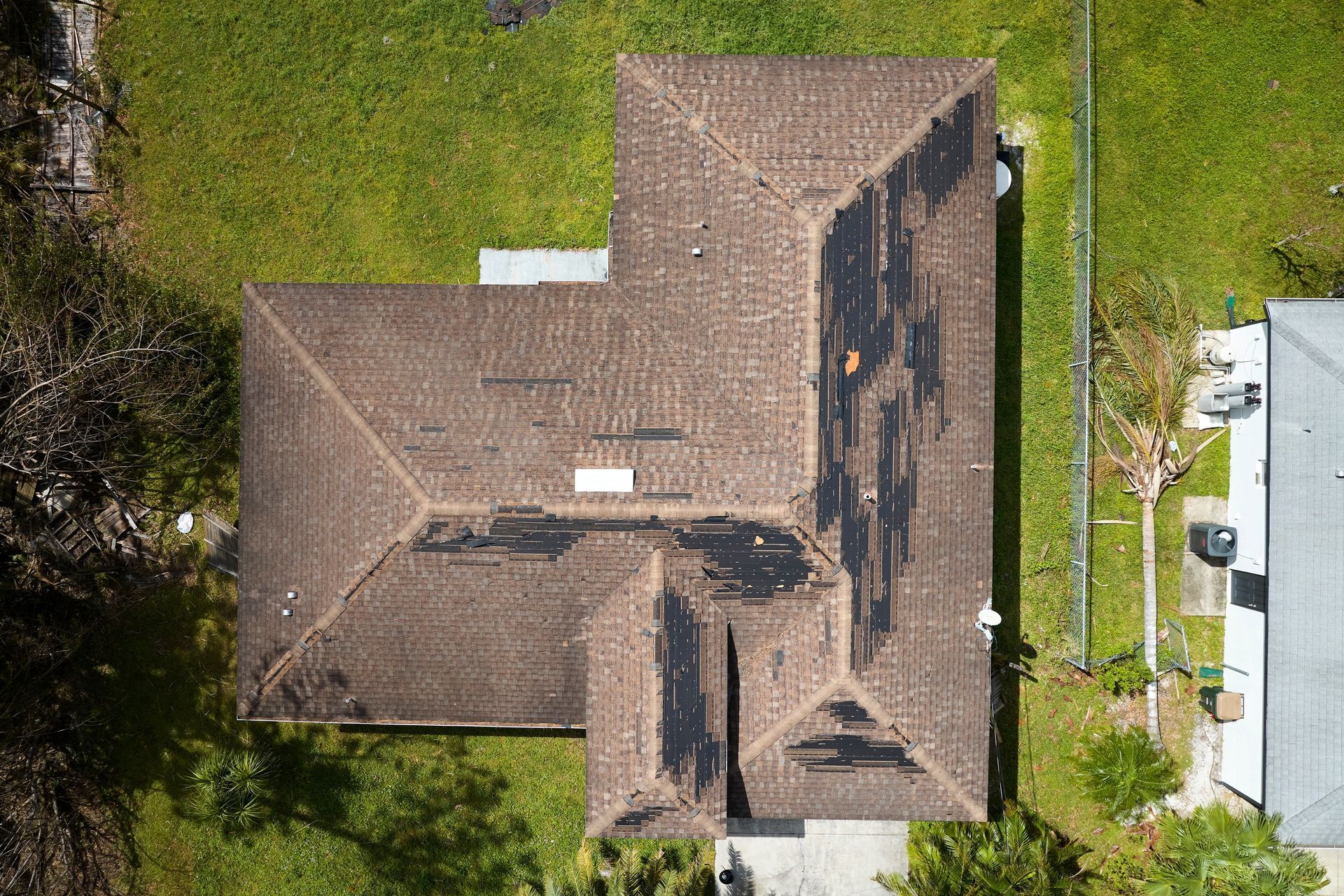 Wind and storms
Gusts can lift starter courses, shingle tabs, ridge caps, vents, and flashing. A small opening at an edge may let rain travel farther than the visible damage suggests.
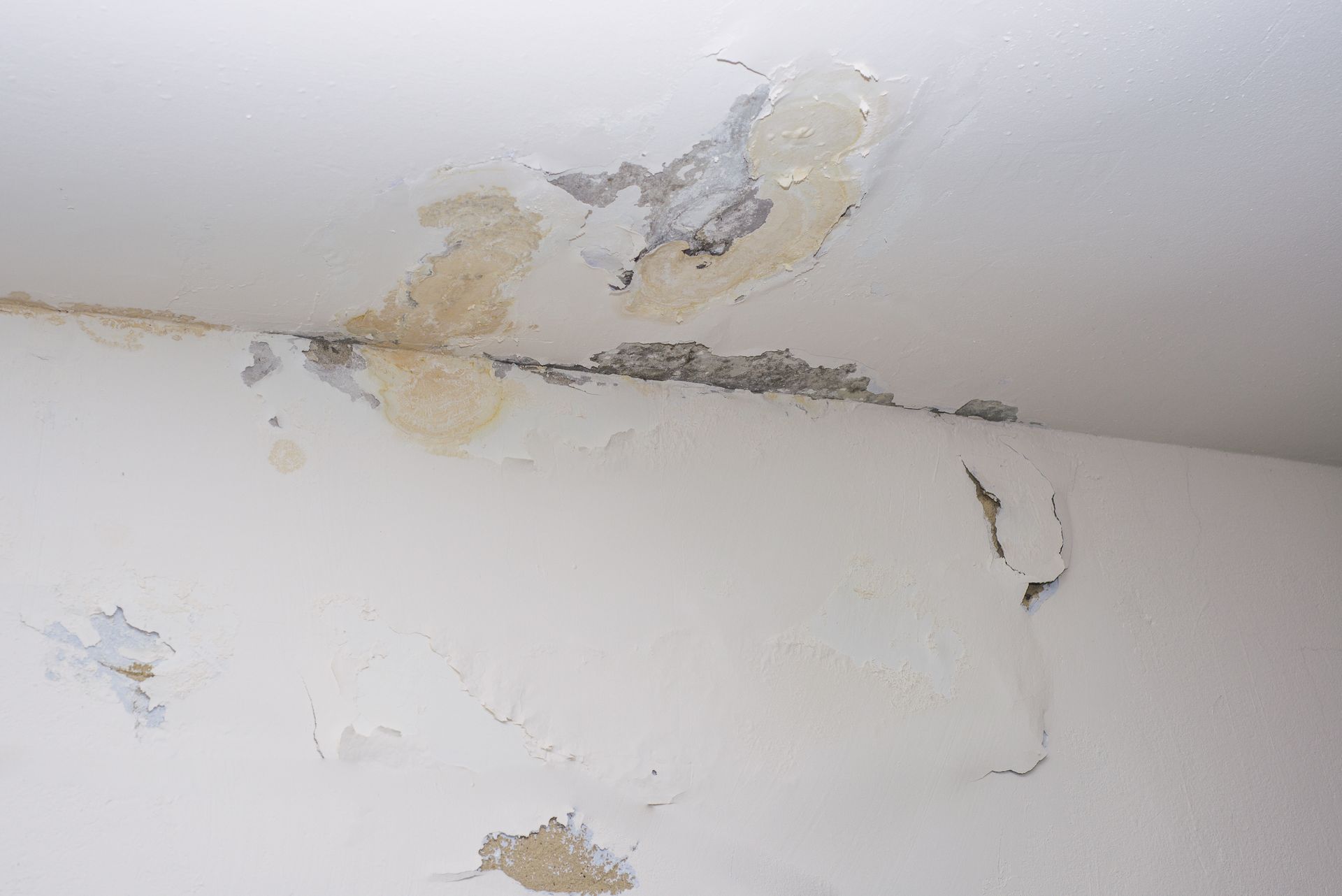 Heavy rain
Water can follow decking, rafters, pipes, or insulation before it appears indoors. We trace the path instead of sealing the first spot we see.
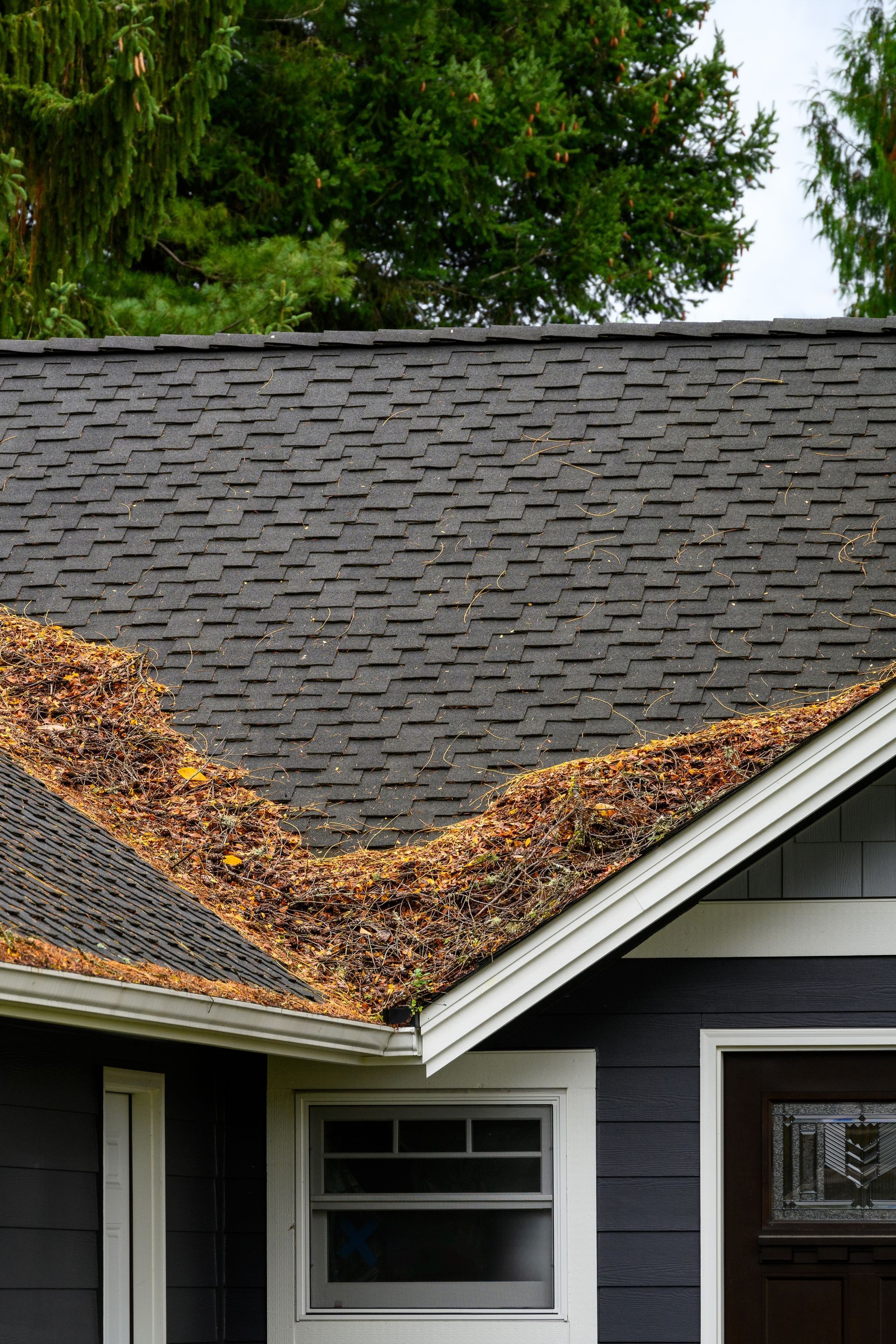 Trees and debris
Established neighborhoods around Mount Dora, Eustis, Tavares, and Leesburg often have mature oaks and pines. Leaves and small branches can collect in valleys, behind chimneys, and along gutters.
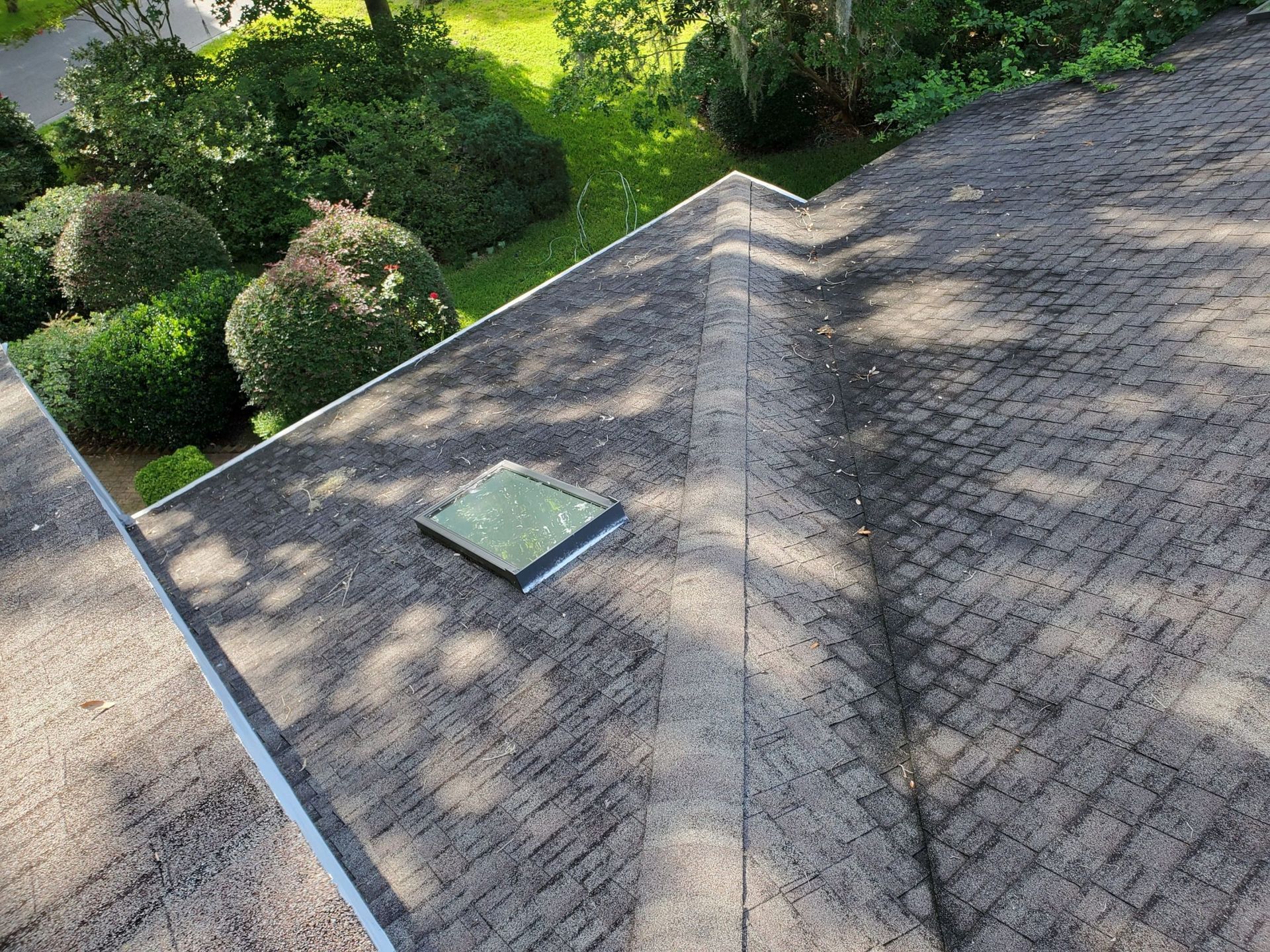 Uneven aging
Shade, direct sun, past repairs, nearby trees, and wind exposure can age one section faster than the rest. We compare all roof planes before estimating remaining life.
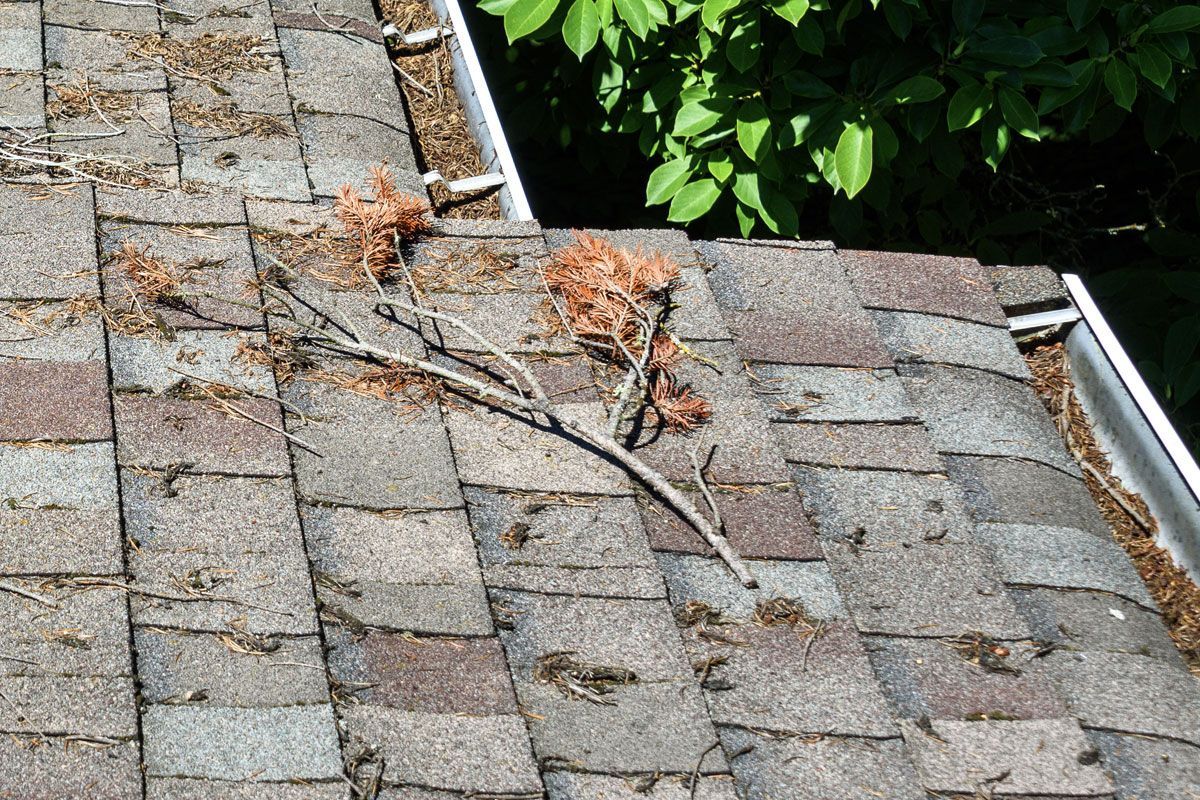 Drainage
Leaves, seed pods, loose granules, and small limbs can slow runoff. During a hard storm, water may back up toward flashing or push sideways into a weak transition.
Lake County is not one uniform housing market. A home near the Harris Chain, a hillside subdivision in Clermont, an older house in Eustis, and a rural property outside Umatilla can have very different roof access, drainage, wind exposure, and repair history.
Homes near lakes or broad open land can receive wind with less protection. We pay close attention to starter courses, edge metal, ridge details, flashing, and how the roof is fastened at vulnerable perimeters.
Clermont, Minneola, and Groveland have many homes with steep sections, intersecting valleys, covered entries, and multiple roof levels. Those transitions need clean drainage and carefully planned flashing.
Homes around Mount Dora, Tavares, Eustis, Leesburg, and Umatilla may include additions, replaced vents, older flashing, or several generations of repairs. We identify those changes before setting the scope.
Oak leaves, pine needles, and shaded roof planes can hold moisture after rain. Keeping valleys, gutters, and penetrations clear helps reduce the chance that a small weakness stays wet.
The visible material is only one part of the job. Decking, underlayment, flashing, penetrations, ventilation, roof edges, valleys, and drainage all have to work together when Lake County weather turns rough.
New roofing needs a solid base. We look for soft, rotted, sagging, delaminated, or poorly fastened decking before it is covered.
Underlayment adds a second line of protection when wind driven rain reaches a valley, penetration, fastener, edge, or damaged section of the surface.
Pipe boots, vents, skylights, chimneys, sidewalls, headwalls, and valleys are common leak points. Worn or poorly reused flashing can undermine otherwise good roofing.
Balanced intake and exhaust help release heat and moisture below the deck. Restricted airflow can shorten material life and make upper rooms harder to cool.
Eaves and rakes take direct wind and rain. Starter material, drip edge, fascia transitions, gutter placement, and fastening need to be coordinated at the roof perimeter.
Valleys carry a large volume of water during Central Florida downpours. Poor cuts, debris, low spots, or weak protection below the surface can turn that runoff path into a leak.
A roof may look neat from the street while hiding reused flashing, exposed fasteners, poor transitions, or blocked ventilation. We build the scope around the details that control water, wind, and long term performance.
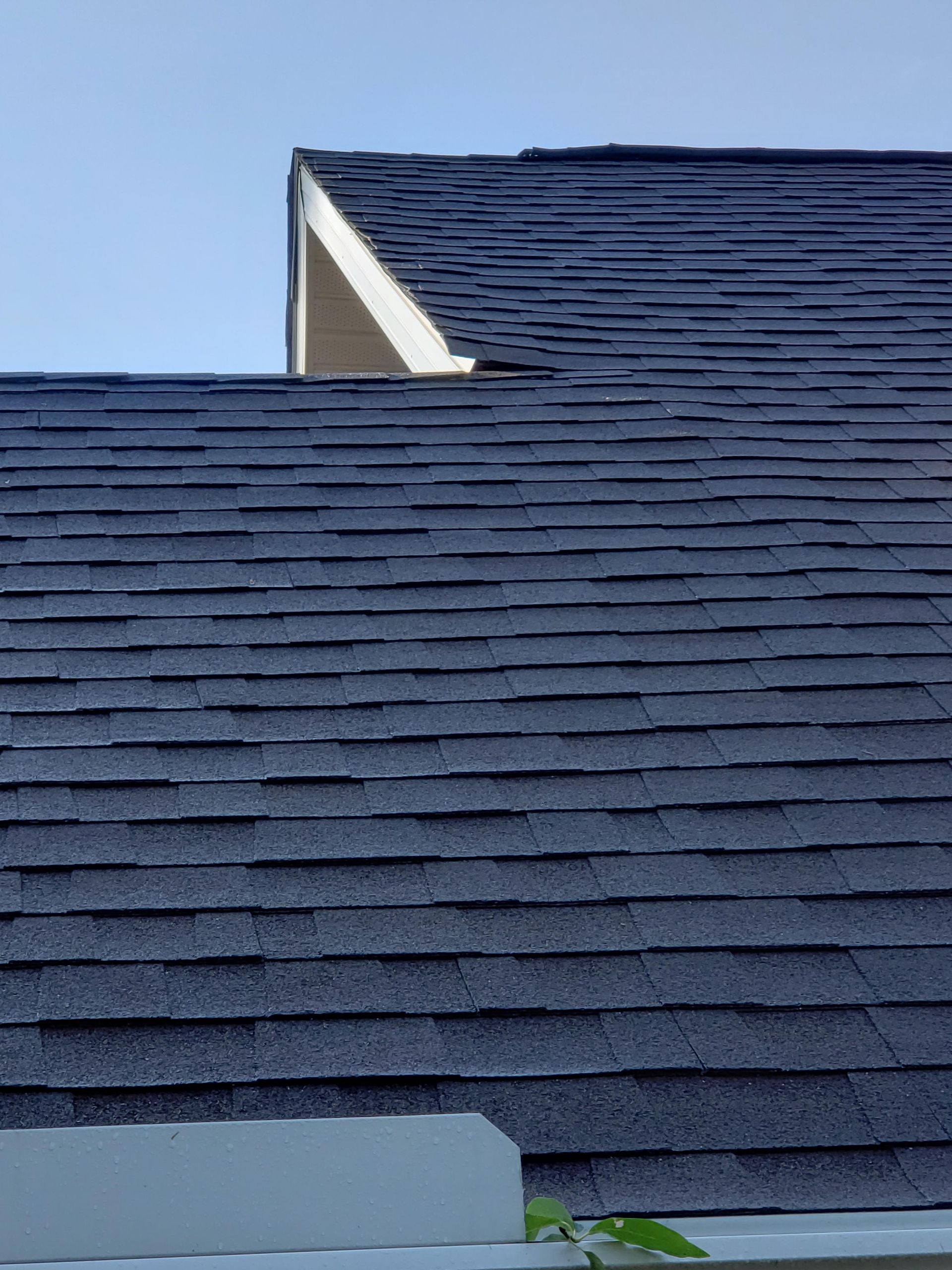
Crooked courses, exposed fasteners, rough cuts, reused flashing, poor valley work, and shortcuts around transitions can cause early leaks even when the material itself is new.
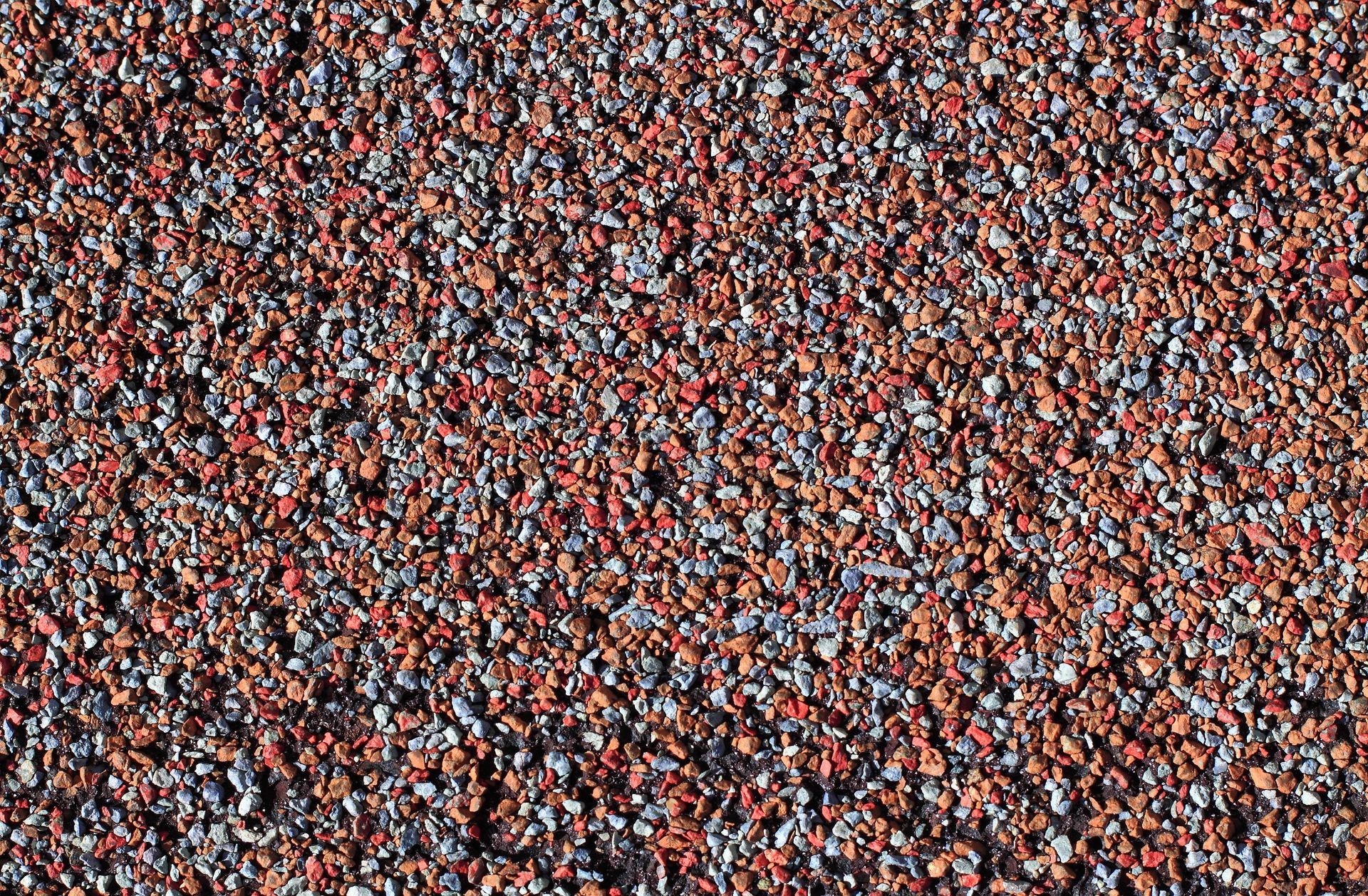
Loose granules, cracking, curled edges, brittle tabs, exposed mat, and several old repairs can show that a shingle roof is running out of reliable service life.
We base the recommendation on where the damage is, how old the roof is, what the surrounding material feels like, how often it has leaked, and whether a new repair can tie in cleanly. The goal is to solve the problem without selling more work than the roof needs.
The right material depends on roof pitch, structural condition, neighborhood character, sun exposure, wind, maintenance expectations, flashing complexity, and how long you plan to own the home.
Shingles are a practical choice for many Lake County homes because they offer familiar curb appeal, broad color options, straightforward repairs, and a lower initial cost than many metal or tile systems.
Metal is worth comparing when durability, reflective finishes, clean lines, and a longer ownership horizon matter more than the lowest initial price.
Tile suits many Florida home styles, but weight, underlayment, flashing, broken pieces, roof structure, and job access must be evaluated before repair or replacement.
You should know what we found, what we recommend, what is included, how your property will be protected, and what happens on installation day. We explain those details before work begins.
We review visible damage, leak history, roof age, flashing, penetrations, drainage, ventilation, storm exposure, and areas that need closer attention.
Photos help you see the condition from the ground and understand why a repair or replacement is being discussed.
We weigh a focused repair against full replacement using roof age, damage extent, material condition, and likely remaining service life.
We review material, decking, underlayment, flashing, ventilation, roof edges, permits, cleanup, schedule, and available warranty options.
We protect the property, complete the agreed scope, remove debris, check key details, and walk you through the finished roof system.
Call when you notice a ceiling spot, missing material, lifted shingles, storm debris, damaged flashing, granules in the gutters, or a section of roof that suddenly looks different.
Revildor schedules residential roofing work throughout Lake County based on the address and project scope. Our service area includes waterfront neighborhoods, growing South Lake subdivisions, established in town homes, retirement communities, manufactured homes, and rural properties.
Newer neighborhoods, rolling terrain, varied rooflines, and open areas that can take direct wind and sun.
Established neighborhoods near the Harris Chain, mature tree cover, historic homes, and a broad mix of shingle, metal, and tile roofs.
Retirement communities, older homes, rural edges, manufactured housing, tree exposure, and roofs with several generations of repairs.
Open acreage, long driveways, mature trees, lake exposure, and properties that require careful access and material staging.

Revildor is family owned and operated. Our team combines installation experience with property evaluation, storm documentation, and straightforward communication, so you know what we see and why it matters.
Learn what can be repaired, how leaks are traced, and when flashing, missing shingles, or isolated storm damage can be corrected without replacing the roof.
See the signs that age, recurring leaks, worn underlayment, broad material damage, or weak decking may point to a full replacement.
Compare architectural shingle options, ventilation, underlayment, flashing, appearance, and the details that matter in Florida weather.
Review standing seam and exposed fastener systems, expected maintenance, flashing needs, heat performance, and long term ownership goals.
Check recent weather alerts and roof stressing conditions before arranging a physical inspection of the property.
Find practical answers about pricing, schedules, materials, repairs, replacements, permits, inspections, and storm related documentation.
We answer the practical questions first, including cost, timing, permits, material choices, storm concerns, and what changes for lakefront or heavily shaded properties.
We serve homeowners across Lake County, including Clermont, Minneola, Groveland, Mascotte, Montverde, Mount Dora, Tavares, Eustis, Leesburg, Fruitland Park, Lady Lake, Umatilla, Astatula, Howey-in-the-Hills, and nearby unincorporated communities. Call us with the address and a brief description of the roof concern, and we will confirm scheduling and service availability.
Yes. We look at the damaged area, the condition of nearby material, roof age, past leaks, decking, underlayment, flashing, and how well a new repair can tie into the existing system. We recommend replacement when a repair is unlikely to last or would leave a broader failure unaddressed.
Architectural shingles suit many homes and offer broad style choices at a practical starting cost. Metal may be a better fit when you value long service life, reflective finishes, and a premium appearance, while tile requires added attention to weight, underlayment, and structure. We compare the options against your roof shape, budget, maintenance expectations, and ownership plans.
Call when you see missing material, lifted edges, debris impact, damaged flashing, loose ridge caps, or a sudden change in the roof. Wind damage can create an opening before water reaches the interior, and an inspection can separate normal wear from a condition that needs prompt attention.
Pricing depends on roof size, height, pitch, access, material, removal, decking repairs, underlayment, flashing, ventilation, permits, disposal, and the number of valleys and penetrations. We inspect first, then provide a scope based on your roof rather than guessing from square footage alone.
A small repair may be completed in one visit, while a full replacement can take several working days depending on roof size, material, weather, permit timing, and hidden decking repairs. We review the expected schedule before work starts and keep you updated if rain or unexpected conditions change it.
Permit needs depend on the scope and whether the property is inside a city or in unincorporated Lake County. We identify the applicable jurisdiction, explain what the project requires, and make permit responsibility clear in the written scope before work begins.
We can photograph and describe visible roofing conditions, including missing material, lifted areas, flashing damage, debris impact, and active leaks. That documentation helps you understand the repair scope, but coverage decisions remain with your insurer and any other professionals involved in the claim.
Tell us what you are seeing, whether it is a ceiling stain, aging shingles, storm damage, missing material, or a roof you are planning to replace. We will help you set up the right inspection and understand the next step.