Tile Roof Inspections
Evaluations for cracked, slipped, loose, missing, or displaced tiles, visible flashing concerns, storm exposure, active leaks, aging underlayment, and replacement planning.
Request Inspection →



Tile roofing can be a strong option for Central Florida homes when the structure, roof design, underlayment, flashing, fastening method, drainage, and installation details all support the system. Tile provides distinctive curb appeal and can deliver long-term performance, but the visible tile is only one part of the roof.
A tile roof can look impressive from the street while aging underlayment or failed flashing quietly creates a moisture problem beneath it. Roofs, in their usual dramatic fashion, prefer complexity over convenience.
Revildor evaluates the visible tile surface and the supporting roof system before recommending the next step for an Orlando or Central Florida property.
Evaluations for cracked, slipped, loose, missing, or displaced tiles, visible flashing concerns, storm exposure, active leaks, aging underlayment, and replacement planning.
Request Inspection →Targeted repairs for limited tile damage, localized leaks, flashing failures, roof penetrations, mortar or sealant concerns, and other repairable conditions.
Discuss Tile Repair →Replacement planning for widespread system deterioration, recurring leaks, aging underlayment, extensive storm damage, or a roof that no longer supports reliable repairs.
Review Replacement →Tile roofing guidance that considers structural capacity, roof slope, material profile, underlayment, fastening, flashing, ventilation, drainage, and Florida weather exposure.
Explore Tile Roofing →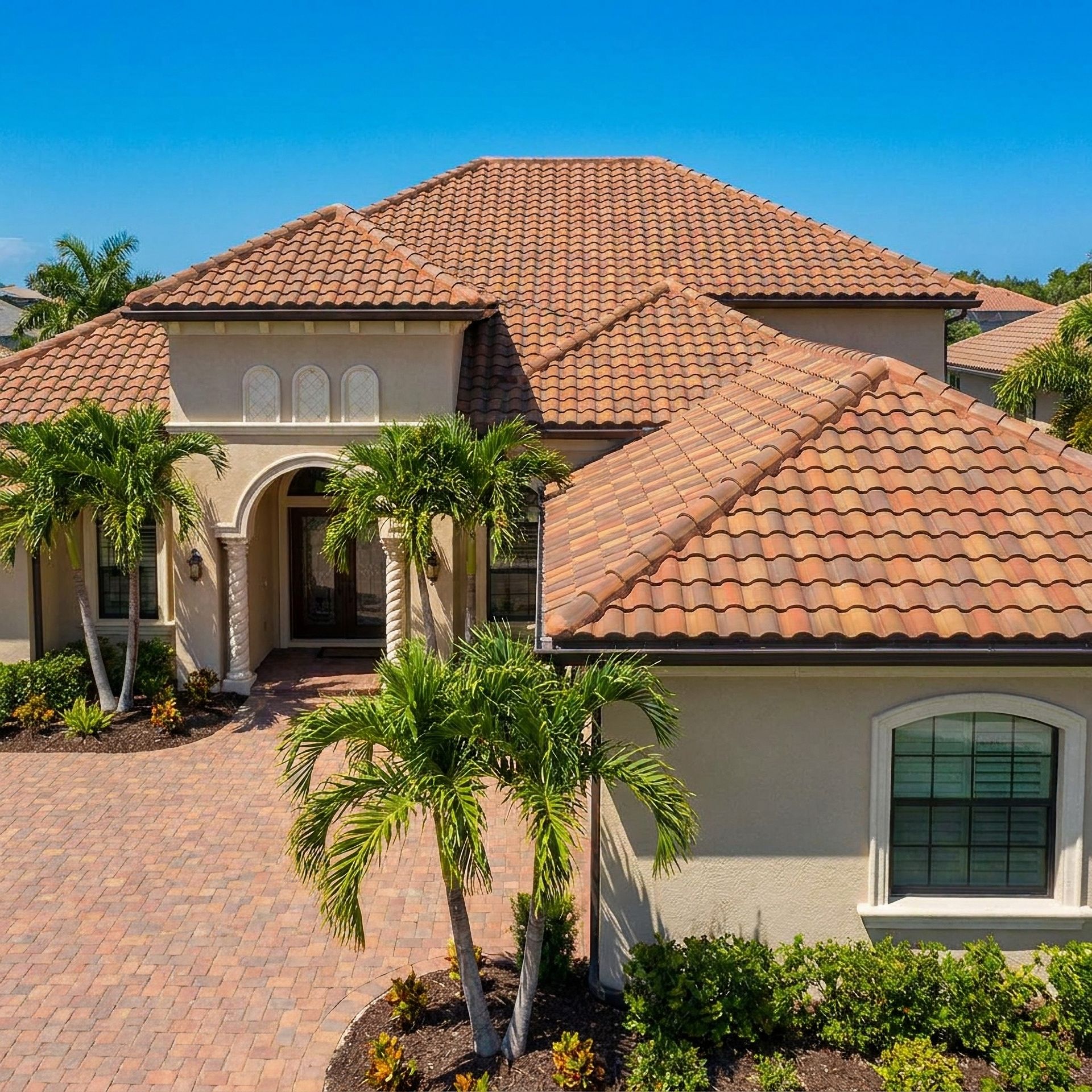
The tile surface helps shed water and provides the architectural finish, but underlayment, flashing, roof penetrations, fasteners, valleys, ventilation, decking, and drainage details do much of the hidden work.
Revildor evaluates the complete roof system so a broken tile is not automatically treated as the only problem and an aging roof is not judged solely by how attractive it still looks from the driveway.
Some tile roof problems are visible from the ground. Others develop beneath intact-looking tiles and require a closer evaluation of the complete system.
Impact, foot traffic, installation stress, age, and weather exposure can crack tiles and expose the layers beneath them.
Movement can expose fasteners, underlayment, or vulnerable transition areas and may point to fastening or storm-related concerns.
The underlayment can deteriorate even when many of the surface tiles still appear usable, creating a broader replacement consideration.
Walls, vents, skylights, chimneys, valleys, and other transitions require careful flashing because these are common water-entry points.
Wind, falling limbs, flying debris, and tropical weather can damage tiles, ridge components, flashing, and exposed roof details.
Repeated staining or moisture may indicate that previous surface repairs did not resolve the underlayment, flashing, or drainage source.
Repair may be appropriate when the damage is limited, the underlayment and surrounding roof system remain serviceable, matching replacement material is available, and the underlying source can be corrected reliably.
Replacement may provide the better long-term result when leaks are recurring, underlayment is broadly deteriorated, tiles are failing across multiple areas, flashing problems are widespread, or repeated repairs are becoming a maintenance program nobody asked for.
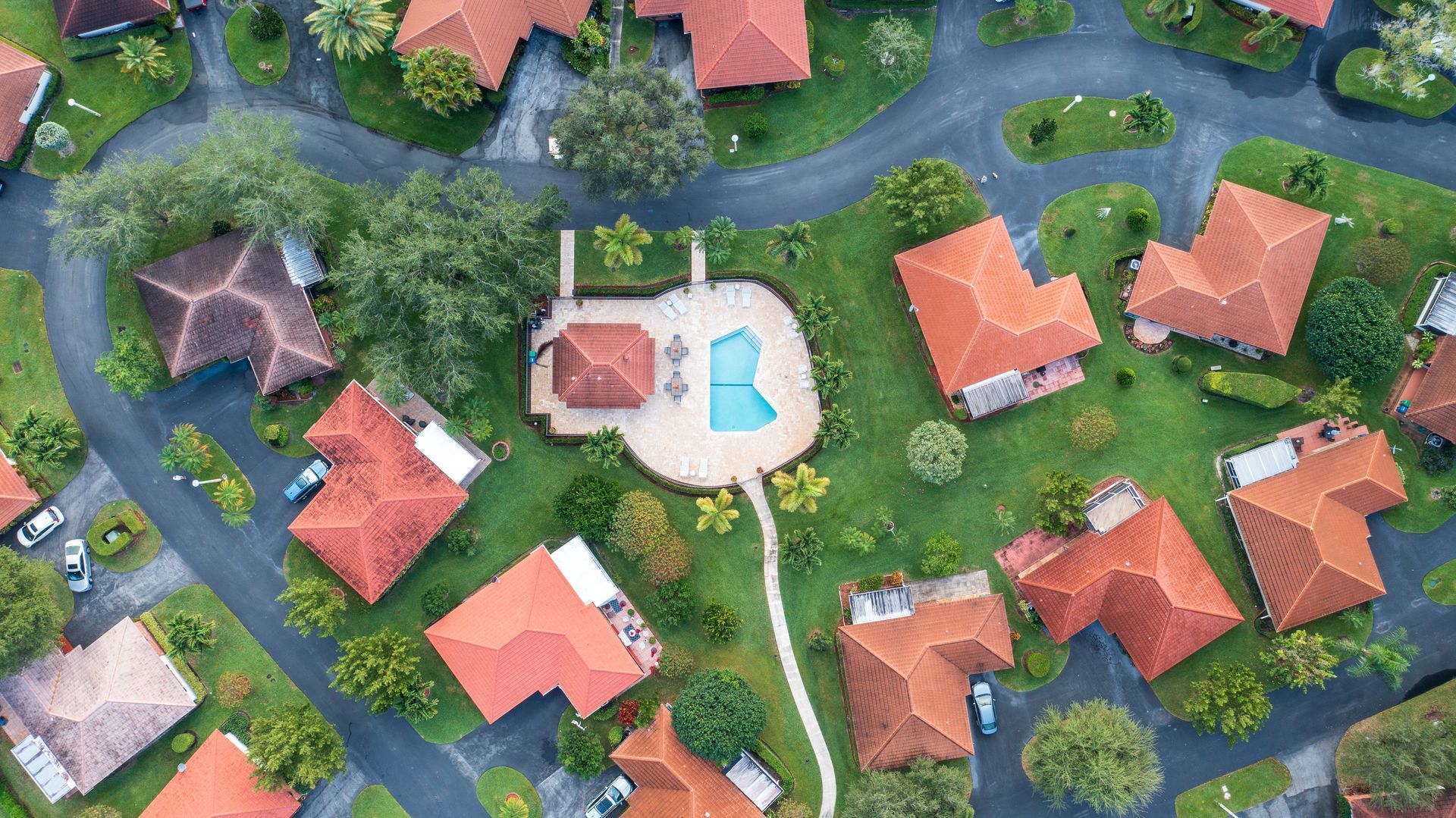
Tile roofing performance depends on far more than the visible field tiles. Each layer and transition must support drainage, attachment, ventilation, and moisture protection.
Tiles provide the visible weather-shedding surface and must remain aligned, intact, securely attached, and compatible with the roof design.
Underlayment provides critical secondary water protection beneath the tile and can become the deciding factor in repair-versus-replacement planning.
Flashing protects valleys, walls, penetrations, roof-to-wall transitions, and other places where water can enter the system.
The attachment method must support the selected tile system, roof configuration, substrate, and applicable Florida installation requirements.
The roof deck and supporting structure must be able to carry the system and provide a sound surface for underlayment, fastening, and repairs.
Heat, moisture, valleys, roof edges, gutters, and water flow all influence the long-term performance of the complete tile roof.
Tile can deliver a distinctive finished appearance, but reliable performance still depends on the less glamorous details hidden beneath the surface. Roofs remain stubbornly unimpressed by curb appeal alone.
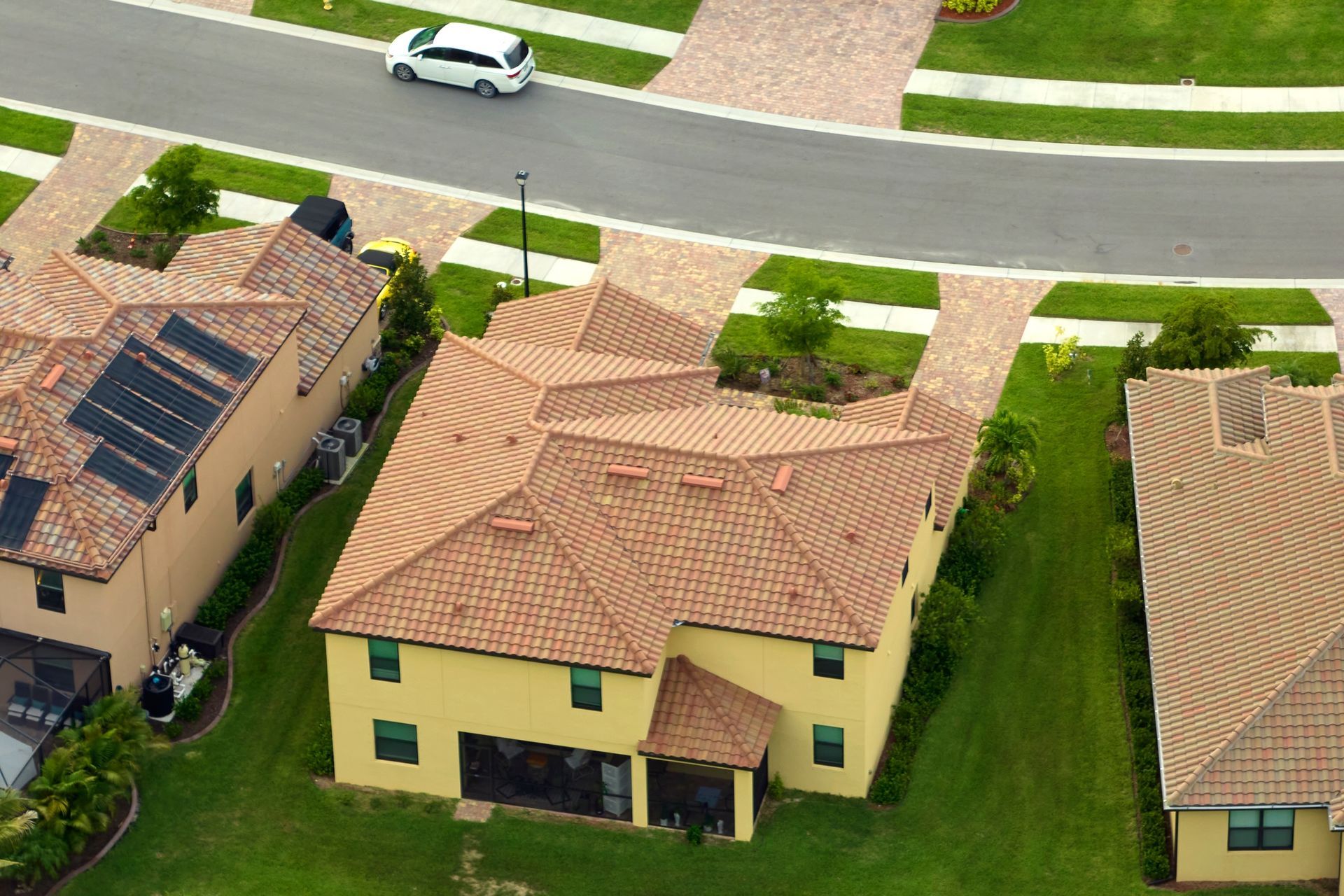
The right tile system depends on the home, roof slope, structure, architectural requirements, material availability, neighborhood standards, and long-term priorities.
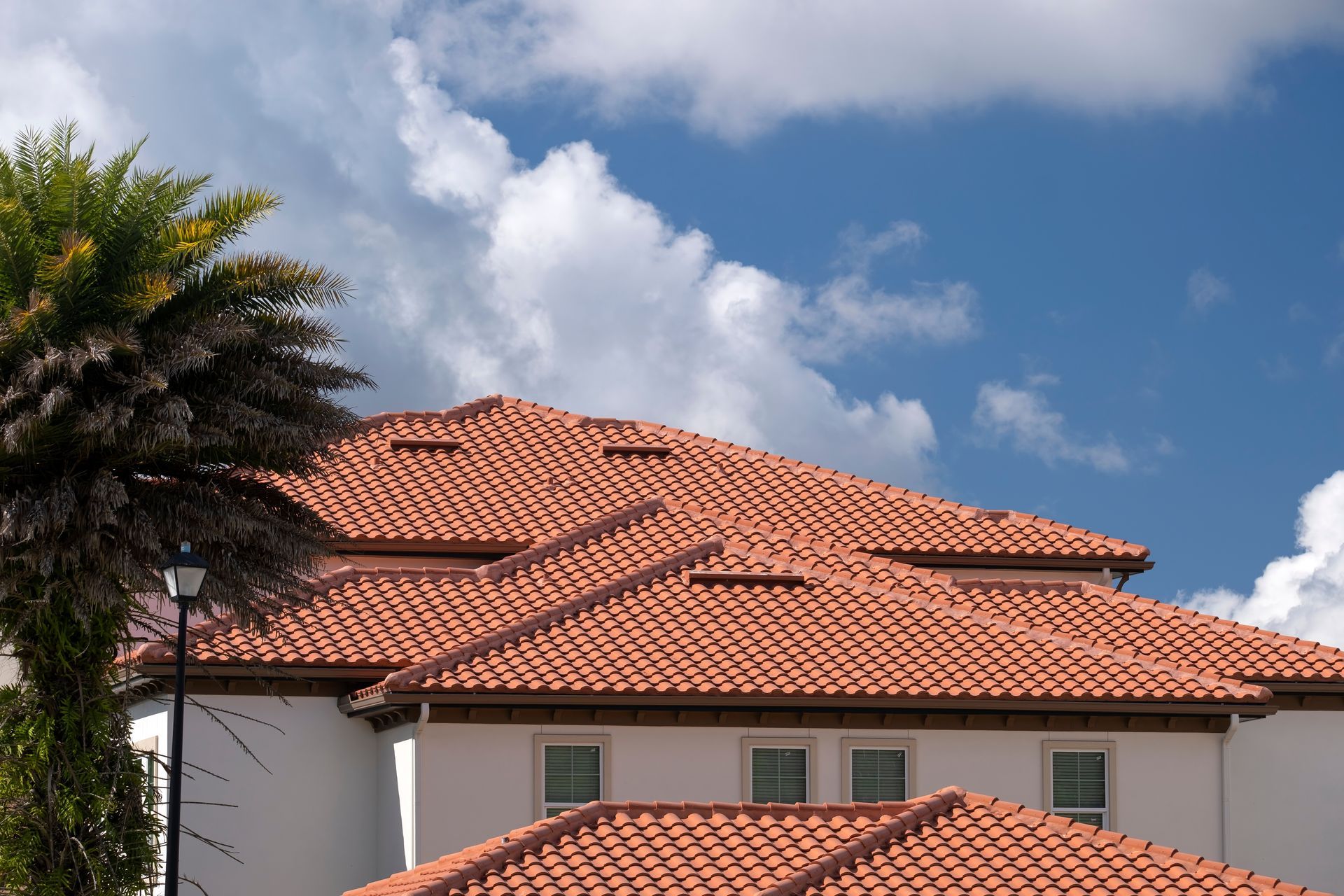
Fastening, underlayment, flashing, valleys, penetrations, drainage, ventilation, and storm exposure must be addressed as one connected roofing system.
Revildor keeps the process understandable so homeowners know what was found, what the tile roof needs, and why a particular repair or replacement recommendation makes sense.
We review tile condition, visible movement, flashing, penetrations, valleys, roof edges, drainage, leak history, and signs of underlayment or storm concerns.
Visible conditions are documented and the homeowner receives a clear explanation of repairable areas, broader system concerns, and remaining questions.
Scope, tile compatibility, underlayment, flashing, materials, property protection, scheduling, ventilation, drainage, and warranty considerations are reviewed.
The approved work is completed, the property is cleaned, visible workmanship is reviewed, and the homeowner is walked through the finished result.
Revildor combines roofing, construction, inspection, insurance-adjusting, property-appraisal, operations, and consumer-education experience when evaluating Central Florida roofing systems.
Revildor provides tile roof inspections, repair, replacement, and roofing guidance throughout Orlando and surrounding Central Florida communities.
Clear answers about tile damage, underlayment, inspections, repairs, replacement, maintenance, and selecting the right roofing solution.
The decision depends on the extent of broken or displaced tile, underlayment condition, leak history, flashing condition, previous repairs, storm exposure, material availability, and whether a targeted repair can correct the underlying source reliably.
Yes. Water can enter through aging underlayment, failed flashing, valleys, roof penetrations, transitions, fasteners, or concealed damage beneath tiles that still appear normal from the ground.
In some cases, individual tiles can be replaced when the surrounding system remains serviceable and compatible replacement material is available. The source of the break and the condition beneath the tile should still be evaluated.
Underlayment provides secondary water protection beneath the tile surface. Its age and condition can determine whether a limited repair is reasonable or whether broader removal and replacement should be considered.
Yes. Wind and debris can crack, loosen, lift, or displace tile and damage ridge, flashing, or penetration details without producing an immediate interior leak. Moisture entry may appear during a later weather event.
Homeowners should avoid walking on tile roofing. Tile can crack under improper foot placement, and roof access creates fall risks. A qualified roofing professional should evaluate the system using appropriate access and safety procedures.
Yes. Revildor evaluates tile roof condition, visible damage, leaks, flashing, underlayment concerns, storm exposure, repair needs, and replacement considerations throughout Orlando and Central Florida.
Contact Revildor at 321-332-3392 or submit the website contact form. The team can review the property, tile roof condition, active concerns, and the repair or replacement options that may fit the home.
Contact Revildor to discuss cracked or displaced tiles, roof leaks, storm concerns, underlayment age, tile roof repair, replacement planning, or a new tile roofing system for your Central Florida property.