Post-Storm Roof Inspection
Evaluation of visible roofing materials, flashing, penetrations, ridges, valleys, edges, drainage, and areas exposed to wind, rain, hail, or debris.
Request Inspection →



Start with safety. Do not climb onto a wet, damaged, or wind-exposed roof. Check the interior for active water entry, move belongings away from leaks when it is safe, document visible conditions from the ground, and contact a licensed roofing contractor for an inspection.
Storm damage can be obvious, or it can remain hidden until the next heavy rain. A prompt inspection helps identify emergency protection needs, visible roof damage, and whether repair or replacement should be considered.
Revildor helps Central Florida property owners understand visible roof conditions after wind, hail, heavy rain, debris, tropical storms, and hurricane exposure.
Evaluation of visible roofing materials, flashing, penetrations, ridges, valleys, edges, drainage, and areas exposed to wind, rain, hail, or debris.
Request Inspection →Temporary measures may be considered when active water entry or exposed roofing requires immediate protection before permanent work can be completed.
Request Help →Targeted correction for repairable wind damage, missing or lifted materials, flashing failures, impact damage, and storm-created leak points.
Explore Roof Repair →Replacement planning when damage is widespread, the roof is already aging, materials are no longer reliable, or repair cannot restore dependable performance.
Explore Replacement →Photos and condition notes can help the property owner understand what was observed after the storm and discuss next steps with relevant parties.
Request Documentation →Storms can affect roofing materials, flashing, roof edges, gutters, downspouts, fascia, and drainage components that work together to protect the property.
Explore Gutters →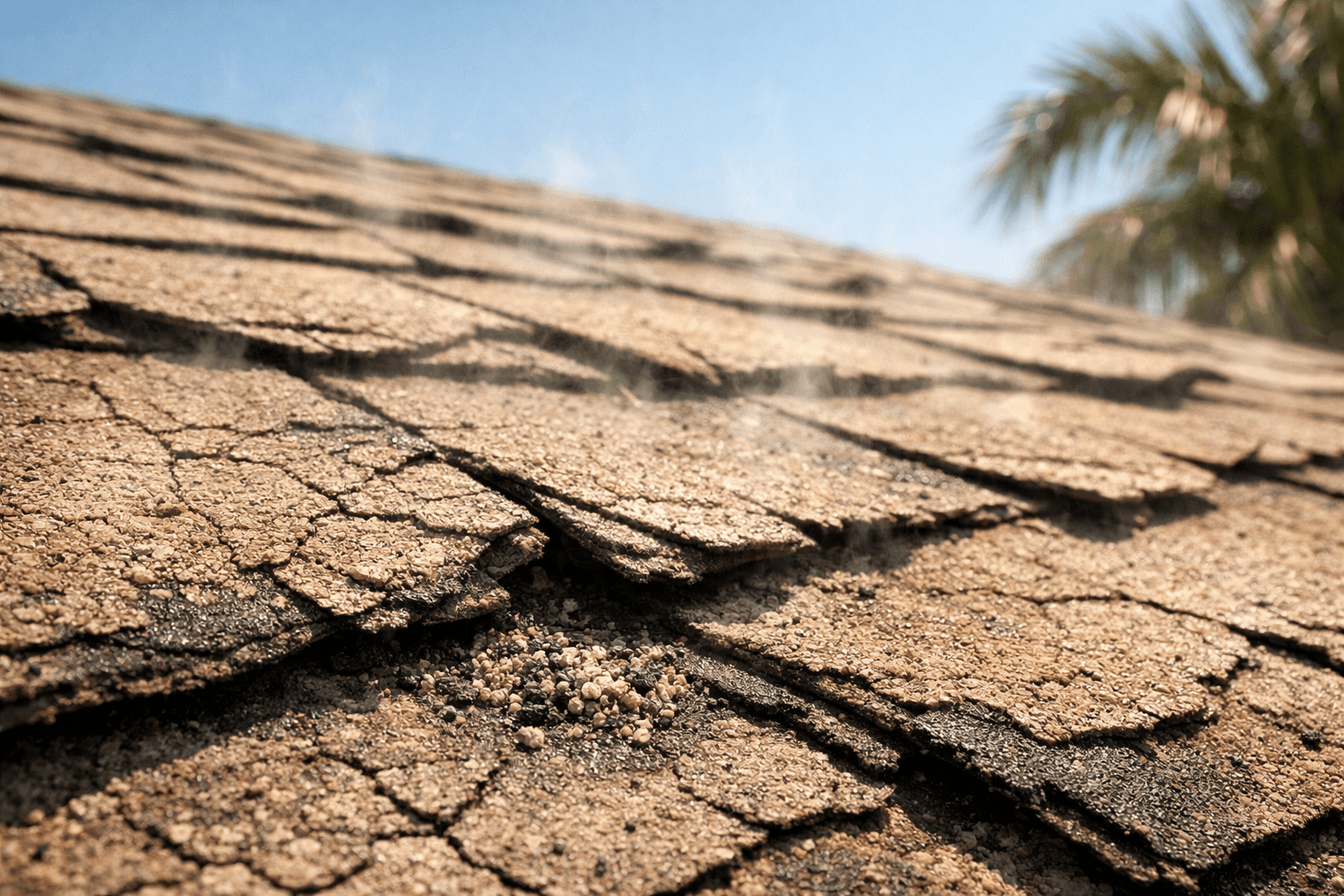
Wind can crease, lift, loosen, or remove roofing materials. Hail and debris can damage shingles, metal, tile, vents, flashing, and roof accessories. Openings may remain small enough that interior water does not appear immediately.
Revildor evaluates visible conditions after the weather clears so homeowners can understand whether the roof needs temporary protection, targeted repair, monitoring, or replacement planning.
Different weather events create different failure patterns. The roof should be evaluated as a complete system rather than reduced to one missing shingle.
Wind can lift edges, crease shingles, loosen fasteners, damage ridge materials, separate flashing, and expose vulnerable roof details.
Hail or debris can bruise shingles, crack tile, dent metal and vents, damage accessories, and create punctures or weakened surfaces.
Wind-driven rain can enter through flashing, valleys, penetrations, damaged materials, previous repairs, and roof-to-wall transitions.
Branches and airborne debris can break roofing materials, puncture the system, damage gutters, and create concentrated impact points.
Long-duration wind and rain can expose several weak areas across the roof, drainage system, walls, and exterior components.
Water may travel through decking, insulation, framing, walls, or ceiling cavities before a stain appears in the occupied space.
The first steps after a storm should reduce risk, document visible conditions, and create a clear path toward permanent work.
Do not climb onto the roof after severe weather. Loose materials, wet surfaces, electrical hazards, debris, and structural damage can make access dangerous.
When it is safe, move furniture and valuables, contain dripping water, and avoid ceiling areas that appear swollen or unstable.
Take ground-level photos of missing materials, debris, stains, water entry, damaged gutters, and other visible conditions without entering unsafe areas.
A licensed contractor can review visible roofing conditions and identify emergency protection, repair, or replacement considerations.
Emergency covering or temporary leak protection may be appropriate when roofing is exposed and permanent work cannot begin immediately.
Materials, repairability, replacement needs, timing, property protection, warranties, and expectations should be clear before permanent work begins.
Revildor separates immediate protection from the permanent roofing decision so homeowners understand what happens next.
Visible roof, flashing, penetration, drainage, edge, gutter, and interior concerns are reviewed after conditions are safe.
Relevant visible conditions may be photographed and explained so the property owner understands what was observed.
Temporary protection may be considered when active leaks or exposed roofing require immediate stabilization.
The permanent scope is based on damage extent, roof age, materials, repairability, and expected long-term performance.
Revildor can inspect the roof, document visible conditions, explain repair or replacement considerations, and prepare a roofing scope or estimate. The company does not promise claim approval, interpret policy coverage, or make coverage decisions for an insurance carrier.
Property owners should review policy questions, filing requirements, deadlines, deductibles, coverage, and claim decisions directly with their licensed insurance professional or carrier.
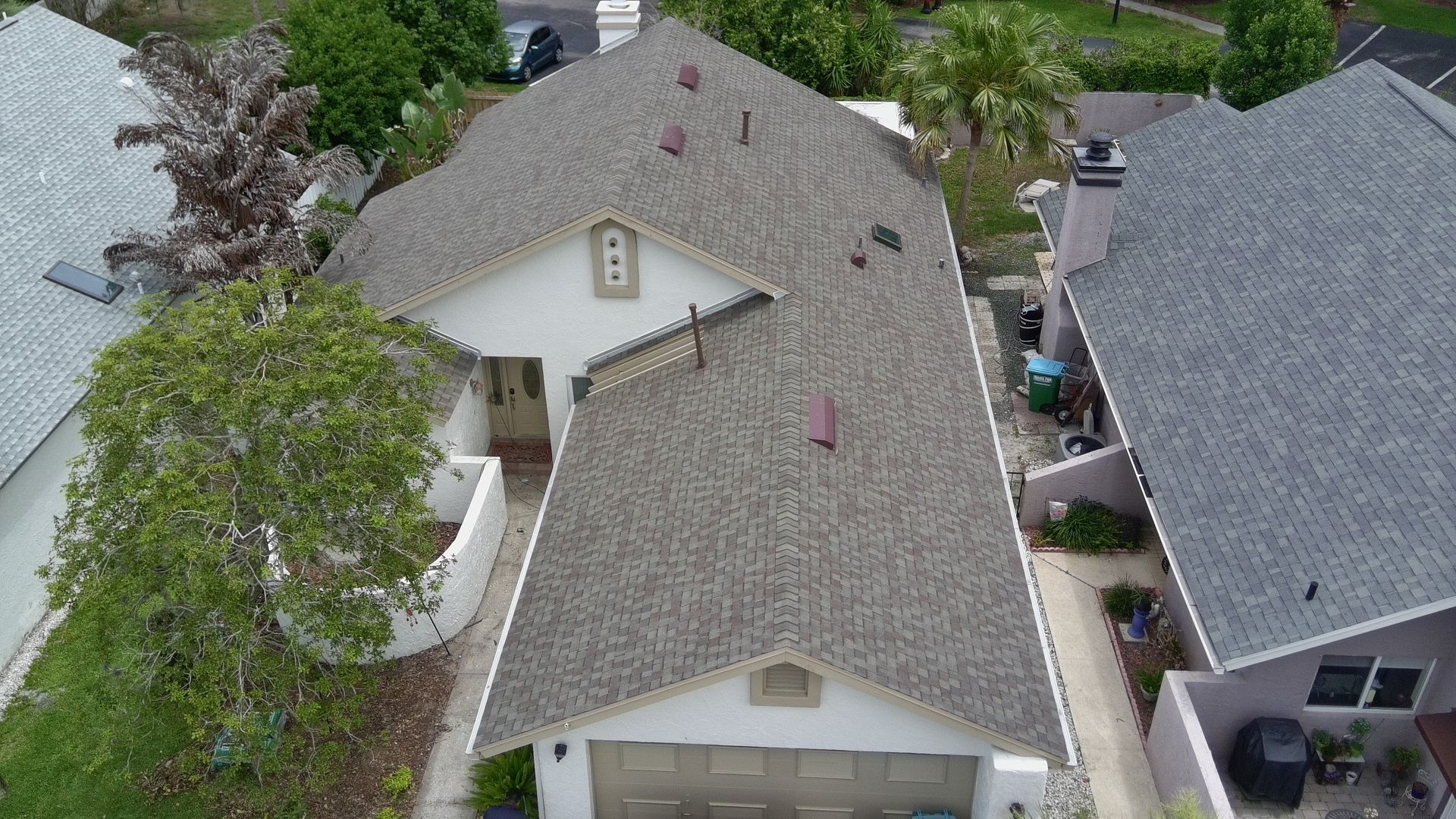
Revildor combines roofing, construction, inspection, insurance-adjusting, property-appraisal, and Central Florida storm experience when evaluating damaged roofs.
Revildor provides post-storm inspections, emergency protection guidance, repair, replacement planning, and visible-condition documentation throughout Orlando and nearby communities.
Clear answers about inspections, active leaks, hidden damage, emergency protection, repair, replacement, and insurance boundaries.
Stay out of unsafe areas, protect belongings when it is safe, contain dripping water, avoid swollen ceilings, document visible conditions, and contact a licensed roofing contractor for an inspection.
Yes. Wind, hail, debris, and heavy rain can damage roofing materials, flashing, vents, edges, and penetrations before water becomes visible inside.
No. Limited damage may be repairable when the roof still has useful service life and the surrounding system remains reliable. Widespread damage, age, recurring leaks, or material failure may make replacement more reasonable.
Temporary protection may be considered when active water entry or exposed roofing requires immediate stabilization. Availability and the appropriate method depend on safety, weather, access, and the roof condition.
Yes. Revildor can photograph and explain visible roof conditions and prepare a roofing estimate or scope. Documentation does not guarantee insurance coverage.
Revildor can provide roofing documentation and estimates, but claim filing, policy interpretation, coverage, and approval decisions remain between the property owner and insurance carrier or licensed insurance professional.
Schedule as soon as practical after conditions are safe, especially when materials are missing, leaks are active, debris struck the roof, gutters are damaged, or the property experienced strong wind or hail.
Call Revildor at 321-332-3392 or submit the website contact form with the property address, storm date if known, and a description of visible damage or leaks.
Contact Revildor for post-storm inspection, visible-condition documentation, emergency protection guidance, roof repair, or replacement planning.