Roofing for I-4 corridor homes, lake communities, acreage, and managed properties

Roofing Contractor North Polk County, FL

North Polk County shifts quickly from new subdivisions around Davenport and the I-4/US 27 corridor to older homes near Lake Alfred and Auburndale, then to open acreage around Polk City. Revildor handles roof repair, replacement, asphalt shingle, metal roofing, and storm inspections with roof shape, wind exposure, access, drainage, and property use addressed before the scope is written.

A short-term rental behind a gate, a lakeside house with mature trees, and a rural home reached by a long drive do not run the same on production day. We check deck firmness, valleys, sidewalls, pipe boots, attic airflow, eaves, gutters, prior patches, and staging room before recommending work.

Florida licenses CCC1328368 and CGC1508771 Central Florida operating history since 2007 CertainTeed ShingleMaster™ Pro credential
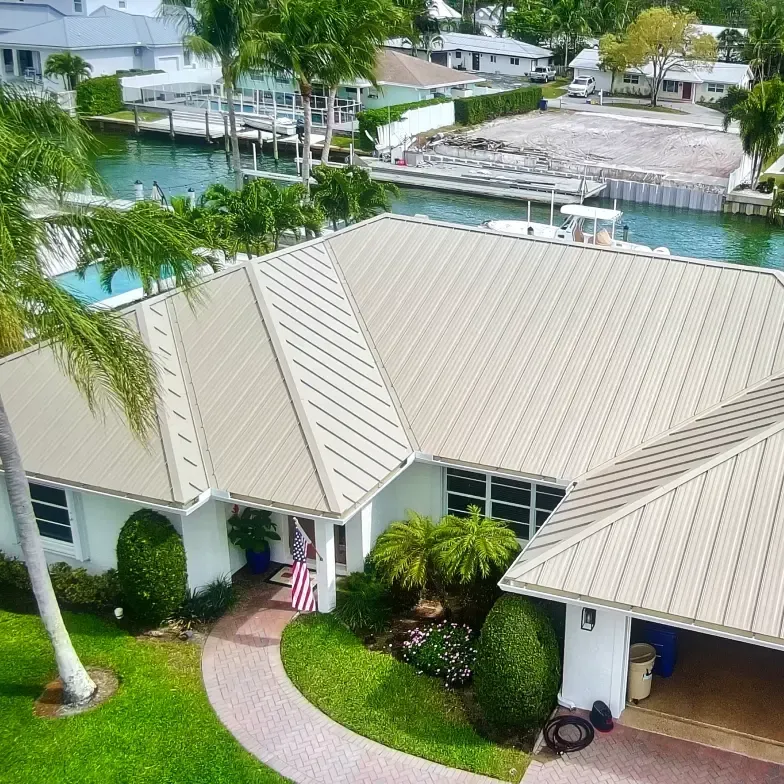
Cream metal roof on a Florida waterfront residence used as a North Polk roofing example
Roofing planned for growth-corridor conditions Open exposure, long roof runs, HOA access, rural driveways, valley drainage, and deck condition are reviewed before the scope is set.
Start with a scope tied to the actual property A roof near I-4, a lake-town bungalow, and an acreage home should not receive the same boilerplate recommendation. Revildor pairs verifiable Florida licenses and manufacturer credentials with an inspection that accounts for roof design, access, use, and the permit authority for the exact address.
Revildor roofing company logo
Better Business Bureau Accredited Business A plus rating badge
CertainTeed ShingleMaster Pro credential badge
Florida Roofing and Sheet Metal Contractors Association logo
Florida Department of Business and Professional Regulation logo
Begin with the condition you can describe

Start With The Roof Change You Can See

Select the condition that is closest to what you saw. The guidance can help you organize the call, but the roof still needs an on-site review before anyone can say whether a repair will hold.

Choose The Symptom Closest To What You Noticed

No contact form is required to read the next-step guidance.

Follow the roof from ridge to discharge Inspect first

We begin at the highest likely entry point and follow water toward the eaves, checking covering, flashing, underlayment, sheathing, attic signs, valley exits, and drainage instead of treating the ceiling stain as the source.

Schedule the North Polk inspection This selector is general guidance for property owners. It is not a damage finding, engineering report, code determination, or insurance decision.
A direct answer for North Polk homeowners

Which Roofing Contractor Serves North Polk County, Florida?

Revildor provides residential roofing services across North Polk County, including roof repair, replacement, asphalt shingle systems, metal roofing, and storm-related inspections. The company operates under Florida licenses CCC1328368 and CGC1508771 and has served Central Florida since 2007. Inspections are planned around the property’s exact address, roof type, occupancy, access restrictions, and permitting jurisdiction.

North Polk roofs can look similar from the street while hiding very different conditions. A newer production home may have broad planes and tight valley intersections; an older lake-town house may combine additions, reused flashing, and several generations of repair.

Residential roofing services shaped around the property

Match The Repair To The Leak Path, Not Just The Ceiling Spot

Water entering beside a Davenport garage may travel under a long valley before appearing indoors, while a leak on a Polk City property may begin at a windward edge or an older roof-to-wall joint. We trace the route and then decide how much surrounding material can still be trusted.

Targeted Leak And Damage Repair

Targeted repairs address a defined failure such as a split boot, loose ridge cap, damaged shingle group, open flashing joint, or short valley defect. The nearby deck and roofing must be solid enough to receive new work without creating another weak seam.

See the roof repair approach

Full Roof Replacement Planning

Replacement becomes the practical route when brittle material, repeated leaks, widespread fastening loss, tired underlayment, or soft decking shows that the problem is no longer confined to one spot.

Review full replacement planning

Architectural Shingle Systems

Architectural shingle work is planned around starter strips, nail placement, valley layout, attic ventilation, flashing, and exposure along open subdivisions. Color and profile also need to fit the home, neighborhood rules, and the owner’s maintenance expectations.

Study architectural shingle details

Residential Metal Roof Options

A metal roof can make sense for a long-hold residence or acreage property, but panel type, clip or fastener design, roof penetrations, thermal movement, finish, edge detailing, and access for future service all need to be weighed first.

Compare residential metal systems

Wind And Rain Roof Inspections

After a strong thunderstorm or tropical system, we look for lifted tabs, displaced ridge pieces, bent metal, exposed underlayment, debris strikes, loosened vents, and changes at eaves and rakes. Weather damage is separated from wear that was already present.

Check post-storm inspection steps

Complete Roof Condition Review

A complete condition review ties the reported symptom to roof age, every connected plane, attic evidence, drainage, repair history, ventilation, deck strength, and the practical limits of the site.

Schedule a complete roof review
Roof pressures found across northern Polk County

New Subdivisions, Open Tracts, Lake Breezes, And Summer Downpours Test Roof Edges And Valleys

North Polk’s mix of cleared development, lake country, highway-corridor subdivisions, and rural tracts exposes roofs in different ways. Open lots can leave eaves and ridges directly in the wind, while broad modern rooflines can send a large volume of rain into only a few valleys.

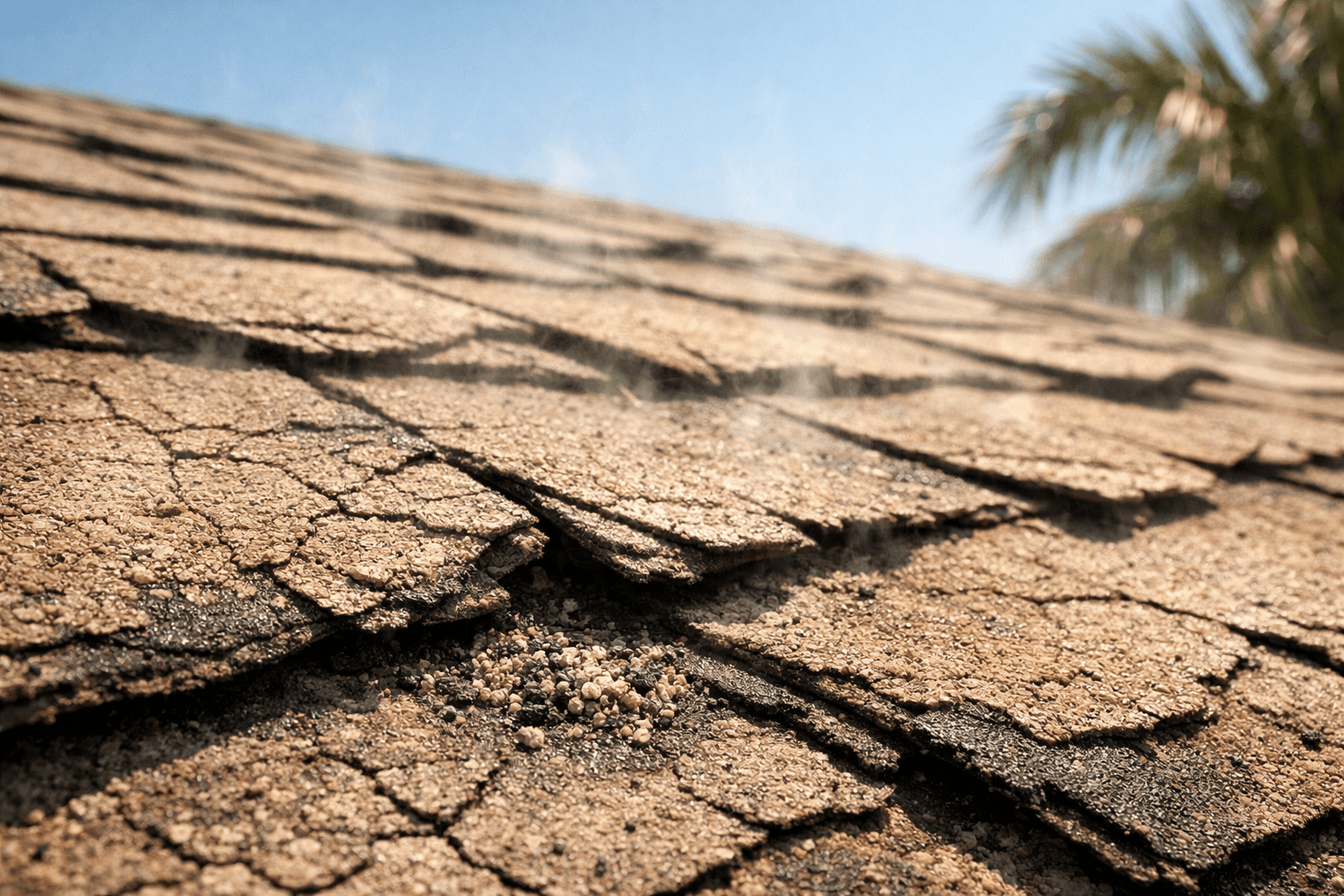
Aged asphalt shingles showing heat and ultraviolet wear on a Florida roof Full-sun roof planes

Broad New Roof Planes Hold Afternoon Heat

Newer homes often carry wide, uninterrupted shingle fields that take full afternoon sun. Balanced soffit intake and properly placed exhaust help the attic release heat rather than holding it beneath the roof deck.

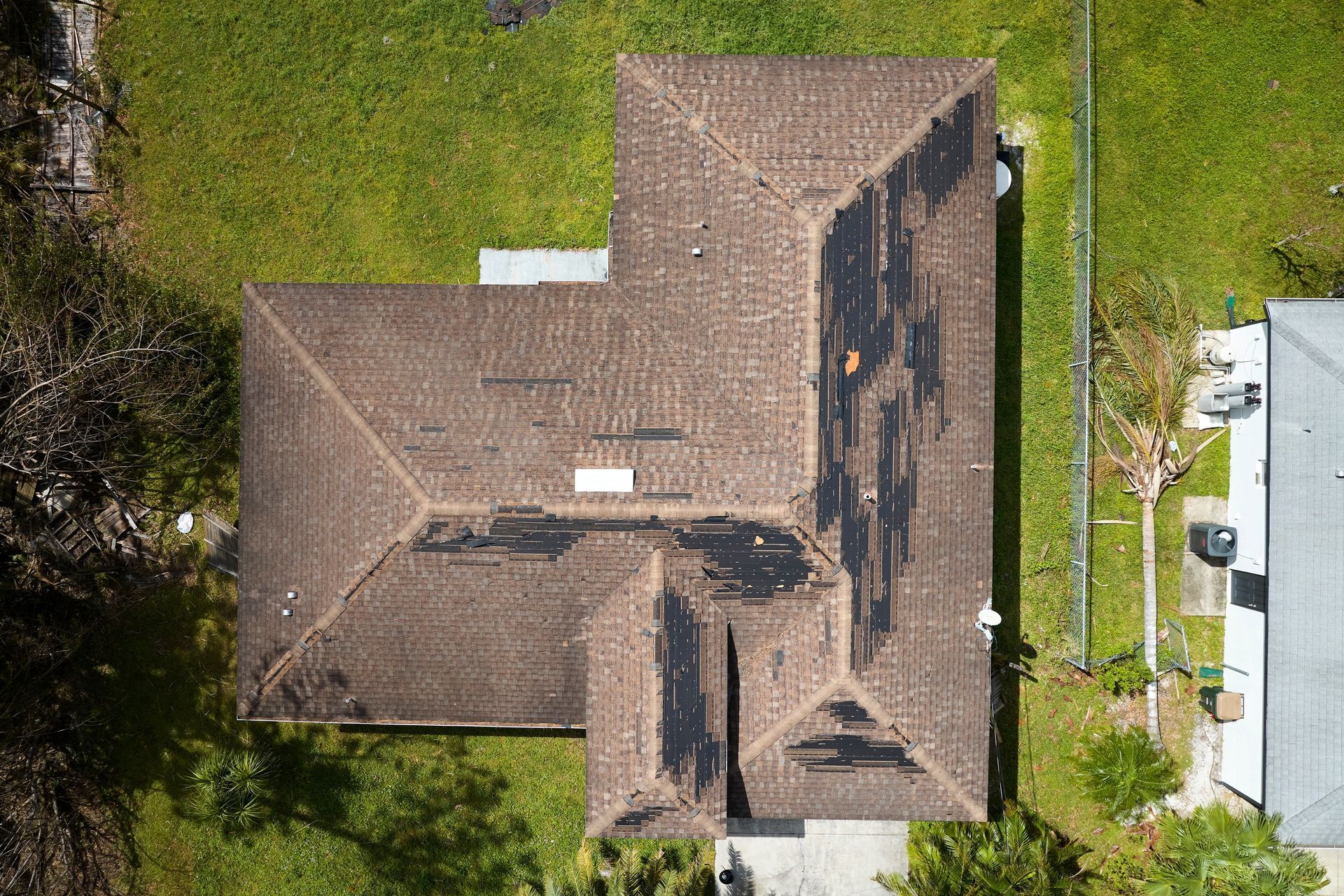
Wind and storm damage across an asphalt shingle roof Open-lot wind

Cleared Growth Corridors Leave Perimeters Exposed

Along exposed stretches near US 27, I-4, and newer cleared communities, gusts can reach perimeter shingles before nearby trees or buildings break the wind. Starter, drip edge, ridge material, and rake fastening deserve close attention.

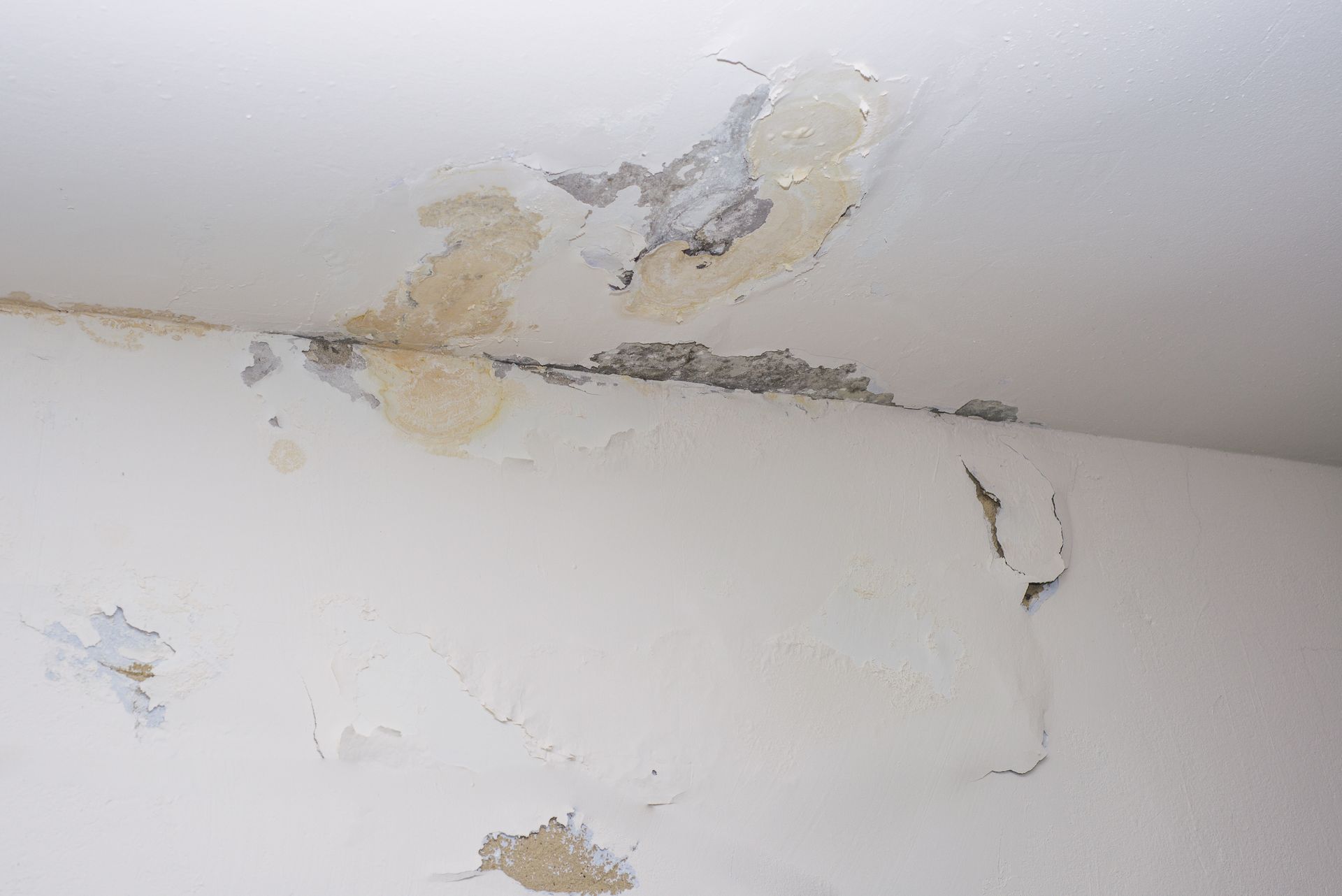
Interior ceiling and wall staining below a roof leak Concentrated valley flow

Multi-Level Homes Concentrate Water At Valleys

Large subdivision and vacation-style homes may combine garages, porches, hips, and secondary roof levels. When several planes empty into one valley or wall return, a small installation defect can become a heavy-rain leak.

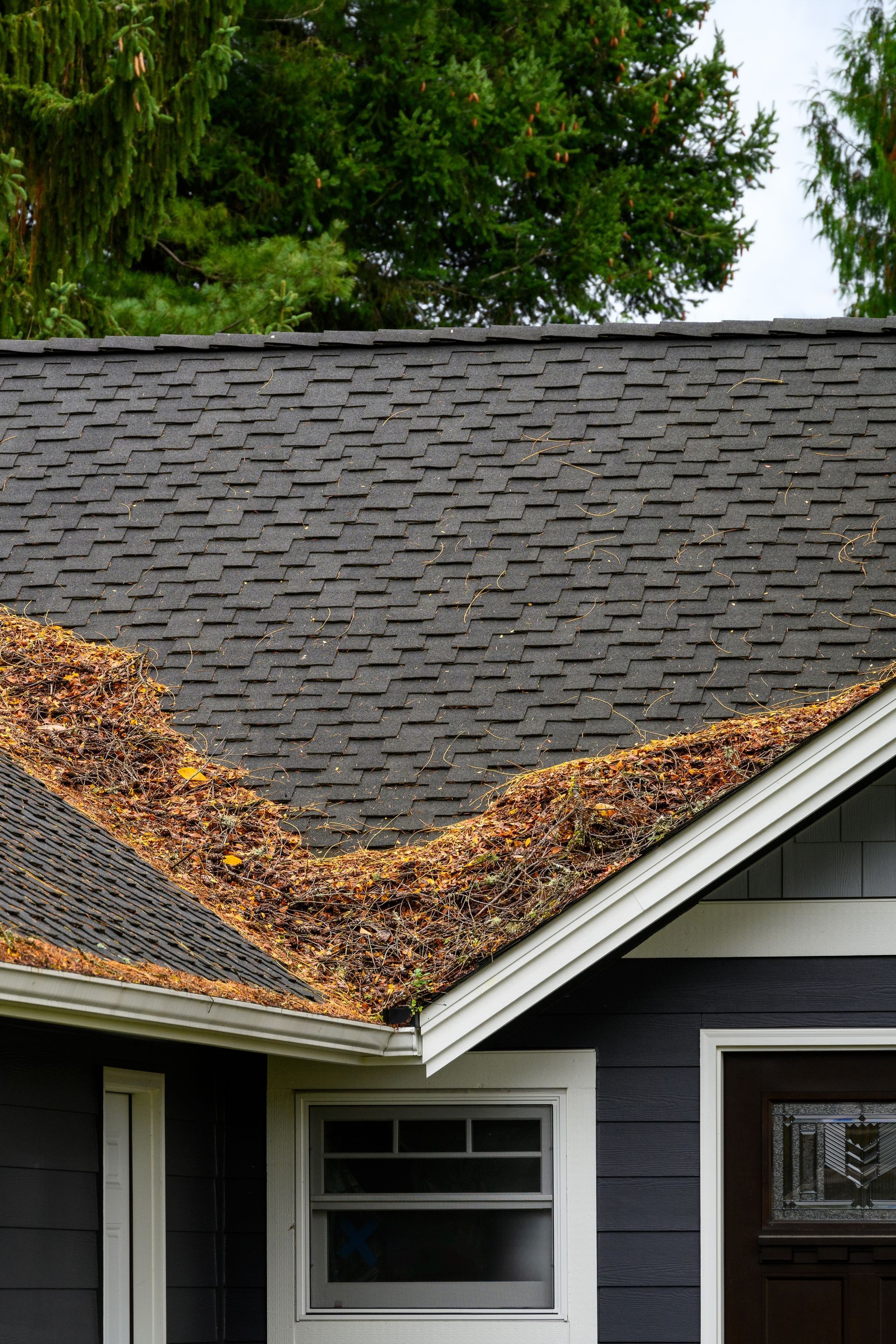
Leaves and branches collected in a residential roof valley Managed occupancy

Rental Occupancy Can Hide Early Roof Changes

A managed home can be occupied often without anyone checking the attic, soffits, or roof after each storm. Photo documentation gives the owner a useful record instead of relying on a guest’s description of a ceiling mark.

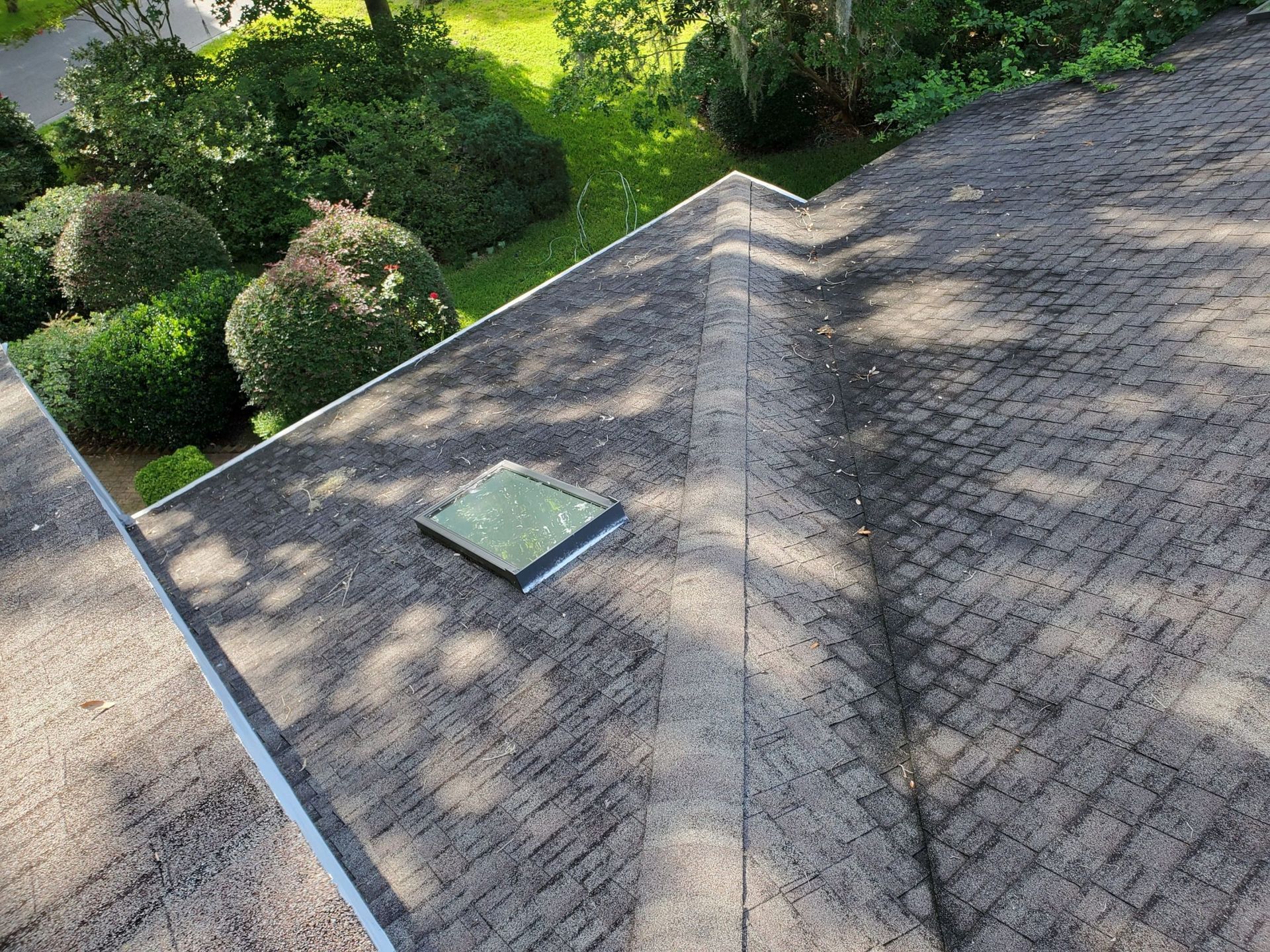
Weathered asphalt shingles with visible age-related wear Mixed construction history

Older Lake-Town Homes Often Have Mixed Roof History

Older properties around Lake Alfred, Auburndale, and established parts of Haines City may have additions, re-roofed sections, or accessories installed at different times. Each transition has to be evaluated as part of one water-shedding system.

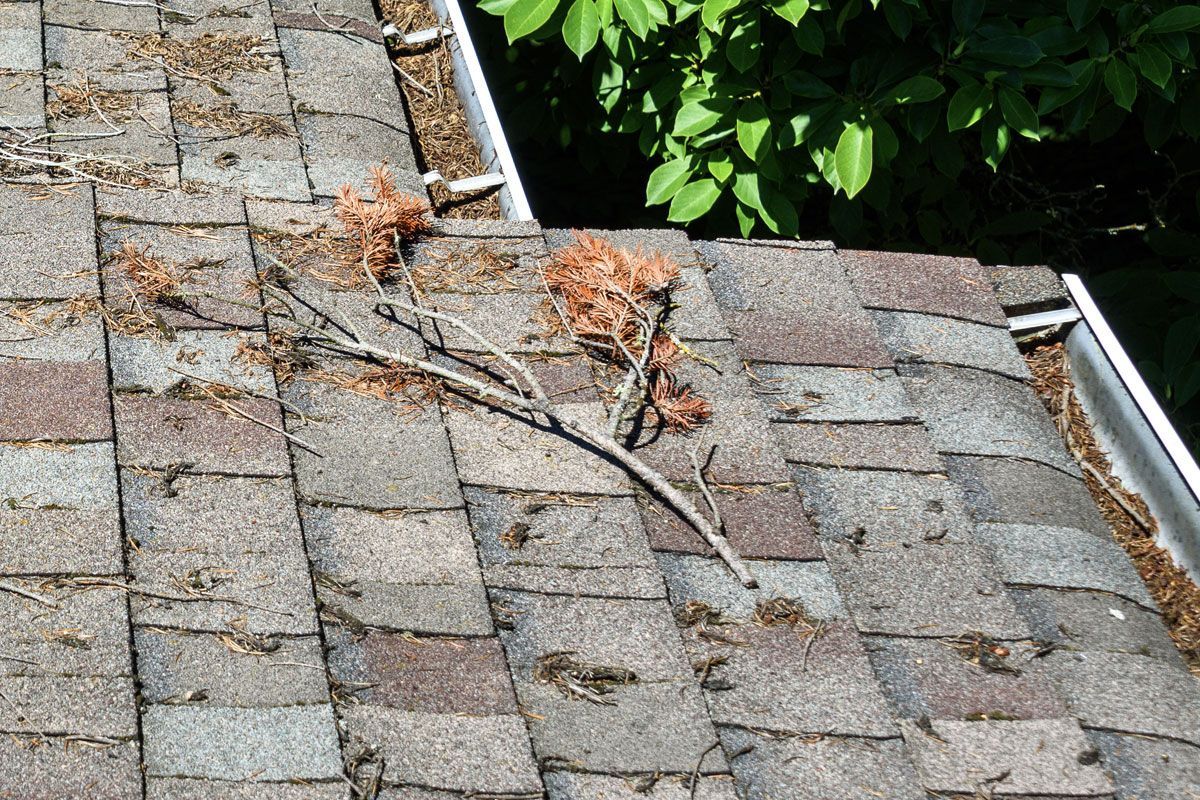
Debris resting on a residential roof after severe weather Runoff control

Gutters And Valley Outlets Control Where Downpours Go

Roof runoff must reach clear gutters, downspouts, and discharge areas without backing up at porch walls or washing across an entry. Leaves, pine needles, low gutter pitch, and crowded valley outlets can change where water goes during a downpour.

Different communities require different job plans

A Davenport Rental, A Lake Alfred Bungalow, And A Polk City Acreage Home Call For Different Roof Planning

North Polk is not one uniform housing market. The I-4 growth corridor, older lake communities, working acreage, and small-city neighborhoods bring different roof designs, access limits, permit offices, and expectations for scheduling.

Davenport, Loughman, And The US-27 Corridor

Davenport and Loughman properties often have two-story elevations, neighborhood gates, pool enclosures, short-term rental schedules, and multi-plane roofs. Crew access and protection around driveways, screens, and neighboring homes need to be settled early.

Lake Alfred And Auburndale Neighborhoods

Lake Alfred and Auburndale include established houses where tree cover, additions, older flashing, narrow side yards, and mixed roof ages can complicate a seemingly simple leak. The inspection should compare every adjoining section.

Polk City, Kathleen, And Rural North Polk

Polk City and nearby rural routes can mean open wind, detached structures, long driveways, limited staging space, and roofs that are not visible from the road. Material delivery and property access are part of the job plan.

North Haines City, Lake Hamilton, And CR 557

North Haines City, Lake Hamilton, and the CR 557 corridor combine older homes with active subdivision growth. That mix calls for address-specific permitting, careful runoff planning, and a clear distinction between original construction and later alterations.

What supports the finished roof

The Roof Has To Work From Fastener Grip To Final Drainage

Shingles or panels are the finished surface, not the whole roof. Fastener holding, deck condition, secondary water protection, flashing, attic movement, edge metal, and drainage have to work together through heat, wind, and sudden rain.

Firm Sheathing That Holds The New System

Sheathing is checked for soft spots, lifted seams, staining, excessive deflection, old cutouts, and areas that no longer hold fasteners correctly. Covering weak wood with new material only hides the failure.

Continuous Secondary Water Protection

Secondary water protection should remain continuous through valleys, around penetrations, and across changes in roof level. Gaps or poorly tied transitions can let a minor surface opening reach the deck quickly.

Layered Flashing Instead Of Surface Patches

Step flashing, headwall metal, boots, vents, valley metal, and apron details must direct water back onto the roof surface. Old caulk is not a substitute for properly layered components.

Balanced Air Movement Through The Attic

Intake at the lower roof and exhaust near the top should be sized and kept open as a system. Adding exhaust without enough intake can leave stagnant attic zones and uneven heat below the deck.

Perimeter Details Built For Open Exposure

Eaves and rakes take the first pressure on open sites. Starter material, drip edge, fascia transitions, overhangs, and perimeter fastening are reviewed together rather than as separate trim items.

Valleys Sized And Cleared For Heavy Rain

Valleys need a clear path, sound protection underneath, clean cuts, and enough room for heavy rain to move without catching debris. The outlet at the eave matters just as much as the upper valley.

Plan production before materials come off

Access, Staging, And Roof Geometry Should Be Settled Before Tear-Off

Roof work along North Polk’s growth corridor can involve gates, parked vehicles, pool cages, close neighbors, or an occupied rental. Rural properties bring different questions about driveways, animals, outbuildings, and material placement. Those details belong in the plan before tear-off.

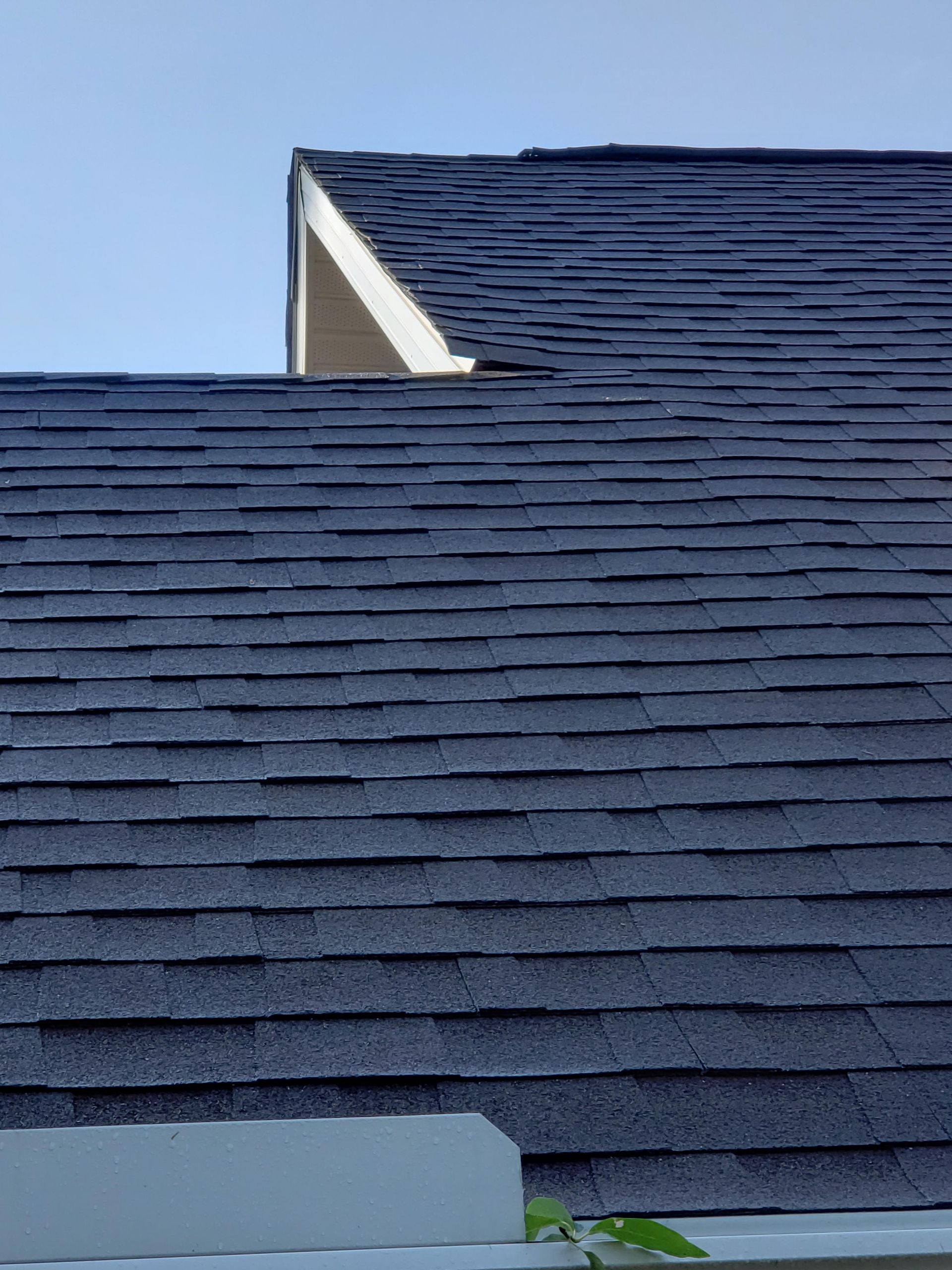
Incorrect shingle and flashing work at a roof transition
Waterproofing sequence

Complex Roof Levels Need A Planned Installation Order

On a multi-level roof, the sequence of underlayment, wall flashing, valley work, and finished material determines whether water has a continuous path out. Surface sealant cannot correct parts installed in the wrong order.

  • Map the drainage route across every adjoining plane before removing material.
  • Sequence underlayment, valley protection, and wall metal from lower to upper layers.
  • Install compatible accessories instead of sealing around worn components.
  • Verify attic intake, exhaust, and gutter discharge before closeout.
Loose asphalt granules showing advanced shingle wear
Roof additions and past work

Additions And Past Repairs Must Be Read As One Roof

A house that has been expanded over time may combine different deck heights, roof pitches, vent types, and repair materials. We identify where the assemblies meet and whether a new repair can tie into material that still has useful life.

  • Separate original construction from later porches, garages, or room additions.
  • Check repair records, interior stain history, and changes reported after storms.
  • Test whether the surrounding shingles, panels, or tile can accept a durable tie-in.
  • Base the scope on decking, secondary water protection, flashing, and ventilation together.
Decide by the reach of the failure

Repair Makes Sense Only When The Rest Of The Roof Can Support It

We weigh the size of the defect against the condition around it. A smaller repair is worthwhile when it reaches the full cause and connects to dependable roofing; replacement is smarter when the same failure pattern appears across several planes.

A focused repair fits when

A Limited Defect With Dependable Roofing Around It

  • The entry point is confined to one boot, small flashing joint, short edge, or isolated material group.
  • Adjacent roofing remains flexible, fastened, and free of matching failure.
  • Sheathing beneath the affected area is firm after wet material is removed.
  • New components can be layered into the existing system without relying on exposed sealant.
  • The remaining roof life justifies the cost and disruption of a local correction.
Replacement deserves consideration when

Several Connected Weak Areas Point Toward Replacement

  • Water has appeared in separate rooms or returned after more than one repair.
  • Curling, brittleness, granule loss, corrosion, or breakage extends across multiple slopes.
  • Several valleys, ridge lines, wall joints, or perimeter sections show weakness.
  • Deck repair, underlayment, flashing, and ventilation would be better corrected as one project.
  • Another patch would leave the owner facing the same access and production costs soon.
Material selection for North Polk homes

Choose A System For The Roof Shape, Exposure, Maintenance, And Ownership Plan

Material choice should reflect the home’s roof shape, exposure, budget, community requirements, access for future maintenance, and how long the owner expects to keep the property. The lowest initial price is not the only cost that matters.

Architectural Shingles For Practical Flexibility

Architectural shingles suit many North Polk homes and offer a practical range of profiles and colors. Their performance depends on deck preparation, starter, nail placement, ventilation, valley work, and flashing more than the sample board alone suggests.

  • A practical fit for many subdivisions, lake-town homes, and rental properties.
  • Starter, fastening, attic airflow, and valley detailing must match the roof design.
  • Profile and color can be selected around neighborhood rules and resale plans.

Metal Systems For Longer Ownership Plans

Metal roofing may serve a rural residence or long-term home well when the panel system is matched to the structure. Details at fasteners, clips, end laps, penetrations, hips, and edges determine future maintenance.

  • Concealed-fastener and exposed-fastener roofs have different service requirements.
  • Hips, valleys, openings, and short panel runs increase fabrication and flashing work.
  • Budget for the system, trim, substrate preparation, and long-term fastener or sealant care.

Tile, Low-Slope, And Specialty Sections

Tile and low-slope sections sometimes appear on vacation homes, porches, or additions. Underlayment condition, breakage, weight, tie-in height, drainage, and safe access decide whether those areas can be repaired or need a broader scope.

  • The waterproofing below tile often determines whether an interior leak develops.
  • Broken pieces, walking access, weight, and tie-ins may change the repair approach.
  • Obtain any required community approval before specialty materials are ordered.
A documented path from inspection to closeout

A Practical North Polk Roofing Process From First Walkaround To Final Cleanup

The homeowner should know what was inspected, what failed, and why the proposed work fits. We organize the project from site access and roof documentation through scope, permitting, protection, production, and final review.

1

Walk The Roof And Trace The Complaint

We start with the concern reported, then examine roof planes, attic evidence when accessible, edges, valleys, flashing, ventilation, gutters, additions, and previous repairs.

2

Organize Findings By Roof Plane

Photos are grouped by roof area so the owner can connect each finding to a specific slope, opening, or transition instead of sorting through unrelated images.

3

Compare Durability, Disruption, And Remaining Life

Repair and replacement options are compared by expected durability, surrounding material condition, deck needs, project disruption, and the likelihood of another near-term service call.

4

Put Access, Permits, And Protection In Writing

The written scope identifies materials, removal, wood replacement allowances, underlayment, ventilation, flashing, permit responsibility, access, landscaping protection, cleanup, and warranty terms.

5

Complete The Scope And Close Out The Site

During production, the crew follows the approved sequence, controls debris, protects the site, checks exposed conditions, and closes the job with a documented walkthrough.

Did wind, rain, or debris change the roof?

Wind-Lifted Edges And Valley Leaks Rarely Improve On Their Own

Call when a shingle line looks lifted, ridge material has moved, a ceiling spot appears after wind-driven rain, metal is bent, a branch has struck the roof, or daylight is visible through an attic opening.

North Polk residential roofing coverage

Roofing Across North Polk’s Growth Corridors, Lake Towns, And Rural Routes

Revildor schedules North Polk roofing by exact address and project type. Coverage planning includes the Davenport and Loughman corridor, Lake Alfred and Auburndale, Polk City routes, northern Haines City, Lake Hamilton, and nearby unincorporated areas.

Davenport, Loughman, And Four Corners Addresses

These fast-growing communities can involve gated entries, two-story homes, pool screens, rental calendars, busy roads, and limited street parking. Inspection and production access are confirmed before the date is set.

Davenport Loughman Four Corners ChampionsGate Area Providence Area

Lake Alfred And Auburndale Homes

Established lake-town neighborhoods may have mature trees, older additions, mixed roof materials, and tighter side yards. Protection and leak tracing are adjusted to the actual lot.

Lake Alfred Auburndale Polk City

Polk City And Semi-Rural Properties

Acreage and semi-rural properties may require longer material carries, driveway checks, space for trailers, and coordination around animals, sheds, or detached garages.

Kathleen Area Lake Hamilton North Haines City

Lake Hamilton And Northern Haines City

Along the Lake Hamilton and north Haines City side of the region, newer subdivisions sit near older homes. We verify roof history, jurisdiction, and community requirements rather than assuming one process fits every address.

CR 557 Corridor US 27 Corridor Unincorporated North Polk
Revildor team reviewing roof project documentation at a Central Florida property
Why homeowners choose a documented inspection

Experienced Inspection Helps Separate A Local Defect From A Tired Roof

Revildor is family owned and has served Central Florida since 2007. Its published credentials include Florida roofing and general contractor licenses, CertainTeed ShingleMaster™ Pro status, inspection experience, and FRSA involvement. The roof findings are explained with photos and a scope homeowners can follow.

Central Florida service history since 2007 An established operating record serving Central Florida property owners.
Inspection experience cited by Revildor More than 2,500 commercial and residential inspections are cited in the company background.
CertainTeed ShingleMaster™ Pro status Manufacturer-focused training for asphalt shingle installation and system details.
Florida roofing and general contractor licenses CCC1328368 and CGC1508771 are published by Revildor.
  • Roof photos are organized so the homeowner can identify each affected plane.
  • Repair recommendations are tested against surrounding material and deck condition.
  • Material choices are tied to exposure, roof shape, access, budget, and upkeep.
  • Site protection, debris control, communication, and final documentation are included in the plan.
Review service-specific roofing guidance

Plan The Roof Project With The Right Service Information

North Polk roofing questions homeowners actually ask

Answers For North Polk Homeowners, Landlords, And Property Managers

These answers address the questions North Polk homeowners commonly raise about regional service, municipal versus county permitting, rental coordination, exposed lots, older additions, materials, and post-storm inspections.

Is North Polk County its own roofing permit jurisdiction?

North Polk County is a regional description rather than a separate permitting authority. The permit office depends on the exact address and whether the property lies inside Davenport, Lake Alfred, Auburndale, Polk City, Haines City, another municipality, or unincorporated Polk County. The written scope should identify who handles permits and inspections.

Can you coordinate roof work for a Davenport-area rental or second home?

Yes. Access, occupancy dates, gate instructions, parking, pool-screen protection, interior entry, and the local property contact should be established before the inspection or production date. Photos and a written scope help an off-site owner understand the roof without depending on a guest or manager to interpret it.

What changes the cost of a large North Polk roof project?

Price changes with roof area, story height, pitch, number of valleys, material, removal, deck repairs, flashing, ventilation, permits, disposal, and site access. A large two-story roof near the I-4 corridor may also require added protection around pool cages, close homes, or limited staging space.

Does an open lot increase the need for a wind inspection?

Open lots do not prove that damage occurred, but they can leave eaves, rakes, ridges, and vents more directly exposed to gusts. An inspection after a known wind event should look for lifted material, loosened edges, displaced ridge pieces, bent metal, and changes that were not present before.

Should an acreage home use architectural shingles or metal roofing?

Architectural shingles often provide a practical balance of cost, appearance, and repair access. Metal may fit a long ownership plan or an acreage property where the owner accepts a higher initial investment and system-specific maintenance. Roof shape, deck condition, openings, budget, and community rules should drive the choice.

Can a leak at an older porch or room addition still be repaired?

Often, but the tie-in must be investigated. Older homes may have a porch, room addition, or garage roof with a different pitch and flashing history. A durable repair requires sound decking, usable surrounding material, and a complete water path; widespread deterioration may call for replacement of the connected section.

When should I request an inspection after a North Polk storm?

Arrange a prompt inspection when roofing is missing, an edge is lifted, a branch hit the roof, underlayment is exposed, water is entering, or a roof section looks different after the storm. Stay off wet or damaged roofing and move belongings away from active interior moisture when it is safe to do so.

Which communities are included in your North Polk service planning?

Service planning includes Davenport, Loughman, Four Corners addresses in Polk County, Lake Alfred, Auburndale, Polk City, Lake Hamilton, northern Haines City, Kathleen-area properties, and nearby unincorporated communities. The exact address, roof type, access, and project scope are confirmed before scheduling.

Ready to understand the condition instead of guessing?

Schedule Roofing Service Across North Polk County, FL

Share the address, whether the home is occupied or managed, the roof type if known, and what changed. Revildor can arrange the appropriate inspection and explain whether the next step is a focused repair review, replacement planning, or storm-condition documentation.