Roofing guidance for the coast, the river corridor, and inland North Volusia

Roofing Contractor North Volusia County, FL

A roof near the Atlantic can lose edge protection long before an inland roof shows the same wear. Shaded homes around DeLand collect debris and dry slowly, while open properties near Pierson can take direct wind from every direction. Revildor provides roof repair, replacement, shingle roofing, metal roofing, and storm inspections across North Volusia County.

We start with the way wind and water reach the house. Then we check the surface, deck, underlayment, flashing, ventilation, drainage, tree contact, and earlier repairs before recommending the next step.

Florida licenses CCC1328368 and CGC1508771 Central Florida roofing since 2007 CertainTeed ShingleMaster™ Pro
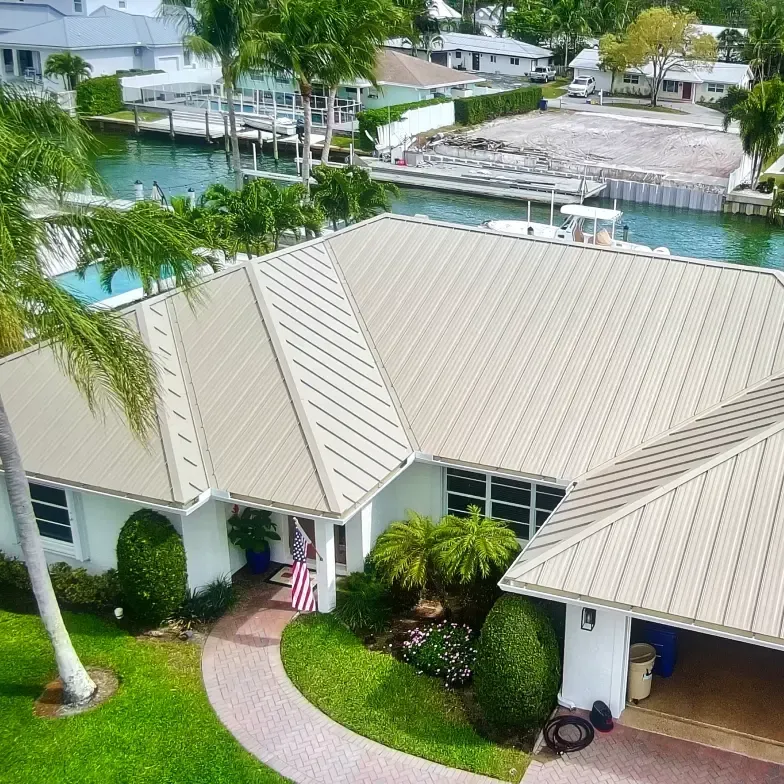
Cream-colored metal roof on a Florida waterfront home
One inspection matched to the property Coastal exposure, tree cover, open land, access, drainage, and roof age all shape the recommendation.
Verify the contractor before work begins You deserve clear license information and a crew with real roofing experience. Revildor combines Florida contractor credentials, manufacturer training, industry participation, inspection knowledge, and a Central Florida operating history that began in 2007.
Revildor roofing company logo
Better Business Bureau Accredited Business A plus rating badge
CertainTeed ShingleMaster Pro credential badge
Florida Roofing and Sheet Metal Contractors Association logo
Florida Department of Business and Professional Regulation logo
Tell us what changed

Start With The Symptom You Can See

A ceiling mark, loose shingle, or brittle surface gives us a place to begin. Choose the closest concern, then schedule an on site review before approving any work.

Which Issue Looks Familiar?

You will see a general next step without entering your contact information.

Your roof needs a closer look Review soon

We check perimeter details, surface wear, flashing, ventilation, drainage, tree exposure, coastal conditions, and the history of repairs before deciding whether the problem is isolated or widespread.

Schedule the inspection This tool offers general homeowner guidance. It does not replace an inspection, engineering review, code decision, or insurance determination.
The local answer

Who Should You Call For Roofing Service In North Volusia County, Florida?

Revildor serves homeowners across North Volusia County with licensed roof repair, replacement, asphalt shingle, metal roofing, and storm inspection services. Our team works on properties from the Ormond coast through the Halifax corridor and into inland communities north of DeLand. Revildor operates under Florida licenses CCC1328368 and CGC1508771 and has served Central Florida since 2007.

The recommendation begins with the complete roof, not only the room where water appeared. We inspect the deck, underlayment, valleys, wall connections, penetrations, ventilation, runoff paths, tree contact, and the way coastal or rural wind reaches the structure.

Practical roofing help across North Volusia

Choose The Work That Solves The Roof, Not Just The Stain

A lifted edge near the ocean, a branch strike under mature oaks, and brittle shingles on open acreage call for different scopes. We inspect the roof first, show you what is failing, and explain the repair or replacement that fits the condition we can verify.

Roof Repair

We follow the leak past the visible stain and inspect nearby flashing, boots, vents, valleys, edge metal, and previous patches. A focused repair makes sense when the surrounding roofing is stable enough to accept new work.

Explore repair options

Roof Replacement

Replacement becomes the practical choice when aging material, repeated leaks, broad wind damage, weak decking, or failing underlayment affects more than one isolated area.

Review replacement planning

Asphalt Shingle Roofing

For shingle roofs, we plan the starter course, underlayment, flashing, ventilation, fastening, and edge protection around the home’s actual wind and shade exposure. Color is important, but the water path comes first.

Compare shingle systems

Metal Roofing

Metal roofing can work well for long ownership plans, but the panel type, finish, fasteners, penetrations, seams, and coastal maintenance requirements must fit the property. We explain those differences before a system is selected.

Compare metal systems

Storm Roof Inspections

After strong wind or falling debris, we inspect ridges, eaves, rakes, flashing, vents, exposed underlayment, and impact areas. We separate openings that need prompt attention from ordinary age related wear.

See storm inspection guidance

Whole Roof Evaluation

A complete evaluation connects the visible concern to roof age, material condition, tree cover, salt exposure, drainage, ventilation, and earlier workmanship. That broader view helps prevent a small symptom from driving the wrong decision.

Book a complete roof review
What North Volusia roofs are up against

Salt Air, Tree Cover, Direct Sun, And Open Wind Wear Roofs In Different Places

North Volusia includes exposed barrier island homes, river influenced neighborhoods, shaded inland streets, and rural acreage. The roof plane that fails first depends on sun, wind, debris, drainage, and how quickly the surface dries after rain.

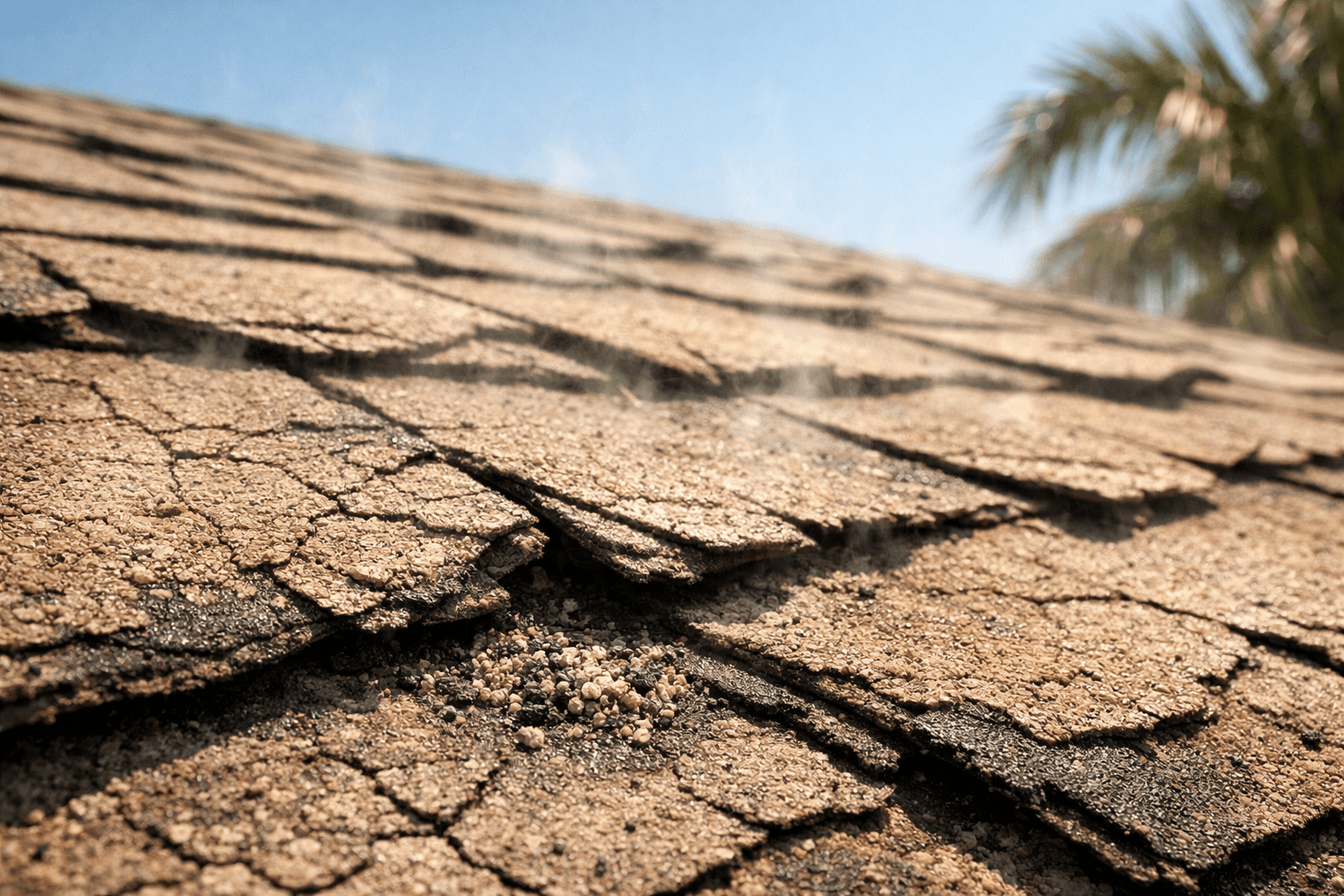
Heat and ultraviolet damage on aged asphalt roof shingles Afternoon sun

Exposed Slopes Dry Out And Harden First

South and west facing shingles take the strongest afternoon heat. As older material loses flexibility, small cracks and weak seals become easier for wind driven rain to exploit.

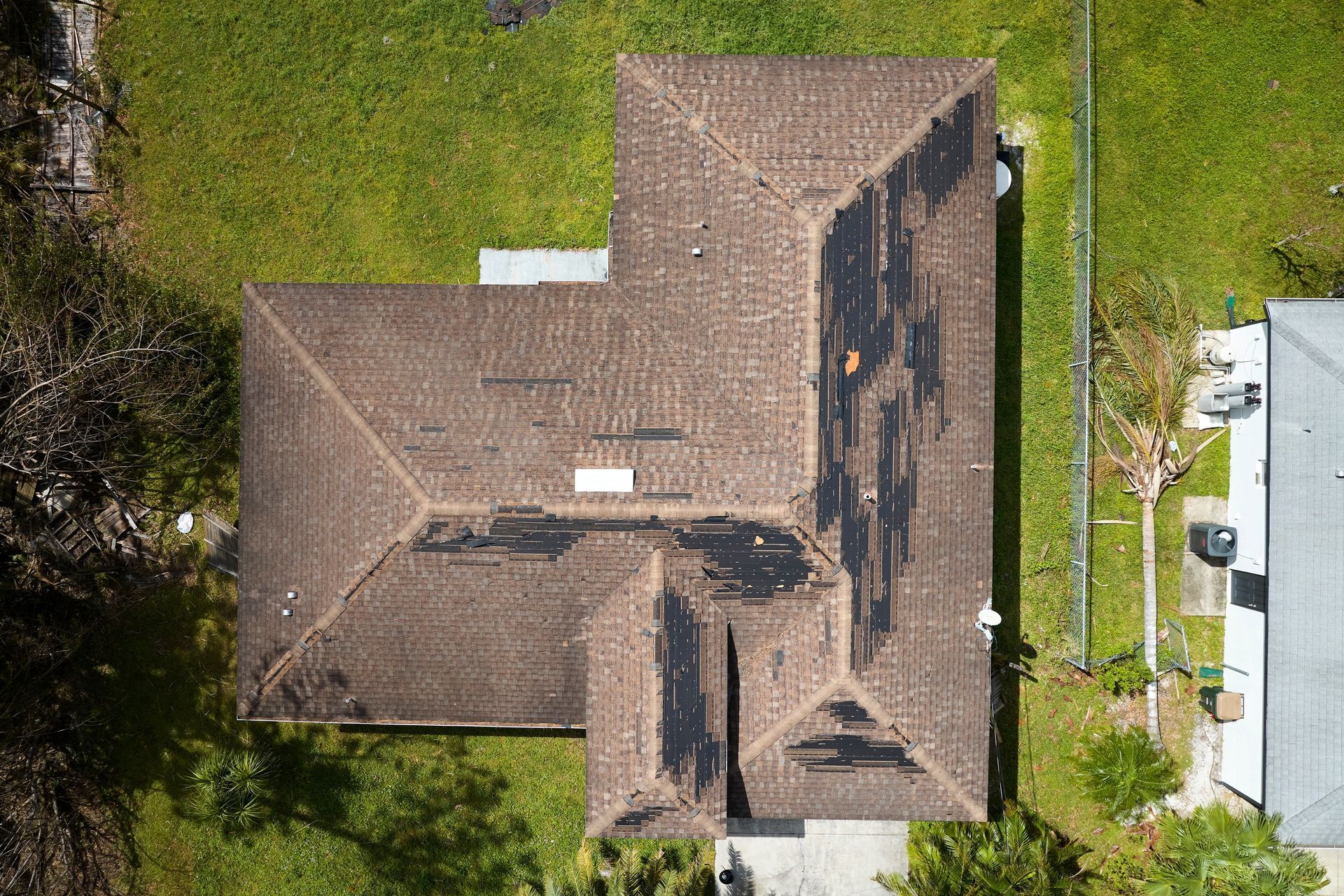
Aerial view of widespread wind and storm damage on an asphalt shingle roof Coastal wind

Barrier Island Roofs Give Wind More Access To The Edges

Homes near the ocean and Halifax River often have fewer wind breaks. Starter material, rake edges, ridge caps, vents, and metal finishes deserve careful inspection.

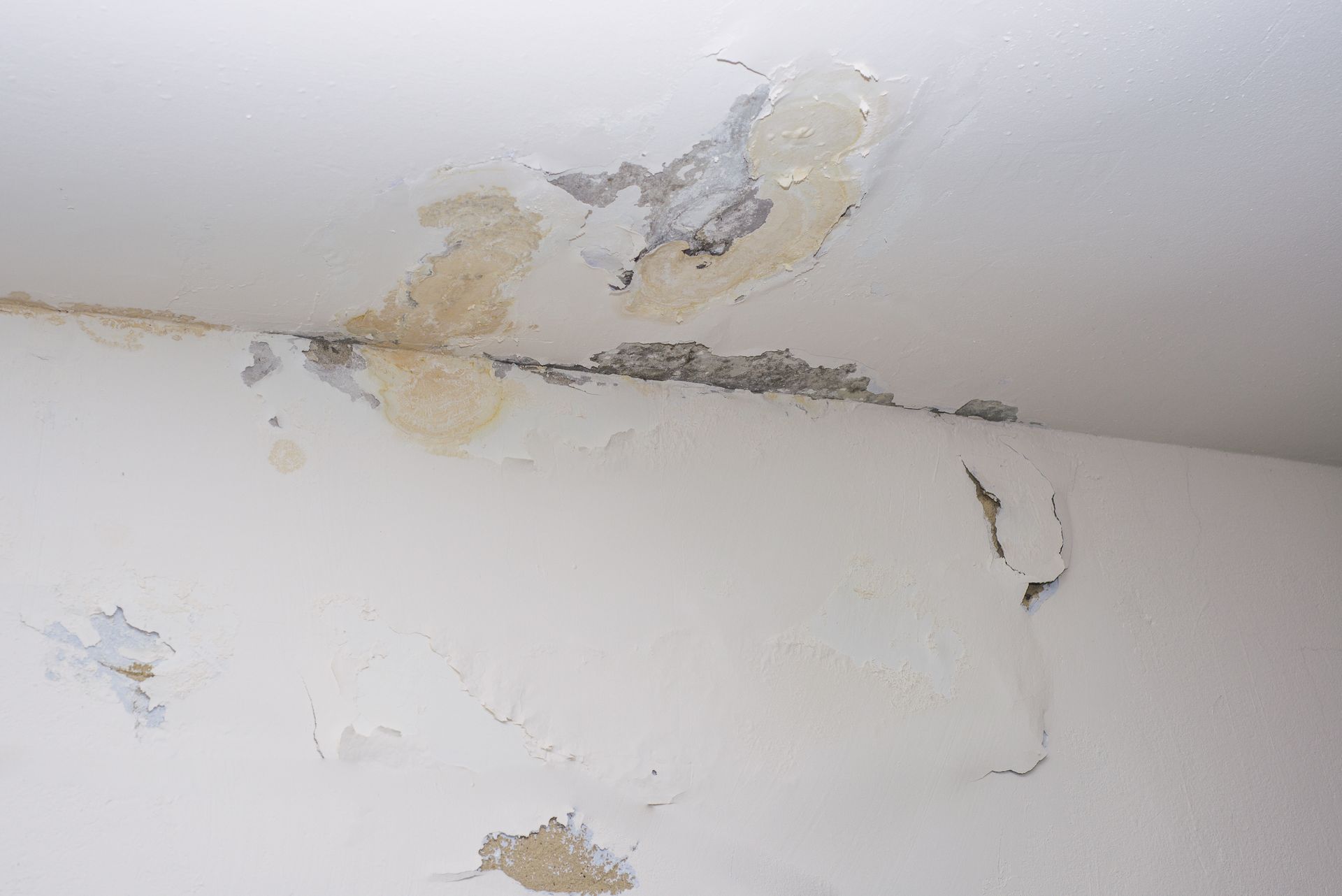
Interior ceiling and wall damage caused by a roof leak Summer rain

One Weak Valley Can Carry Water Far From The Leak

Fast downpours send a large volume of water through valleys and wall intersections. A small flashing gap may wet decking several feet before the ceiling shows a mark.

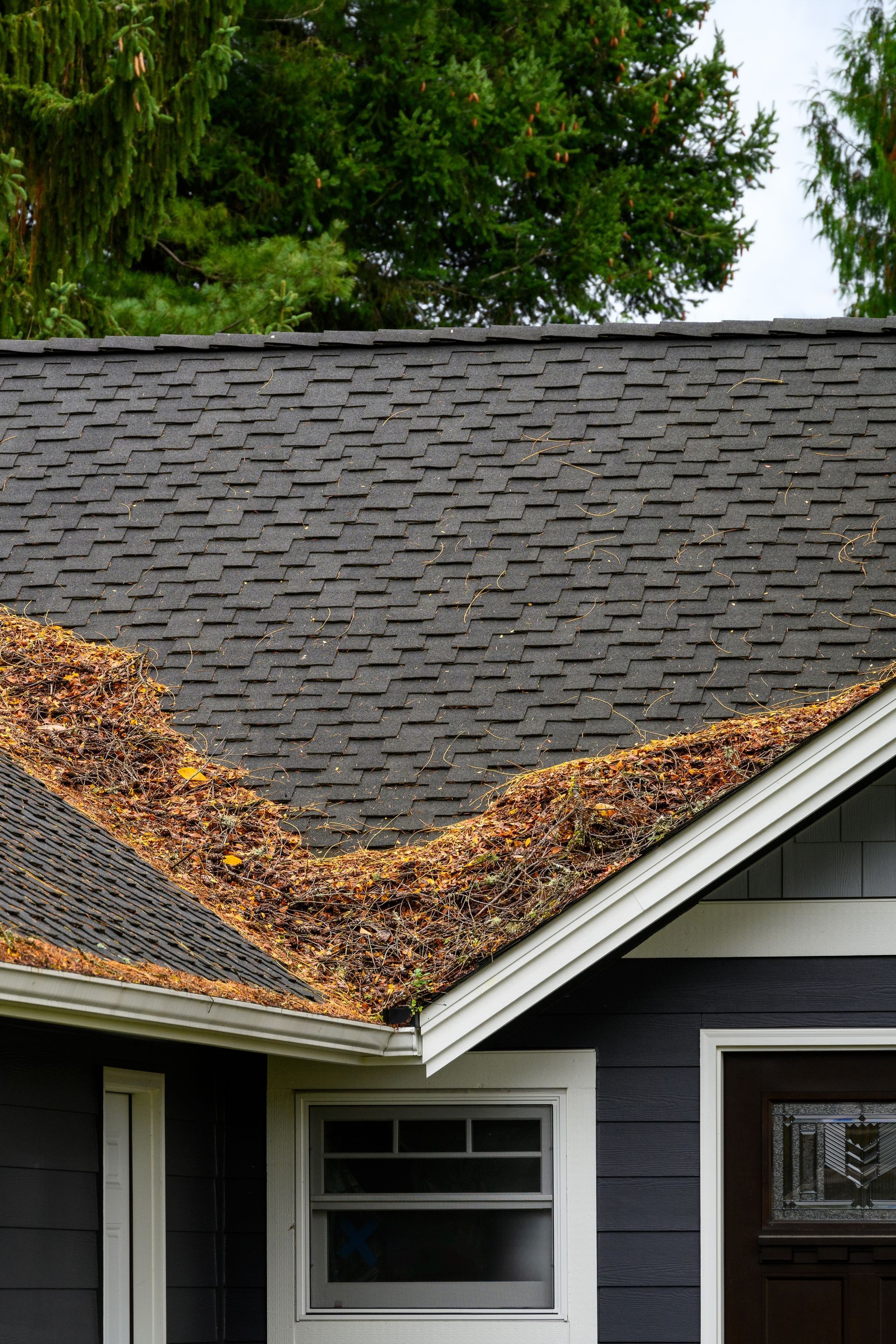
Tree debris collected in the valley of an asphalt shingle roof Canopy debris

Oak Leaves And Pine Needles Hold Moisture At Transitions

Tree debris gathers behind chimneys, around skylights, and where roof planes meet. That buildup slows drainage and can hide cracked material or worn flashing.

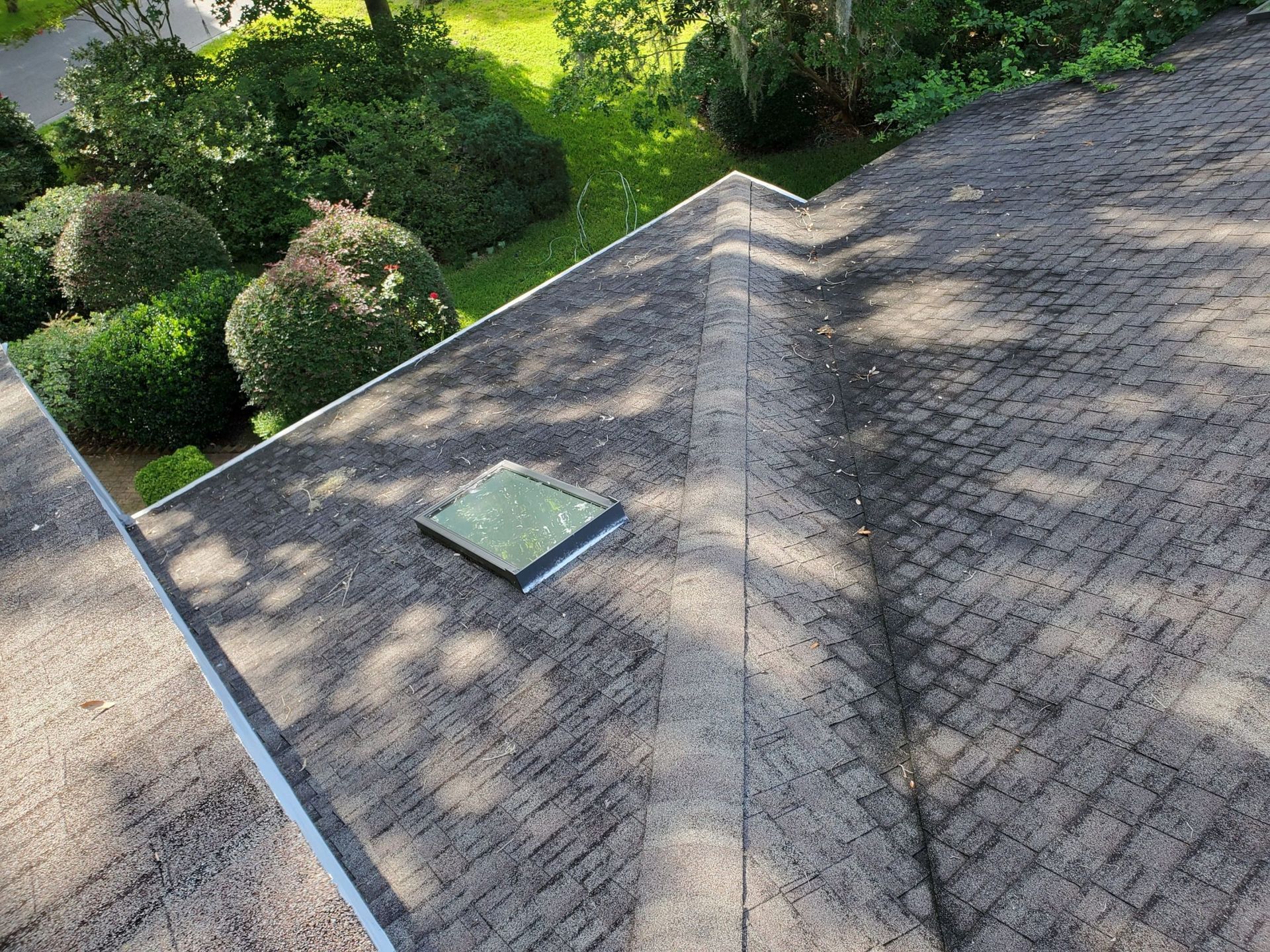
Aged asphalt shingles showing weather exposure on a Florida roof Mixed roof ages

Additions Often Age On A Different Schedule

A porch enclosure, garage addition, or low slope tie in may use different underlayment and flashing than the main roof. We inspect each section according to its own installation history.

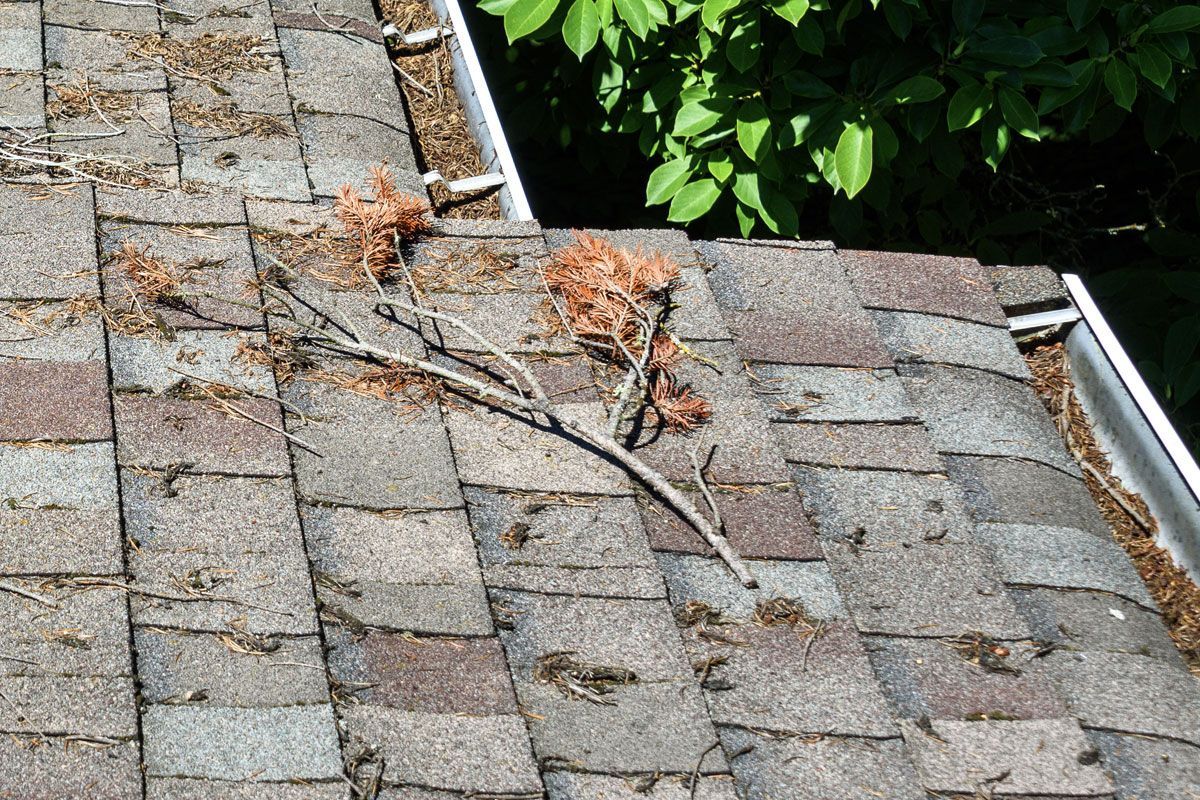
Debris resting on a residential roof after Florida weather Runoff

Long Roof Runs Need Clear Discharge Paths

Water must leave the roof without backing up at gutters, valleys, or sidewalls. Granules, leaves, and poor slope transitions can redirect runoff toward vulnerable details.

One county, several roofing environments

The Right Scope Changes As You Move West From The Ocean

North Volusia is not one uniform service area. Coastal exposure, river influence, mature canopy, open farmland, access, and the age of local housing all change what deserves attention during an inspection.

The Ormond coast and barrier island

Salt, direct wind, and driving rain put extra pressure on edges, exposed fasteners, ridge details, sealants, and metal finishes. We look closely at every place the roof meets open air.

The Halifax and north Daytona corridor

Compact lots and older homes often include additions, low slope sections, reused flashing, and limited staging space. Leak tracing may require comparing several generations of roofing work.

DeLand, North DeLand, and Glenwood

Mature trees create shade, debris, and branch contact, while established homes may have mixed roof ages. Valleys, gutters, penetrations, and attic airflow deserve equal attention.

DeLeon Springs, Pierson, and Seville

Open land can expose roof edges to direct gusts, and rural properties may require more planning for access, materials, and cleanup. We confirm those logistics before the scope is finalized.

Look past the surface

A Roof Stays Dry Only When The Hidden Layers Work Together

Shingles or panels are the first line of defense, not the whole system. The deck, underlayment, flashing, ventilation, perimeter, and runoff paths must support one another through heat, wind, and sudden rain.

A solid roof deck

New material needs sound sheathing below it. We identify soft, separated, sagging, or poorly fastened decking before it is covered again.

Underlayment that protects the deck

Underlayment provides backup protection when rain reaches a damaged shingle, valley, edge, fastener, or penetration. Its condition matters most where water is concentrated.

Flashing at every opening

Vents, boots, chimneys, sidewalls, headwalls, skylights, and valleys need details that direct water away from the opening. Sealant alone is not a complete flashing plan.

Balanced attic ventilation

Intake and exhaust should work together to release heat and moisture. Blocked airflow can increase deck temperatures and make existing roof wear progress faster.

Secure perimeter work

Eaves and rakes take direct wind pressure. Starter material, drip edge, fascia transitions, gutter placement, and fastening must be coordinated around the entire roof.

Open valleys and drainage

Valleys need clear flow and dependable protection below the surface. Debris, poor cuts, low spots, or patchwork repairs can turn the main runoff path into the source of a leak.

Details that keep problems from returning

Good Roofing Should Make Sense Up Close

A clean view from the street does not tell you how the flashing, fasteners, valleys, and ventilation were handled. We build the scope around the details that control water and wind after the crew leaves.

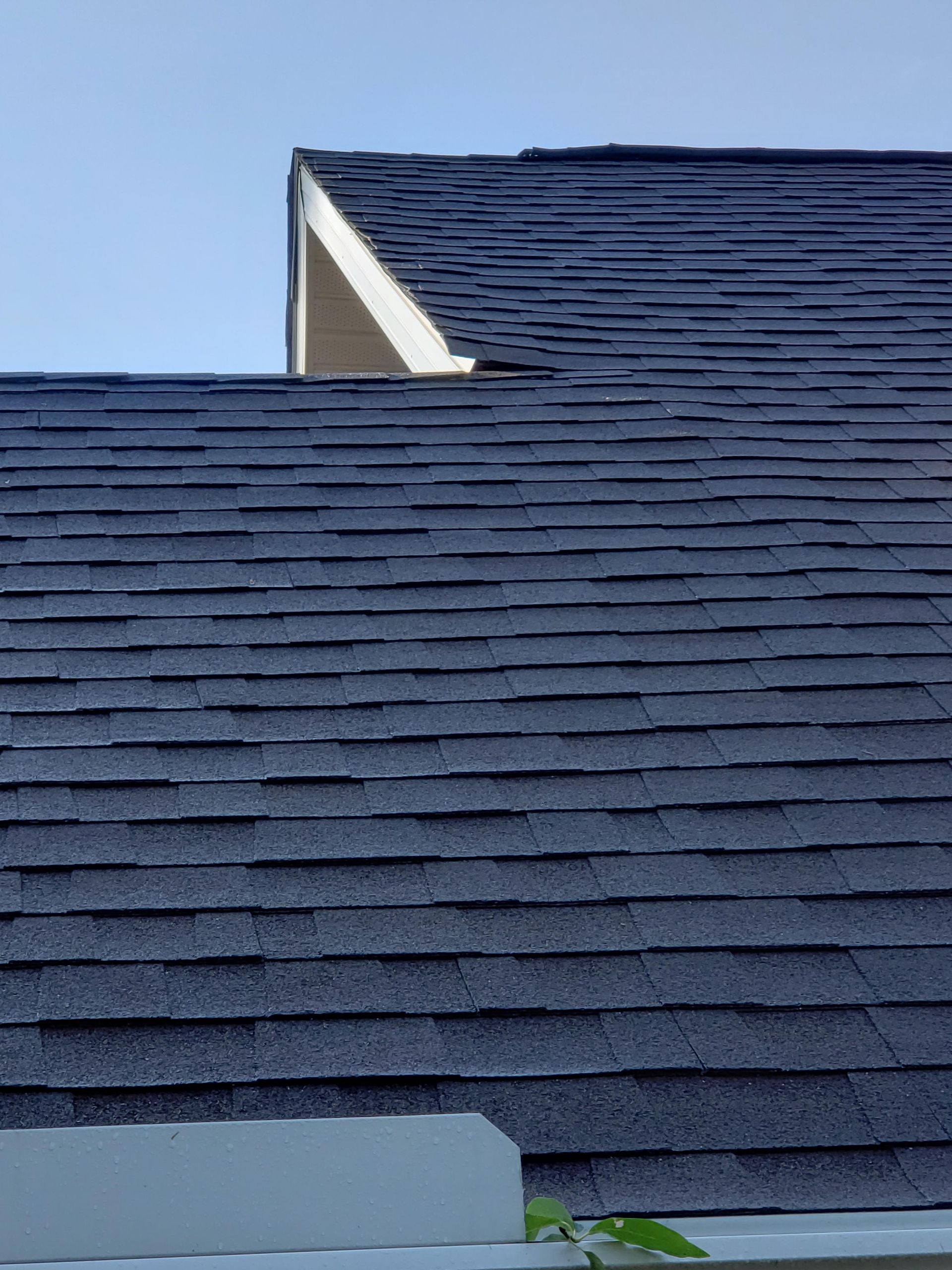
Poor asphalt shingle installation around a roof transition
During installation

Every Transition Needs A Planned Water Path

Roofing fails early when cuts, fasteners, flashing, and tie ins are treated as afterthoughts. Each change in slope or material should move water toward a safe exit.

  • Inspect every valley, wall, penetration, and change in roof pitch.
  • Use fasteners and accessories designed for the chosen roof system.
  • Replace worn boots and flashing instead of hiding them below new material.
  • Confirm ventilation and drainage before the roof surface is closed.
Close-up of loose asphalt shingle granules from roof wear
Before choosing the scope

The Surrounding Roof Has To Support The Repair

A patch may stop one leak but still be a poor investment if nearby shingles are brittle or several other details are failing. We test the condition around the problem before recommending isolated work.

  • Compare wear on exposed, shaded, and hard to reach slopes.
  • Review earlier repairs and ask why the same area leaked again.
  • Check whether nearby material can be lifted and resealed safely.
  • Include decking, underlayment, flashing, and ventilation in the decision.
Repair or replacement

Use The Condition Of The Entire Roof To Make The Call

We compare the failed detail with roof age, material flexibility, fastening, repair history, deck condition, and the number of other weak areas. The goal is to fix only what the roof needs while avoiding a repair that cannot last.

Repair fits when

One Detail Has Failed, But Nearby Roofing Is Dependable

  • The leak traces to one boot, vent, flashing joint, edge, or short valley section.
  • Only a small amount of roofing is loose, cracked, or missing.
  • The surrounding material remains flexible, sealed, and securely attached.
  • Decking near the problem is sound and the water path is understood.
  • The roof has limited repair history and useful service life remains.
Replacement fits when

Wear Or Damage Reaches More Than One Roof Area

  • Leaks have appeared in several rooms, valleys, or roof planes.
  • Cracking, lifting, brittleness, or granule loss is widespread.
  • Wind or debris has affected multiple edges, ridges, and transitions.
  • Decking, underlayment, flashing, and ventilation need coordinated correction.
  • Another local patch would delay the same larger project.
Material choices for North Volusia homes

Balance Exposure, Maintenance, Appearance, And Ownership Plans

The best roof is the system that fits the structure and the property. We compare pitch, tree cover, coastal air, wind access, neighborhood character, budget, maintenance, and how long you expect to own the home.

Architectural asphalt shingles

Architectural shingles suit many North Volusia homes because they work with varied roof shapes and budgets. Their performance still depends on sound underlayment, starter material, flashing, ventilation, and careful fastening.

  • A practical choice for many primary homes, rentals, and retirement properties.
  • Shade, heat, ventilation, and installation quality affect service life.
  • Color and profile options can fit both coastal and inland architecture.

Metal roofing

Metal can support a long ownership plan, especially when panel type, finish, seams, fasteners, penetrations, and edge details are chosen for the exposure. Coastal properties also need realistic maintenance expectations.

  • Standing seam and exposed fastener systems require different maintenance.
  • Panel movement, roof openings, and perimeter details need deliberate planning.
  • The initial cost is commonly higher than a comparable shingle roof.

Tile and specialty roofing

Tile and specialty materials can fit certain homes, but the structure, underlayment, flashing, access, broken pieces, and roof geometry determine whether repair or replacement is practical.

  • The waterproofing below tile often controls whether the roof leaks.
  • Weight and fastening may require additional review before replacement.
  • Choose the material only after the roof and property have been inspected.
How the project moves forward

Clear Findings First, Clear Scope Next

You should understand what failed, what remains serviceable, what the work includes, and how the property will be protected. We explain those points before materials arrive.

1

Listen and inspect

We review the leak history, visible damage, roof age, flashing, ventilation, drainage, tree exposure, and any storm event that may have changed the roof.

2

Document the condition

Photos and plain language help you see the problem areas and understand why a repair or replacement is being considered.

3

Compare sensible choices

We weigh a targeted repair against replacement using damage extent, material condition, repair history, and likely remaining service life.

4

Write the scope clearly

The proposal addresses materials, decking, underlayment, flashing, ventilation, permits, cleanup, scheduling, and available warranty information.

5

Complete the work and review it

We protect the site, perform the agreed work, remove debris, inspect key details, and explain the completed roof before closing the project.

Did the last storm change the roof?

A Loose Edge Can Let Rain Travel Before A Stain Appears

Call when you notice missing roofing, shifted ridge material, exposed underlayment, bent flashing, tree impact, sudden granule loss, or any roof section that looks different after wind.

Roofing service across North Volusia

From Ormond Beach To Rural Northern Volusia, We Plan Around The Address

Revildor schedules residential roofing by property location and project scope. We serve coastal neighborhoods, the Halifax corridor, established inland communities, and rural areas where access and staging require more planning.

Ormond and the coastal side

Homes here need close review of edges, fasteners, flashing, finishes, river or ocean exposure, and landscaping that may limit access.

Ormond Beach Ormond-by-the-Sea National Gardens The Trails Breakaway Trails

The Halifax and north Daytona area

Older roofs, compact lots, additions, low slope sections, and mixed repair histories make careful leak tracing especially important.

Holly Hill Daytona Beach LPGA area

DeLand and nearby inland neighborhoods

Mature canopy, mixed roof ages, older penetrations, and repeated repairs can create different conditions on each roof plane.

DeLand North DeLand Glenwood

Northern rural communities

Open acreage, long driveways, tree contact, and fewer wind breaks affect both the inspection and the job site plan.

DeLeon Springs Pierson Seville
Revildor team reviewing roofing project documentation at a Central Florida jobsite
Why North Volusia homeowners choose Revildor

You Get A Roof Explanation, Not A Rushed Sales Pitch

Revildor is family owned and operated and has served Central Florida since 2007. Our team combines roof installation knowledge, property inspection experience, storm documentation, and practical communication for homeowners from the coast to inland North Volusia.

Serving Central Florida since 2007 A long operating history with experience across coastal, suburban, and inland roof conditions.
More than 2,500 inspections cited by Revildor Experience identifying visible property conditions and explaining what they mean.
CertainTeed ShingleMaster™ Pro Manufacturer focused training for asphalt shingle systems and installation details.
Florida licenses you can verify CCC1328368 and CGC1508771, as listed by Revildor.
  • We explain findings in language that makes sense from the ground.
  • We compare repair and replacement using conditions we can document.
  • We match the material and scope to the roof, property, and budget.
  • We plan protection, cleanup, access, and the final review before work starts.
Useful next steps

Read More Before You Decide

Frequently asked questions about roofing in North Volusia County

Answers Homeowners Usually Need Before Scheduling

These questions cover price, timing, coastal details, permits, materials, storm inspections, and service across the northern part of Volusia County.

How much does a roof repair or replacement cost in North Volusia County?

Price depends on roof size, height, pitch, access, material, removal, damaged decking, flashing, ventilation, permit needs, and the number of valleys and penetrations. Coastal access, long rural driveways, or limited staging can also affect labor and logistics. We inspect the property before giving you a written scope.

How soon can roofing work start after the inspection?

Timing depends on the urgency of the problem, material availability, permit processing, weather, and the current production schedule. A small repair may require less preparation than a full replacement. We explain the likely sequence and any temporary protection that is appropriate for the roof.

Do homes near the coast need different metal roofing details?

Coastal properties deserve closer review of panel finish, exposed cuts, fasteners, seams, sealants, edge metal, and penetrations. The right approach depends on the actual distance, wind exposure, roof geometry, and maintenance plan. We make those conditions part of the material discussion.

Will my North Volusia roof project need a permit?

Roof replacement work commonly requires a permit, while the correct authority depends on the address and project scope. The property may fall under Volusia County or a municipality such as Ormond Beach, Holly Hill, Daytona Beach, DeLand, or Pierson. We identify the jurisdiction and state permit responsibilities in the proposal.

How do you decide whether a repair will last?

We compare the failed detail with the condition of nearby roofing, the roof age, repair history, fastening, underlayment, decking, and flashing. A repair should connect to sound material and correct the full route water is taking. When the surrounding roof is brittle or failing in several places, replacement may be the better use of your budget.

Which roof material should I consider for a North Volusia home?

Architectural shingles suit many homes and budgets, while metal may fit a longer ownership plan when the panel type and exposure are planned correctly. Tile and specialty systems require attention to weight, access, underlayment, and flashing. We compare materials after inspecting the roof shape and property conditions.

Should I schedule an inspection after strong wind if the ceiling is dry?

Schedule one when you see lifted edges, missing material, loose ridge pieces, bent flashing, tree impact, or exposed underlayment. Wind damage can create an opening before water travels far enough to show indoors. Stay off the roof and photograph visible changes from the ground when it is safe.

Which North Volusia communities can you schedule?

We schedule roofing work in Ormond Beach, Holly Hill, Daytona Beach, DeLand, Glenwood, DeLeon Springs, Pierson, Seville, and nearby areas. Service is confirmed by the exact address, roof type, and project scope so we can plan travel, access, jurisdiction, and materials correctly.

Ready for a clear roof assessment?

Schedule Roofing Service In North Volusia County, FL

Tell us what changed, where the property is located, and whether the roof has leaked before. We will help you arrange the right inspection and understand the next practical step.