Roofing service for older neighborhoods, lake communities, and growing Orange County

Roofing Contractor Orange County, FL

Orange County roofs range from compact homes beneath Winter Park trees to wide lakefront houses near Windermere and newer multi level properties in Horizon West and Lake Nona. Revildor handles roof repair, replacement, asphalt shingles, metal roofing, and storm inspections with the roof shape, access, and neighborhood conditions in mind.

We do more than look for the closest cracked shingle. Our inspection follows the drainage pattern through valleys, wall connections, penetrations, low slope tie ins, ventilation, deck condition, and earlier repairs so the recommendation fits the whole system.

Florida licenses CCC1328368 and CGC1508771 Central Florida roofing since 2007 CertainTeed ShingleMaster™ Pro
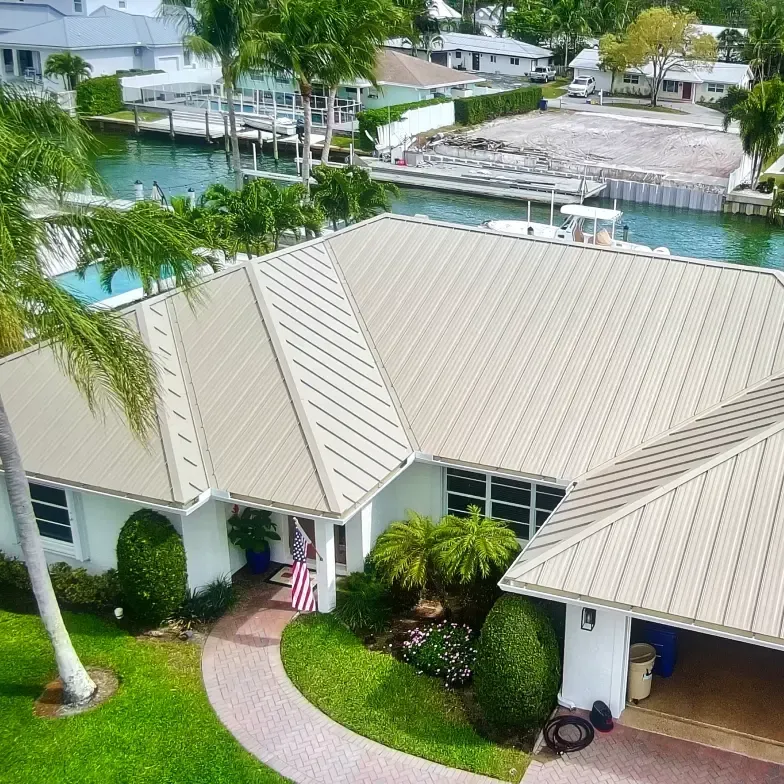
Cream-colored metal roof on a Florida waterfront home
A scope built around the house Tree canopy, lake wind, roof complexity, attic heat, access, and prior additions all affect the plan.
Check the company as carefully as the proposal A roofing decision should begin with verifiable credentials and a clear explanation of the work. Revildor brings Florida licenses, manufacturer training, industry involvement, inspection experience, and a Central Florida history that dates to 2007.
Revildor roofing company logo
Better Business Bureau Accredited Business A plus rating badge
CertainTeed ShingleMaster Pro credential badge
Florida Roofing and Sheet Metal Contractors Association logo
Florida Department of Business and Professional Regulation logo
Begin with the change you noticed

What Is Your Roof Telling You?

Choose the condition that looks closest to what you are seeing. The result is only a starting point, because the roof still needs an on site inspection before repair or replacement is recommended.

Select The Closest Match

The guidance appears immediately and no form is required.

Start with a system inspection Inspect first

We review the roof planes, valleys, deck, flashing, ventilation, drainage, tree cover, lake or open lot exposure, and previous work before deciding which option is reasonable.

Arrange the roof review This selector provides general information only. It is not a roof diagnosis, engineering opinion, code ruling, or insurance coverage decision.
A direct answer

Who Provides Residential Roofing Service Across Orange County, Florida?

Revildor is a licensed Central Florida roofing contractor serving Orange County homeowners with roof repair, replacement, shingle roofing, metal roofing, and storm inspections. We work with older urban homes, lakefront properties, suburban neighborhoods, and newer planned communities. Revildor operates under Florida licenses CCC1328368 and CGC1508771, has served Central Florida since 2007, and features completed work in Orlando and Apopka.

The right recommendation depends on more than the age printed on an estimate. We inspect the deck, underlayment, flashing, valleys, roof openings, ventilation, drainage, tree contact, additions, and the way nearby water or open development affects wind exposure.

Roofing services for Orange County homeowners

Solve The Confirmed Problem Before Choosing The Product

A sidewall leak on an older Orlando home, a damaged valley in Maitland, and widespread wear on a Horizon West roof are not the same project. We inspect the condition first, then explain the repair, replacement, or material system that fits the property.

Roof Repair

We trace leaks around chimneys, sidewalls, skylights, valleys, boots, vents, patio tie ins, and previous repairs. When the surrounding roof is still dependable, a properly scoped repair can correct the water path without replacing sound material.

Learn about roof repair

Roof Replacement

A full replacement is considered when wear extends across several planes, underlayment is failing, decking needs broad correction, or repeated repairs no longer provide reliable service.

Plan a roof replacement

Asphalt Shingle Roofing

Shingle systems are planned around pitch, valley count, ventilation, starter material, wall flashing, shade, curb appeal, and the wind exposure created by lakes or open growth corridors.

Review shingle choices

Metal Roofing

Metal roofing deserves a full design discussion. We compare panel profiles, finishes, edge details, penetrations, movement, maintenance, neighborhood requirements, and the complexity of the existing roof.

Review metal roof choices

Storm Roof Inspections

When a severe thunderstorm or tropical system moves through, we inspect eaves, rakes, ridges, flashing, vents, impact marks, exposed underlayment, and areas where debris struck the roof.

Understand storm risk

Whole Roof Evaluation

A whole roof evaluation gives context to the visible symptom. It considers age, material wear, low slope sections, additions, ventilation, drainage, tree contact, and the performance of every transition on the house.

Schedule a whole roof evaluation
Why Orange County roofs age unevenly

Lake Wind, Mature Trees, Long Valleys, And Afternoon Heat Create Different Weak Points

The county combines shaded older neighborhoods, dense urban lots, waterfront properties, and large new subdivisions. One slope may be dry and exposed while another holds leaves or carries runoff from several roof sections.

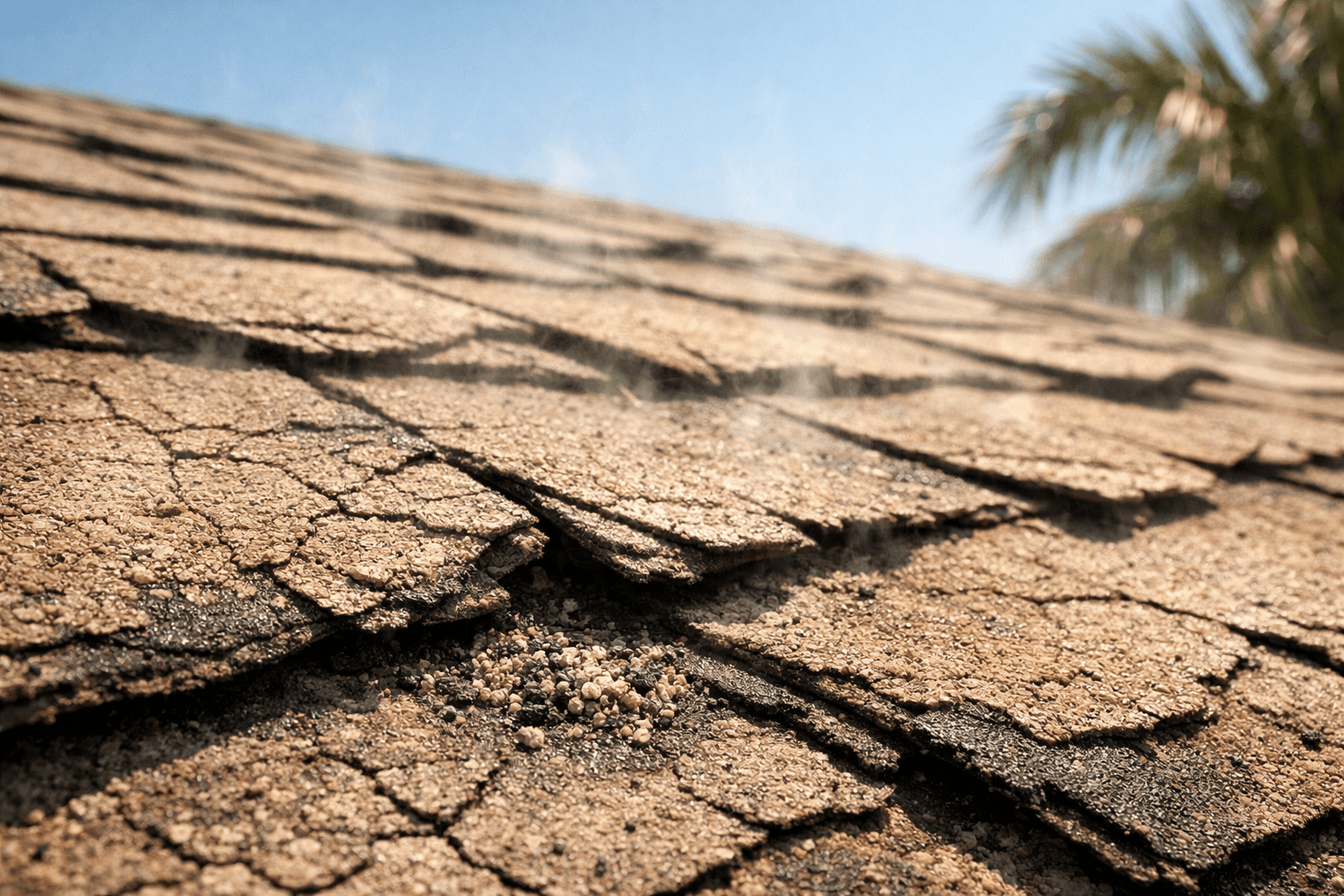
Heat and ultraviolet damage on aged asphalt roof shingles Heat load

Large Roof Planes Hold Afternoon Heat

West facing slopes absorb strong sun late in the day, and upper roof levels can stay hot well after sunset. Balanced attic airflow helps limit extra heat below the deck.

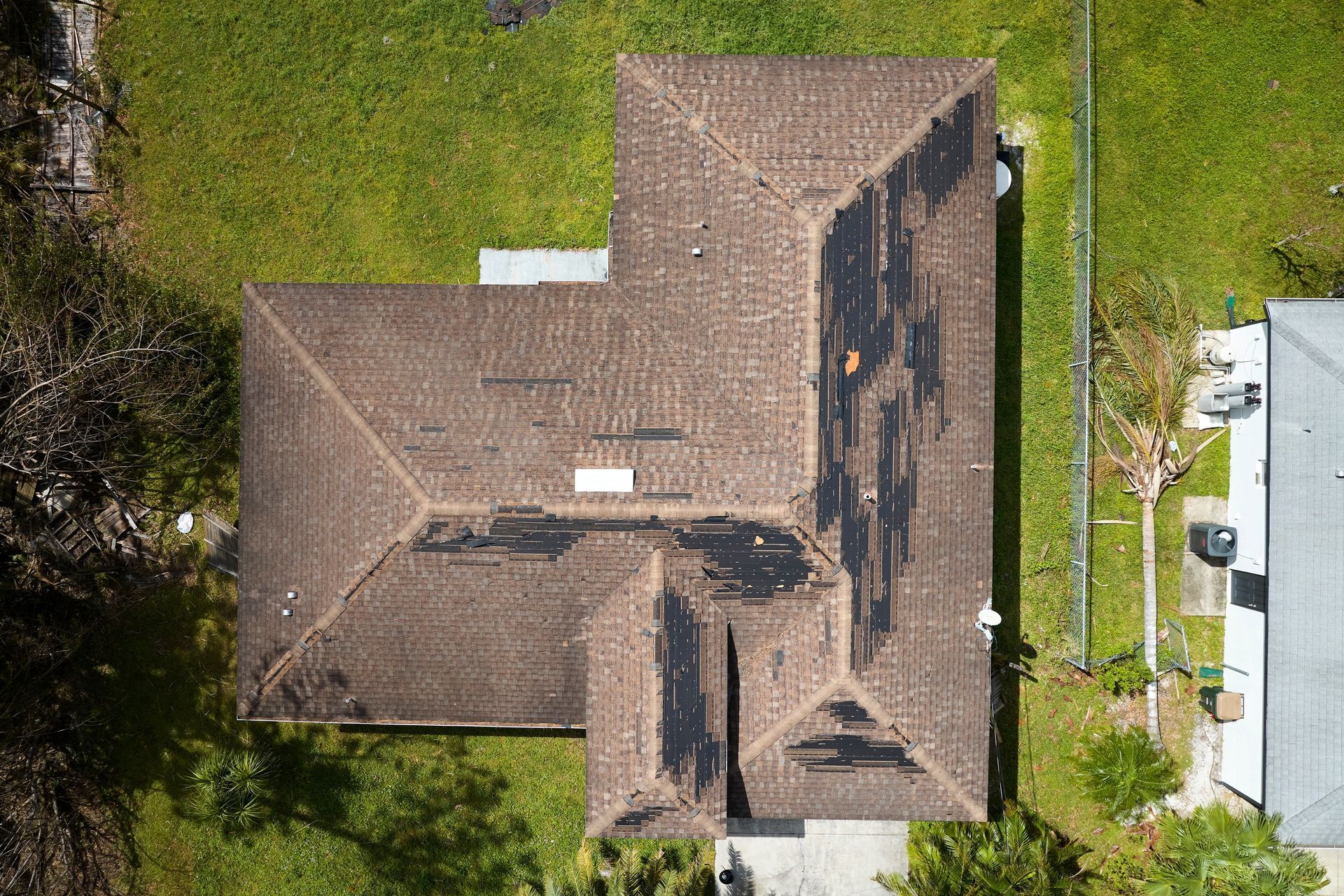
Aerial view of widespread wind and storm damage on an asphalt shingle roof Open water wind

Lakes Can Give Gusts A Clear Route To The Roof

Lakefront homes and properties near open development may have less protection from buildings and trees. Edges, ridges, vents, and wall flashing often deserve the first close look.

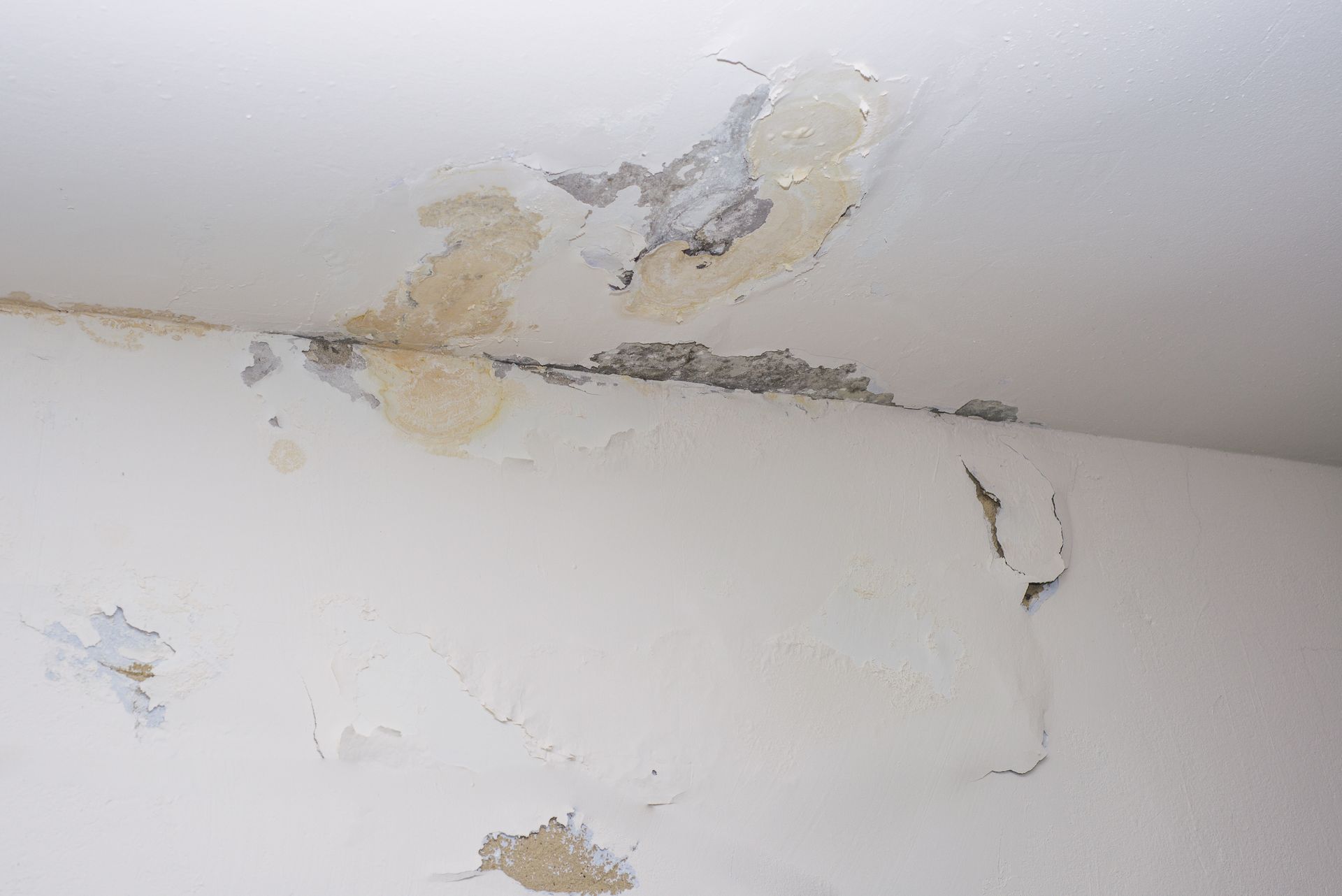
Interior ceiling and wall damage caused by a roof leak Concentrated runoff

Complex Rooflines Send Water Through A Few Critical Valleys

Dormers, covered entries, towers, and intersecting roof levels can direct several slopes into one valley. A small installation error becomes much more important during a hard summer downpour.

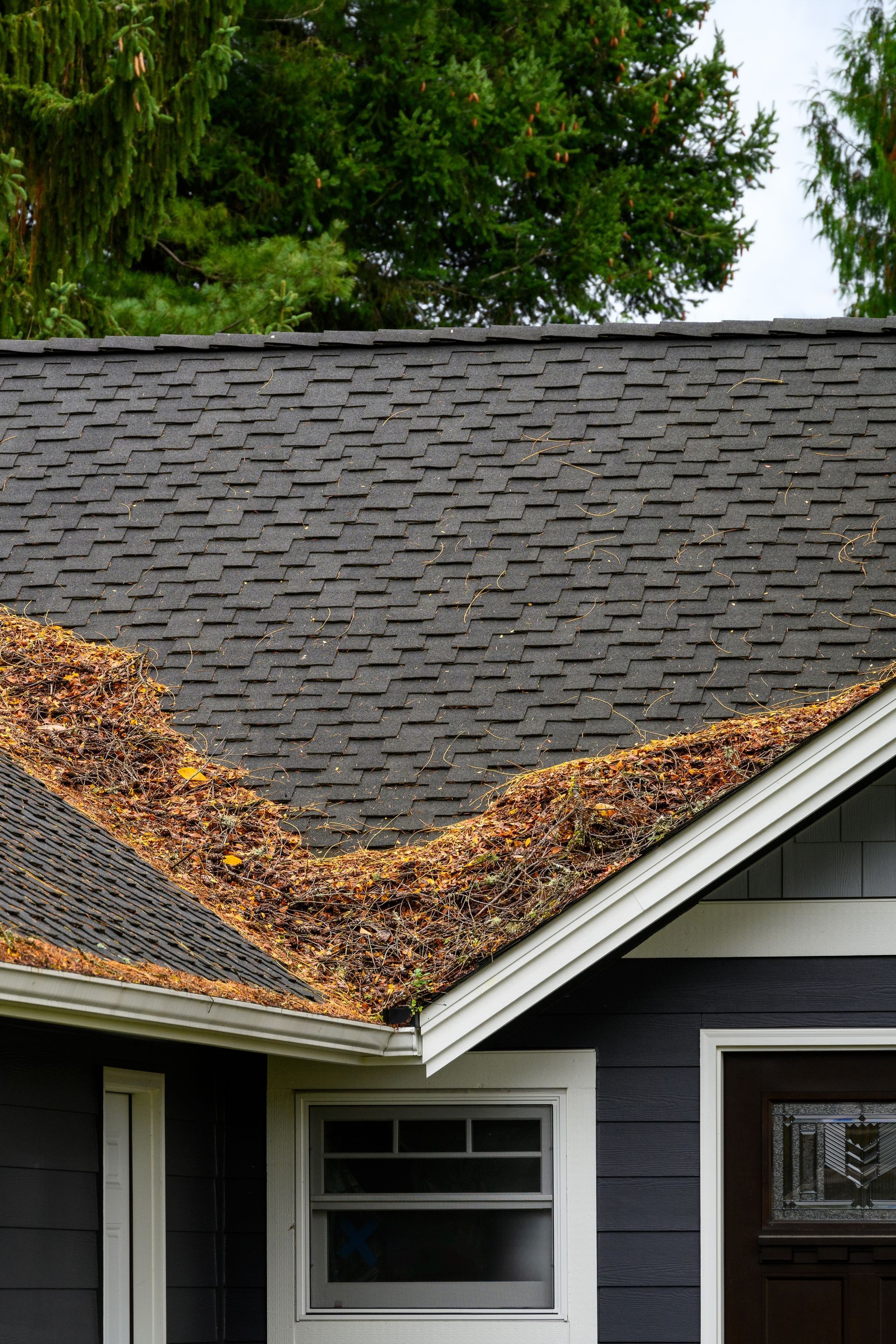
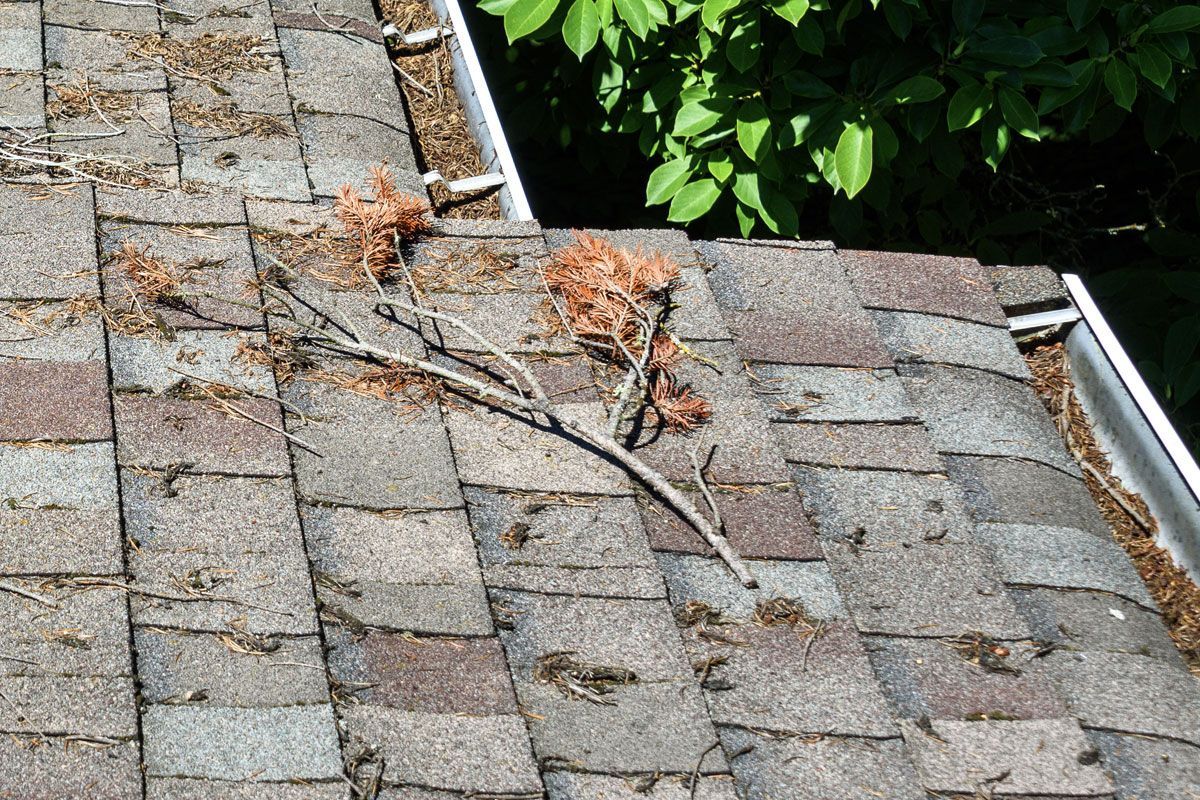
Tree debris collected in the valley of an asphalt shingle roof Tree canopy

Established Neighborhoods Hold Debris In Hidden Corners

Leaves and seed pods collect behind chimneys, beside dormers, and at low slope transitions. Debris can slow drainage and keep flashing damp after the exposed roof has dried.

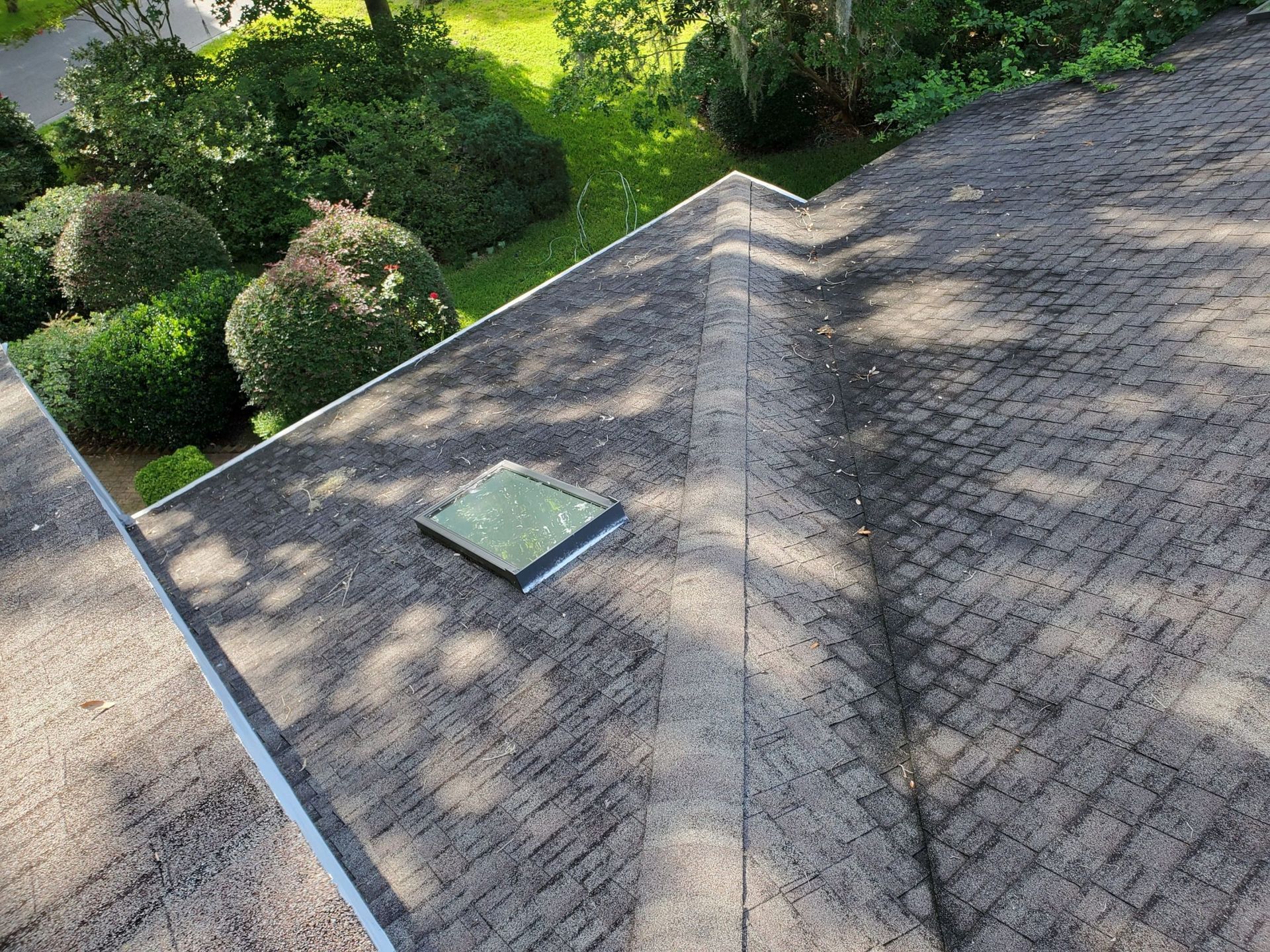
Aged asphalt shingles showing weather exposure on a Florida roof Additions

Patios And Garage Expansions Create Mixed Assemblies

An enclosed porch or later addition may use a different pitch, underlayment, and flashing method than the original house. We evaluate that connection as its own roof condition.

Debris resting on a residential roof after Florida weather Drainage pressure

Blocked Water Paths Push Runoff Toward Walls

Granules and plant debris can restrict gutters, valleys, and scuppers. When water slows down, it may move sideways toward wall flashing or roof openings that normally stay dry.

Orange County roofing varies by neighborhood

Older City Blocks, Lakefront Lots, And New Communities Need Different Inspections

Roof access, tree cover, valley count, property use, home design, and permitting authority can change within a short drive. We use the address and the actual roof configuration to shape the inspection.

West Orange and Horizon West

Large newer homes often include steep sections, covered entries, tile accents, long valleys, and multiple roof levels. Water management has to be coordinated across the entire design.

Orlando and central Orange neighborhoods

Older houses may have enclosed patios, carports, low slope additions, several vent replacements, and limited job site access. We look for where new work was tied into the original roof.

Lake Nona, Avalon Park, and east Orange

Open construction areas and newer subdivisions can expose the roof perimeter to direct gusts. Starter material, edge metal, ridge fastening, and penetrations receive close attention.

Winter Park, Maitland, Apopka, and lake communities

Mature canopy and nearby water create a mix of shade, debris, humidity, and wind access. One roof plane may remain damp long after the street facing side looks dry.

The roof is a complete assembly

Surface Material Cannot Compensate For Weak Layers Below It

A dependable Orange County roof needs solid decking, continuous water protection, correct flashing, useful attic airflow, secure edges, and clear drainage. Each part supports the next when heat and sudden rain arrive together.

Decking that can hold the system

We look for soft areas, separation, sagging, prior patching, and weak fastening before new roofing is installed. Covering damaged sheathing only hides the problem.

A continuous water barrier

Underlayment protects the deck when wind driven rain gets past the surface. Its placement is especially important at valleys, low slope sections, edges, and roof openings.

Purpose built flashing

Chimneys, walls, skylights, boots, vents, and valleys need flashing that moves water away from the opening. Reused metal or a bead of sealant is not always a durable repair.

Airflow through the attic

Balanced intake and exhaust help reduce heat and moisture below the roof deck. Poor airflow can add stress to materials and increase comfort problems on upper floors.

Wind ready edges

Starter courses, drip edge, fascia transitions, gutter placement, and fastening work together at eaves and rakes. Those perimeter details receive direct wind pressure.

Valleys that stay open

Orange County homes with several roof levels may channel heavy runoff into one valley. Clean flow, correct cuts, and dependable protection below the surface are essential.

Workmanship that protects the investment

The Most Important Details Are Often Hard To See From The Yard

A roof can appear uniform while hiding poor cuts, reused flashing, exposed fasteners, blocked vents, or weak transitions. We inspect and scope the details that control long term water movement.

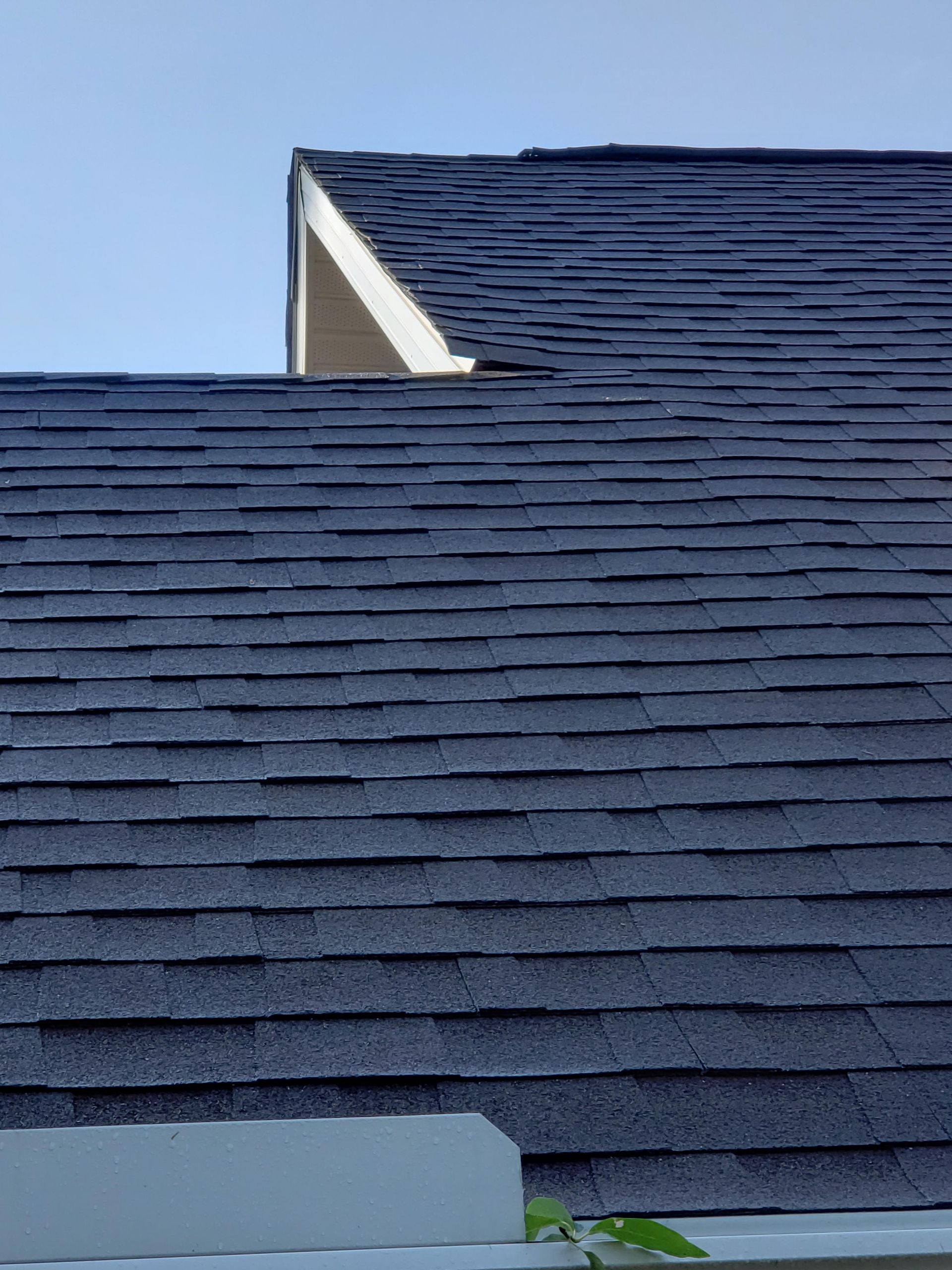
Poor asphalt shingle installation around a roof transition
Installation quality

New Material Needs Correct Work At Every Change In Direction

Valleys, walls, dormers, penetrations, and low slope tie ins should be planned before material is laid. Careful sequencing keeps water moving over the roof instead of beneath it.

  • Check each wall, valley, roof opening, and slope transition.
  • Use components that are compatible with the selected roof system.
  • Replace worn flashing and boots instead of covering them with sealant.
  • Keep intake, exhaust, gutters, and runoff paths open and coordinated.
Close-up of loose asphalt shingle granules from roof wear
Existing roof condition

One Worn Area Does Not Tell The Whole Story

A useful inspection compares exposed slopes, shaded slopes, additions, and earlier repairs. The roof should be evaluated as a group of connected sections, not a single photograph.

  • Compare material flexibility and attachment on every roof plane.
  • Identify recurring leaks and the details previous repairs missed.
  • Confirm whether nearby roofing can accept a lasting repair.
  • Review deck, underlayment, ventilation, and flashing before deciding.
Making the repair decision

Fix One Area When You Can, Replace The Roof When You Should

We consider damage location, roof age, material condition, leak history, deck strength, and whether the repair can connect cleanly to surrounding roofing. The recommendation should make financial and technical sense together.

A repair can be sensible

The Problem Is Defined And The Rest Of The Roof Is Serviceable

  • One boot, vent, wall connection, chimney detail, or short valley is leaking.
  • Only a limited group of shingles or accessories is damaged.
  • Nearby material remains flexible, sealed, and firmly attached.
  • The deck is sound and the full water path can be corrected.
  • Previous repairs are limited and other roof planes remain dependable.
Replacement may be wiser

Failures Are Repeating Across Several Sections

  • Water has entered through more than one room or roof transition.
  • Brittleness, lifting, cracking, or granule loss covers broad areas.
  • Storm or debris damage reaches several ridges, edges, or valleys.
  • Decking, underlayment, flashing, and airflow need one coordinated project.
  • Another patch would postpone a roof wide condition that is already clear.
Selecting a roof system

Choose A Material That Fits The Architecture And The Way You Use The Home

Roof pitch, structure, neighborhood requirements, tree cover, lake exposure, maintenance, budget, and ownership plans all matter. We compare the system on the actual house rather than recommending one material for every Orange County property.

Architectural shingles

Architectural shingles work on many Orange County roof shapes and offer broad color and price choices. Their value depends on correct underlayment, ventilation, flashing, perimeter work, and installation around complex valleys.

  • A flexible option for primary homes, rentals, and renovation projects.
  • Product selection should follow ventilation and roof condition review.
  • Premium profiles can complement both older and newer home styles.

Metal roof systems

Metal can support a long ownership plan and a distinct appearance, but panel movement, roof openings, valleys, finishes, edge conditions, and neighborhood rules should be reviewed first.

  • Standing seam and exposed fastener panels have different maintenance needs.
  • Complex roof geometry increases the importance of custom flashing details.
  • The upfront investment is often higher than architectural shingles.

Tile and specialty materials

Tile is familiar in many Orange County communities, yet the underlayment, structure, broken pieces, flashing, access, and number of valleys determine how practical a repair or replacement will be.

  • The waterproof layer below the tile usually controls leak resistance.
  • Structure and fastening may need added review during replacement planning.
  • Material approval should follow an inspection and any community requirements.
What working with Revildor looks like

A Practical Process From First Look To Final Walkthrough

You should know what we found, why it matters, what the scope includes, and how the job will affect your property. We keep those decisions visible throughout the project.

1

Review the roof and the property

We inspect visible wear, leak history, roof geometry, wall transitions, ventilation, drainage, access, tree cover, and any recent storm changes.

2

Explain the evidence

Photos and clear notes show where the concern begins and how it relates to the surrounding roof sections.

3

Build options around the condition

We compare a defined repair with replacement using roof age, material integrity, damage extent, repair history, and likely service life.

4

Confirm details before production

The scope addresses material, permits, decking, underlayment, flashing, ventilation, access, protection, cleanup, schedule, and warranty information.

5

Complete, clean, and review

We carry out the agreed work, manage debris, protect the site, inspect important details, and review the finished system with you.

Did a storm expose a weak point on the roof?

A Valley Or Wall Leak Can Travel Well Beyond The Entry Point

Call when a new ceiling spot appears, roofing has shifted, ridge material is loose, flashing is bent, a branch struck the roof, or granules suddenly collect in the gutters.

Roofing coverage throughout Orange County

We Schedule Work In Cities, Planned Communities, And Unincorporated Areas

Revildor serves Orange County based on the exact address and roofing scope. Our coverage includes West Orange growth, central city neighborhoods, tree covered northern communities, lakefront properties, and open areas east and southeast of Orlando.

West Orange and the 429 corridor

New subdivisions, waterfront lots, varied elevations, tile accents, and multi plane roof designs require careful coordination of valleys and wall flashing.

Winter Garden Windermere Ocoee Oakland Horizon West

Orlando and central county neighborhoods

Mixed roof ages, additions, compact driveways, mature landscaping, and low slope sections can affect both inspection access and production planning.

Orlando Pine Hills College Park

North Orange and established lake communities

Tree canopy, older homes, lake influence, and repairs from different periods can create uneven aging across the same roof.

Apopka Maitland Winter Park

East Orange and southeast growth areas

Larger planned developments, open wind paths, long roof runs, and direct afternoon weather make perimeter and drainage details especially important.

Lake Nona Avalon Park Wedgefield
Revildor team reviewing roofing project documentation at a Central Florida jobsite
Why Orange County homeowners call Revildor

Roofing Advice Is Better When It Comes From People Who Understand The Assembly

Revildor is family owned and operated and has served Central Florida since 2007. The team brings installation knowledge, inspection experience, storm documentation, and project communication to roofs ranging from older Orlando homes to newer multi level properties.

Central Florida experience since 2007 A long local operating history that includes projects in Orlando and Apopka.
More than 2,500 inspections cited by Revildor Experience reviewing visible roof and property conditions across many building types.
CertainTeed ShingleMaster™ Pro Training that supports sound asphalt shingle installation and system details.
Two Florida contractor licenses CCC1328368 and CGC1508771, as published by Revildor.
  • We explain what the photos show and what they do not prove.
  • We recommend repair or replacement from the condition in front of us.
  • We compare materials against roof shape, budget, community, and ownership goals.
  • We plan access, landscaping protection, cleanup, and the final review in advance.
Continue your roof research

Use These Resources To Compare The Next Step

Frequently asked questions about roofing in Orange County

Questions Homeowners Ask Before They Sign A Roofing Proposal

These answers cover estimates, scheduling, permits, community requirements, materials, storm inspections, and the mix of roof designs found across Orange County.

What determines the price of roofing work in Orange County?

The estimate depends on roof area, pitch, height, material, removal, access, decking repairs, underlayment, flashing, ventilation, permits, disposal, valleys, and penetrations. Tile removal, dense landscaping, a compact driveway, or a large multi level roof can add labor and protection needs. We price the inspected scope rather than relying on square footage alone.

How long does an Orange County roof replacement usually take?

The production portion depends on roof size, complexity, material, decking repairs, weather, and inspection requirements. Preparation also includes material ordering, permit processing, scheduling, and any community approvals. We give you a realistic sequence after the roof and site are reviewed.

Do I need HOA or architectural approval before choosing a roof color?

Many planned communities have color, profile, or material guidelines, but the rules vary by association. You are responsible for confirming the approval process unless the written scope says otherwise. We can provide product information that helps you submit the selection.

Which permitting office handles my Orange County roof project?

The authority depends on whether the home is in unincorporated Orange County or inside a municipality such as Orlando, Winter Garden, Ocoee, Apopka, Maitland, or Winter Park. Roof replacement commonly requires a permit. We identify the likely jurisdiction and state permit and inspection responsibilities in the proposal.

Can a leak on a complex roof be repaired without replacing everything?

Often it can, when the entry point is defined and nearby material remains serviceable. We inspect valleys, sidewalls, chimneys, boots, low slope tie ins, decking, and repair history before making that call. Replacement becomes more sensible when the same weaknesses appear across several connected sections.

Are shingles, metal, or tile best for an Orange County home?

The right choice depends on the structure, roof shape, neighborhood rules, tree cover, heat, wind exposure, budget, maintenance, and ownership plan. Shingles fit many homes, metal may support a longer ownership horizon, and tile requires careful review of weight and underlayment. We compare them on the actual property.

Should I schedule an inspection after a severe thunderstorm without an indoor leak?

Schedule one when you see missing material, lifted edges, loose ridge caps, bent flashing, branch impact, exposed underlayment, or an abrupt change in one roof plane. Openings can exist before water reaches a finished ceiling. Avoid walking on the roof and document visible changes from the ground.

Do you work in both Orange County cities and unincorporated areas?

Yes. We schedule residential roofing in Orlando, Winter Garden, Windermere, Ocoee, Oakland, Horizon West, Apopka, Maitland, Winter Park, Lake Nona, Avalon Park, Wedgefield, Pine Hills, and nearby areas. The exact address helps us confirm travel, jurisdiction, access, and appointment availability.

Ready to understand what the roof needs?

Talk With A Roofing Contractor Serving Orange County, FL

Tell us about the stain, loose material, branch impact, aging roof, or replacement plan. We will help you schedule the right inspection and make sense of the practical options for your property.