10 Things to Look for When Buying a Central Florida Home
10 Things to Look for When Buying a Home in Central Florida

A Roofing Checklist Every Homebuyer Should Know
Buying a home in Central Florida is exciting — but it can also come with hidden surprises, especially when it comes to the roof. A roof is one of the most expensive components of a home, and issues are not always obvious during a standard walk-through.
At Revildor®, we work with homeowners every day who discover roof problems after they’ve closed. This checklist highlights what to look for before you buy, so you can make a confident and informed decision.
1. Age of the Roof
Ask how old the roof is and request documentation if possible. In Central Florida, roof lifespan is often shorter due to heat, humidity, and storms.
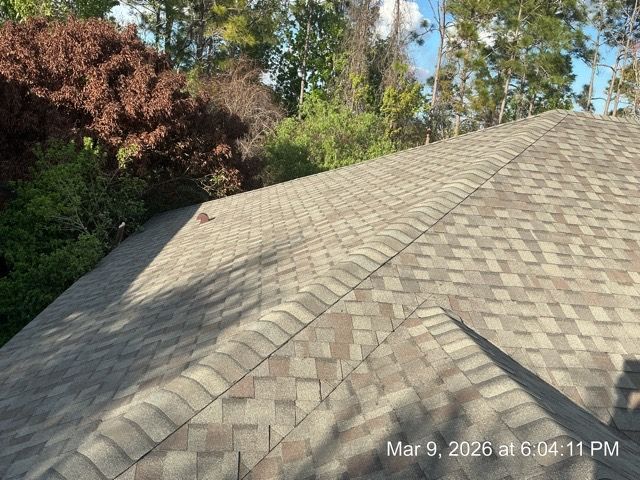
- Shingle roofs may last 20–30 years, depending on quality and installation
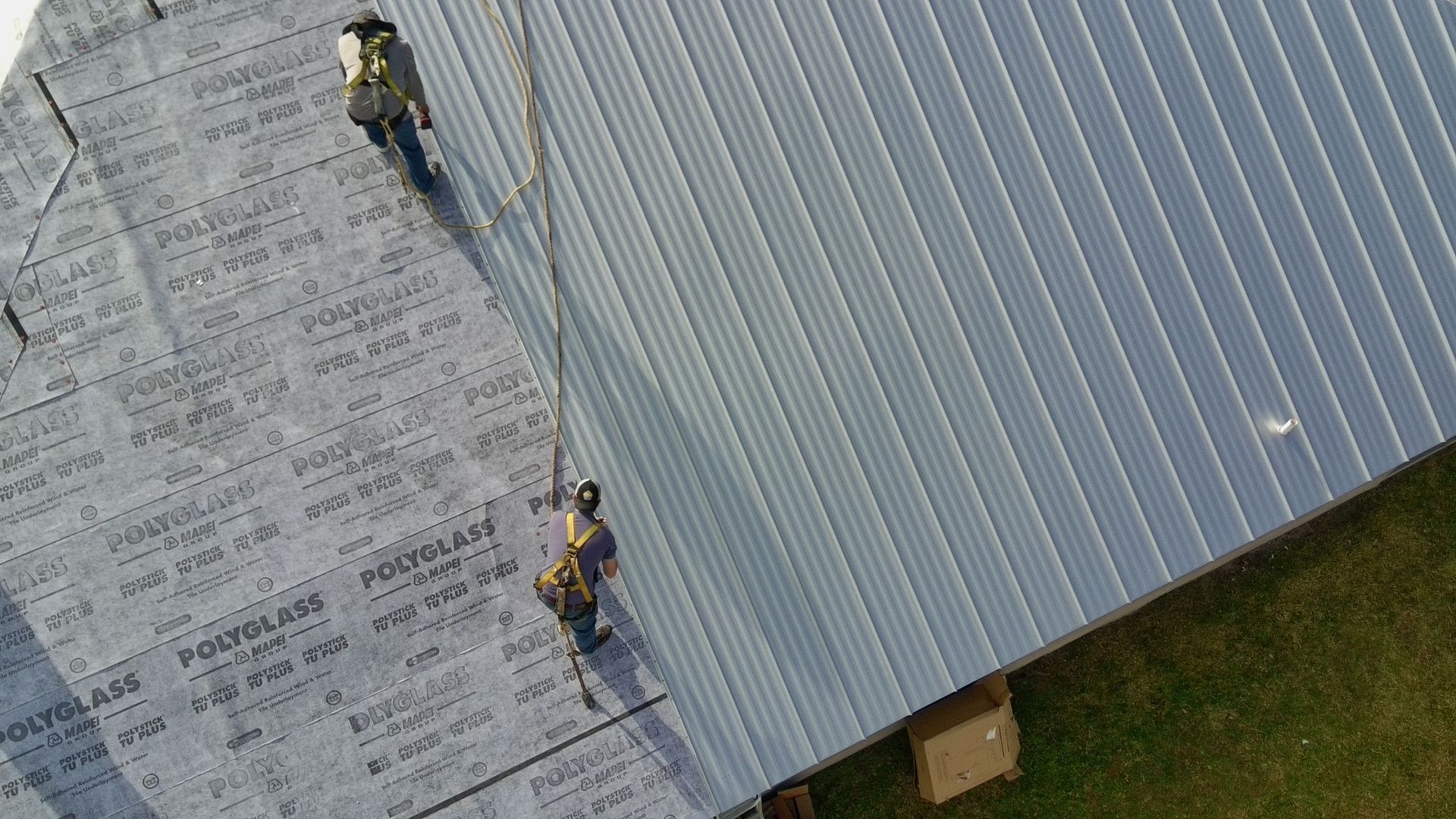
- Metal roofs often last 40+ years
Knowing the roof’s age helps you plan for future costs and insurance requirements.
2. Signs of Previous Repairs or Patchwork
Look for mismatched shingles, uneven areas, or visible patches. While repairs aren’t always a red flag, frequent or poorly done repairs can indicate ongoing issues.
Multiple repairs may suggest:
- Past storm damage
- Improper installation
- Underlying leaks
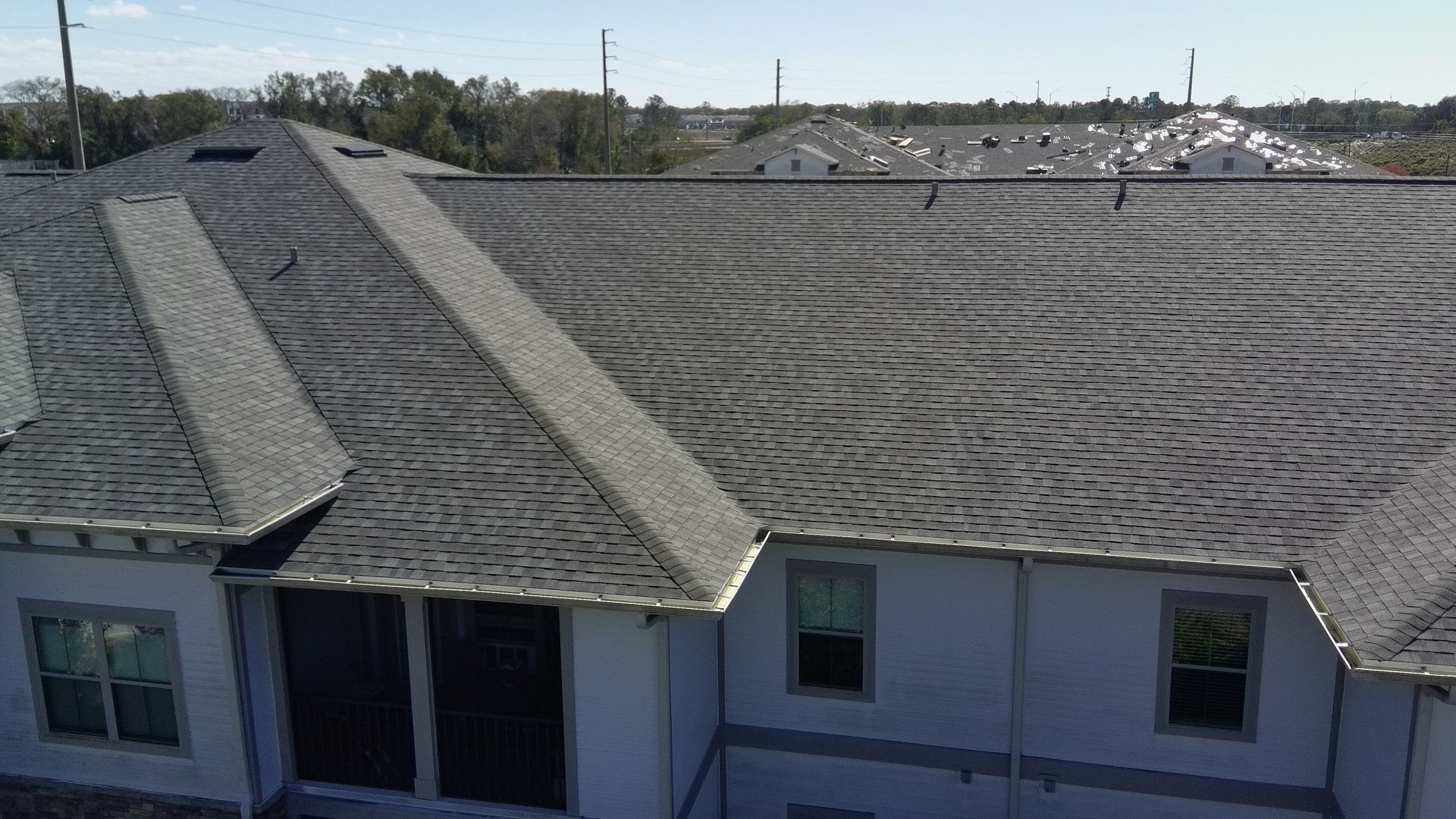
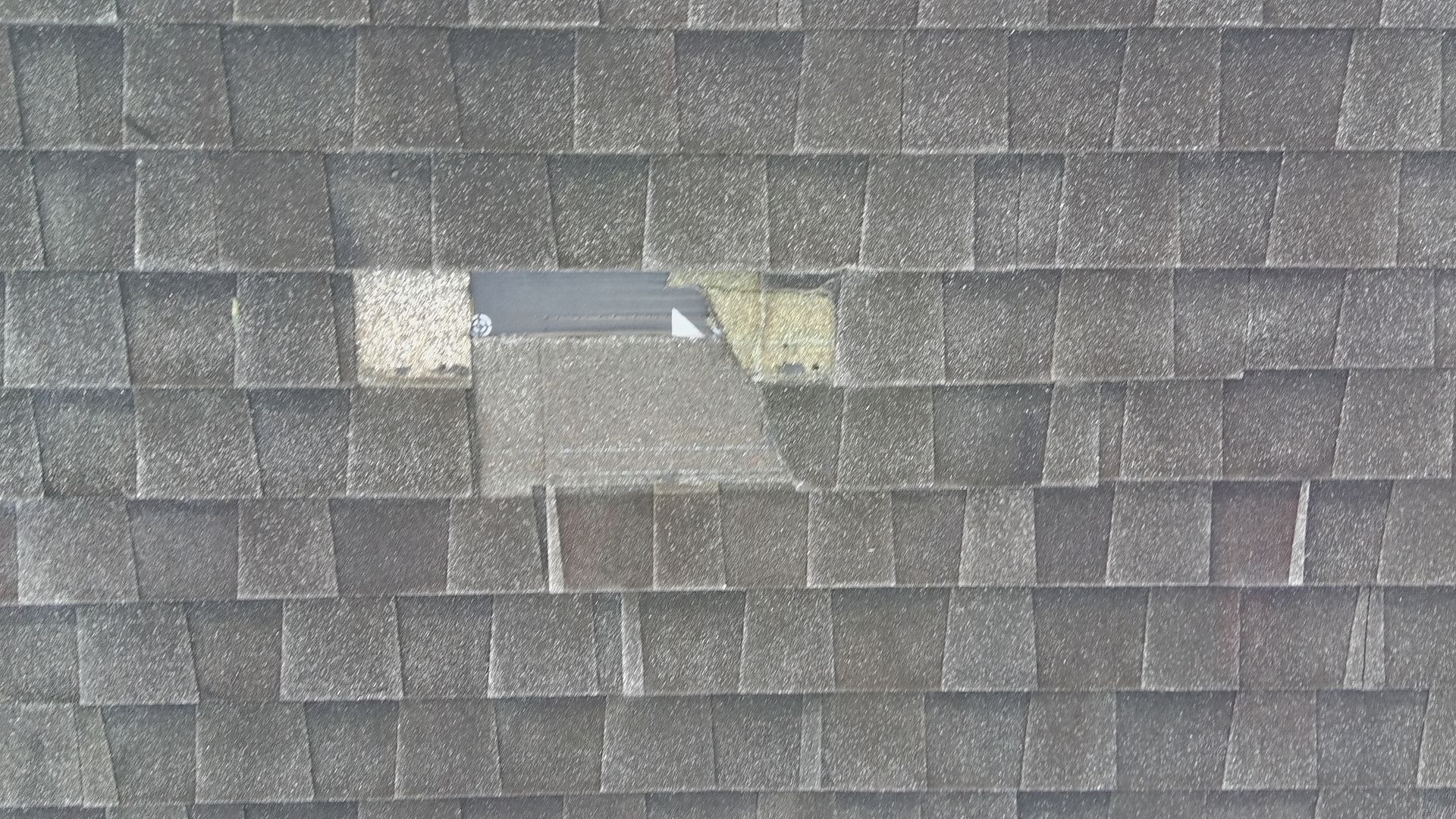
3. Visible Storm or Wind Damage
Central Florida homes are exposed to strong winds and heavy rain. From the ground, look for:
- Missing or lifted shingles
- Bent or loose metal panels
- Damaged flashing around chimneys or vents
Even minor damage can worsen quickly in Florida’s climate.
4. Roof Sagging or Uneven Areas
A roofline should appear straight and even. Sagging or dips may indicate:
- Structural issues
- Water damage
- Long-term moisture intrusion
This is a serious concern and should be evaluated professionally.
5. Attic Condition and Ventilation
If possible, check the attic or ask your inspector about it. Poor ventilation can significantly shorten a roof’s lifespan.
Red flags include:
- Excessive heat buildup
- Mold or mildew
- Signs of moisture or staining
Proper ventilation is critical in Central Florida.
6. Flashing Around Penetrations
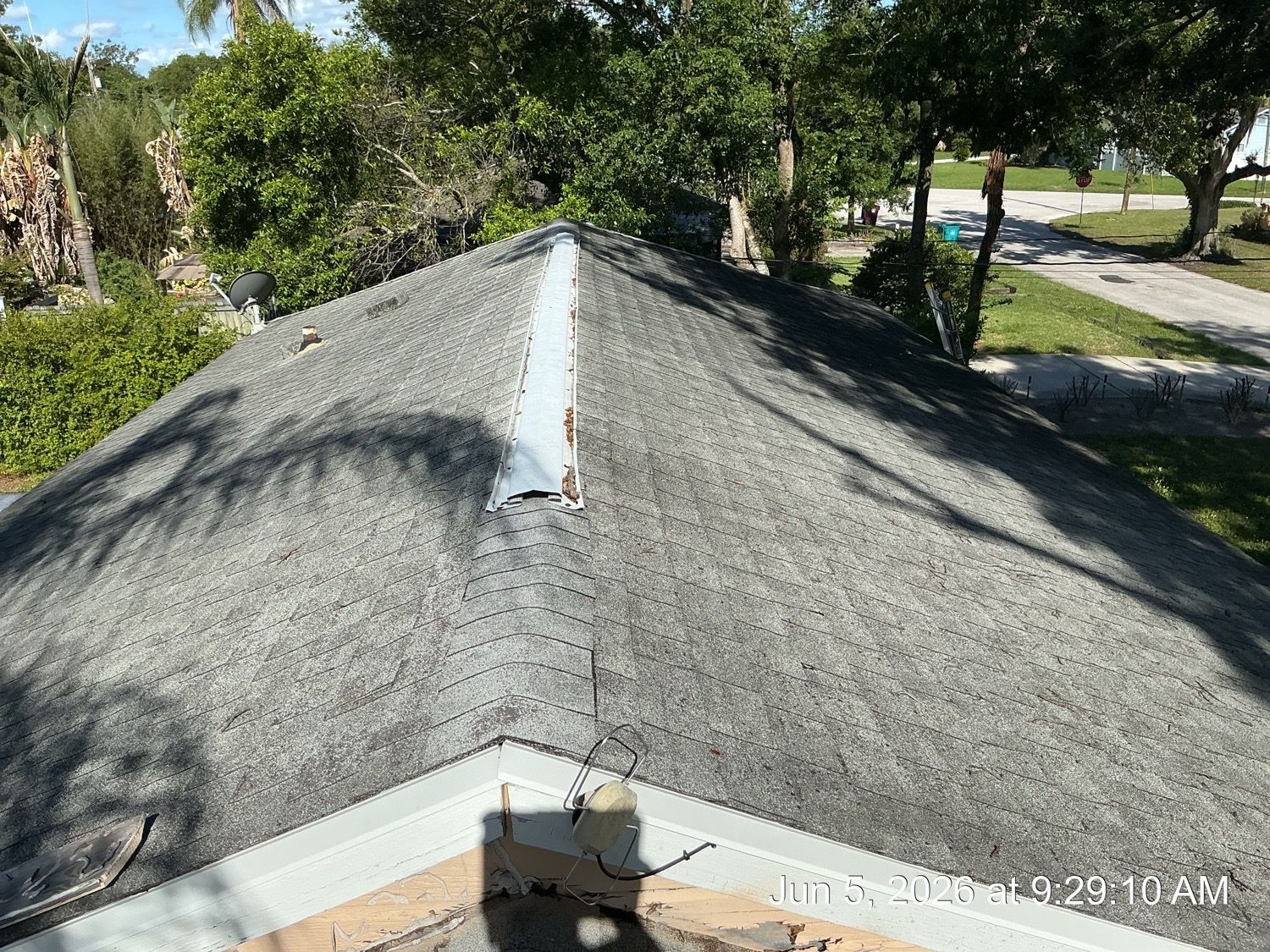
Flashing protects areas where the roof meets vents, skylights, and walls. Improper flashing is a leading cause of roof leaks.
Look for:
- Rusted or loose flashing
- Sealant smears instead of proper flashing
- Gaps around penetrations
7. Gutters and Drainage
Improper drainage can lead to roof and foundation problems.
Check for:
- Clogged or sagging gutters
- Water stains along fascia
- Signs of water pooling
Florida’s heavy rains demand proper drainage systems.
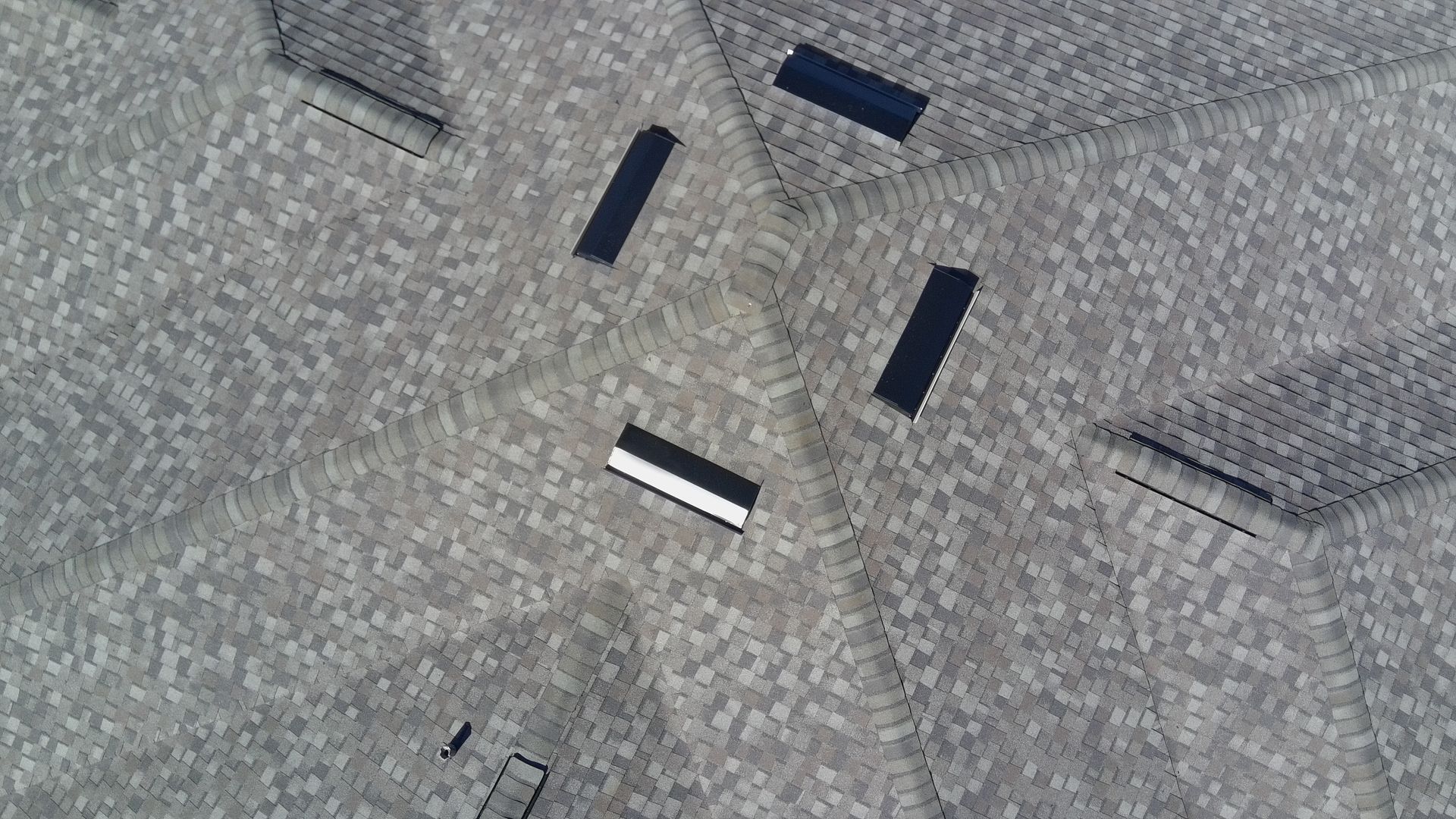
8. Roofing Material Type
Understanding what type of roof the home has matters for longevity, insurance, and maintenance.
Common Central Florida options include:
- Asphalt shingle roofs
- Metal roofs
Each has different costs, lifespans, and performance characteristics.
9. Permits and Documentation
Ask if the roof was installed with proper permits and inspections. Unpermitted work can create legal and insurance complications later.
A reputable roofing project should always:
- Be permitted
- Meet Florida building codes
- Follow manufacturer installation guidelines
10. Insurance Considerations
Insurance companies in Florida pay close attention to roof age and condition.
Before closing:
- Confirm insurability
- Understand remaining roof life
- Ask how the roof affects premiums
A roof in poor condition can limit coverage or increase costs.