When it comes to maintaining your home’s exterior in Central Florida, pressure washing is often one of the first solutions homeowners in Orlando consider. With constant exposure to humidity, rain, pollen, and heat, surfaces around your home can quickly accumulate dirt, algae, and mildew. While pressure washing can be highly effective, it is important to understand that it is not suitable for every surface.
At Revildor, we often explain pressure washing in a simple way. Think of it as creating your own version of wind driven rain. During Florida storms, wind driven rain forces water into areas of your home that are normally protected. Pressure washing works in a similar way, but with even greater force and concentration. When used correctly, it can clean and restore surfaces. When used incorrectly, it can force water into places it should never go and cause serious damage.
Understanding where and how to use pressure washing is essential for protecting your home.
Where Pressure Washing Works
Best
Pressure washing is ideal for hard, durable surfaces that are designed to withstand force and moisture. One of the best examples is your driveway. Concrete driveways in Central Florida are constantly exposed to vehicle traffic, oil stains, dirt, and organic growth. Pressure washing can effectively remove these contaminants and dramatically improve curb appeal.
Sidewalks and walkways are also excellent candidates. Over time, algae and mildew can make these surfaces slippery and unsafe. Pressure washing not only cleans them but also helps restore a safer walking surface.
Patios and pool decks benefit greatly from pressure washing as well. Outdoor living is a big part of life in Orlando, and keeping these areas clean enhances both appearance and usability. Removing built up grime, pollen, and mildew makes these spaces more enjoyable for family and guests.
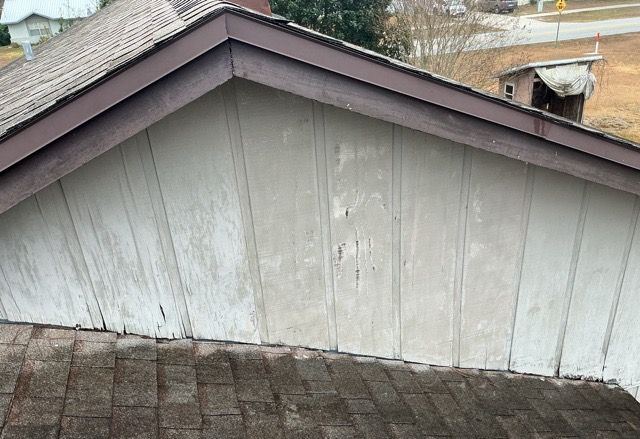
In some cases, exterior walls can also be cleaned with pressure washing, but this requires caution. Using too much pressure can damage siding or force water behind it. A lower pressure setting or a soft washing method is often the better choice for these areas.
Where Pressure Washing Should Be
Avoided
While pressure washing is effective, it should never be used on certain parts of your home. The risk comes from the same principle as wind driven rain. High pressure water can be forced into small gaps, seams, and vulnerable areas, leading to damage that may not be immediately visible.
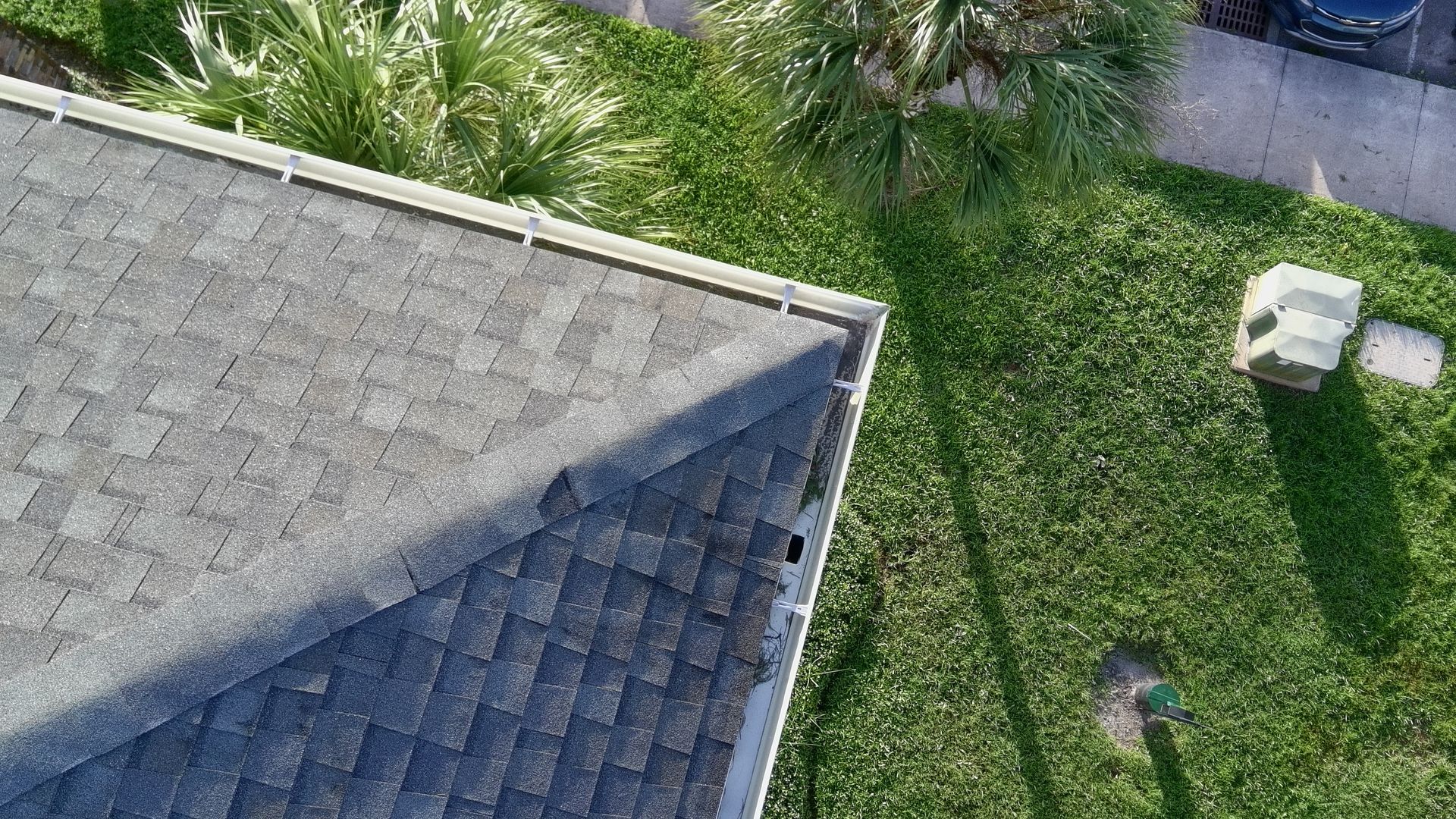
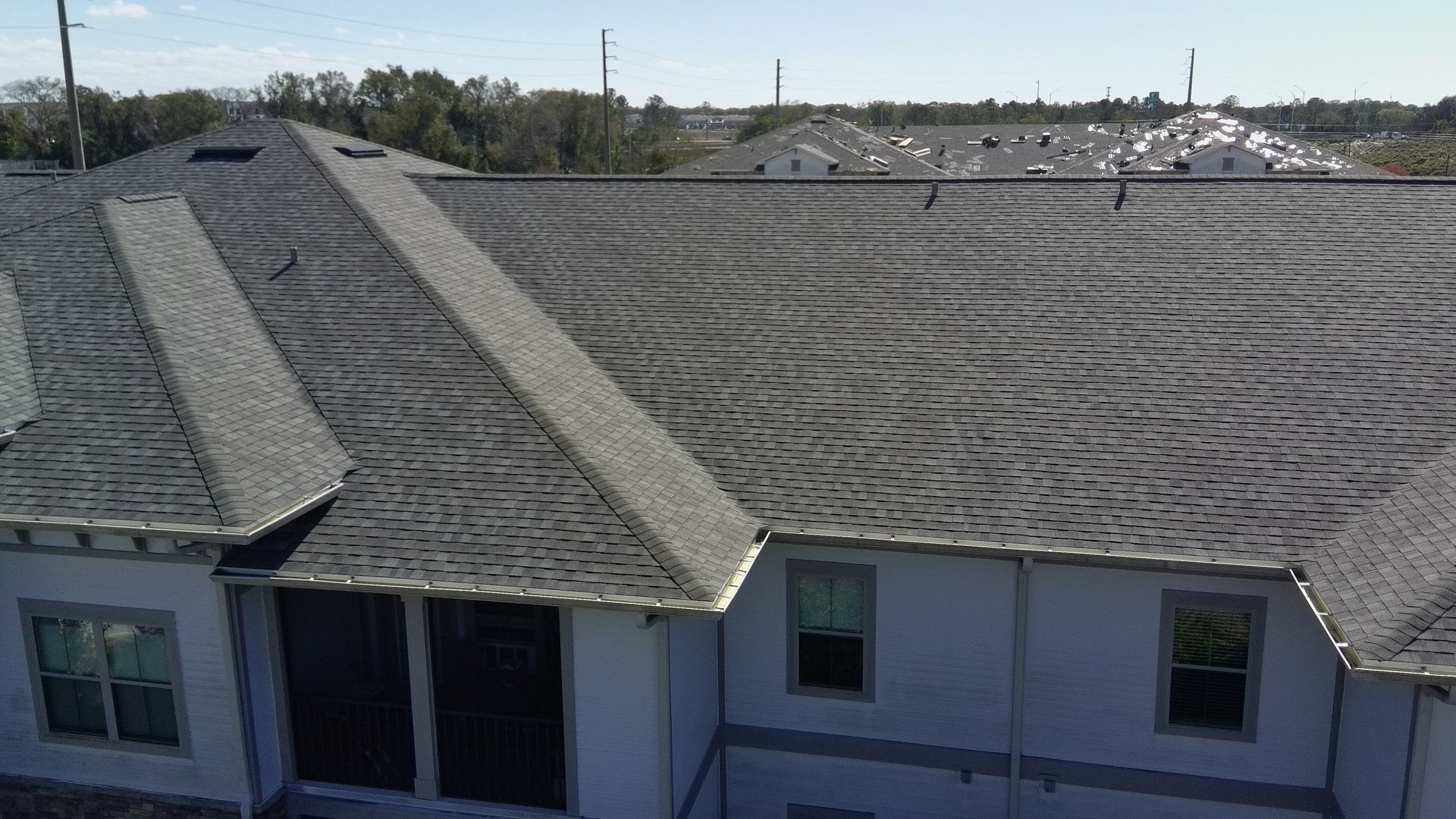
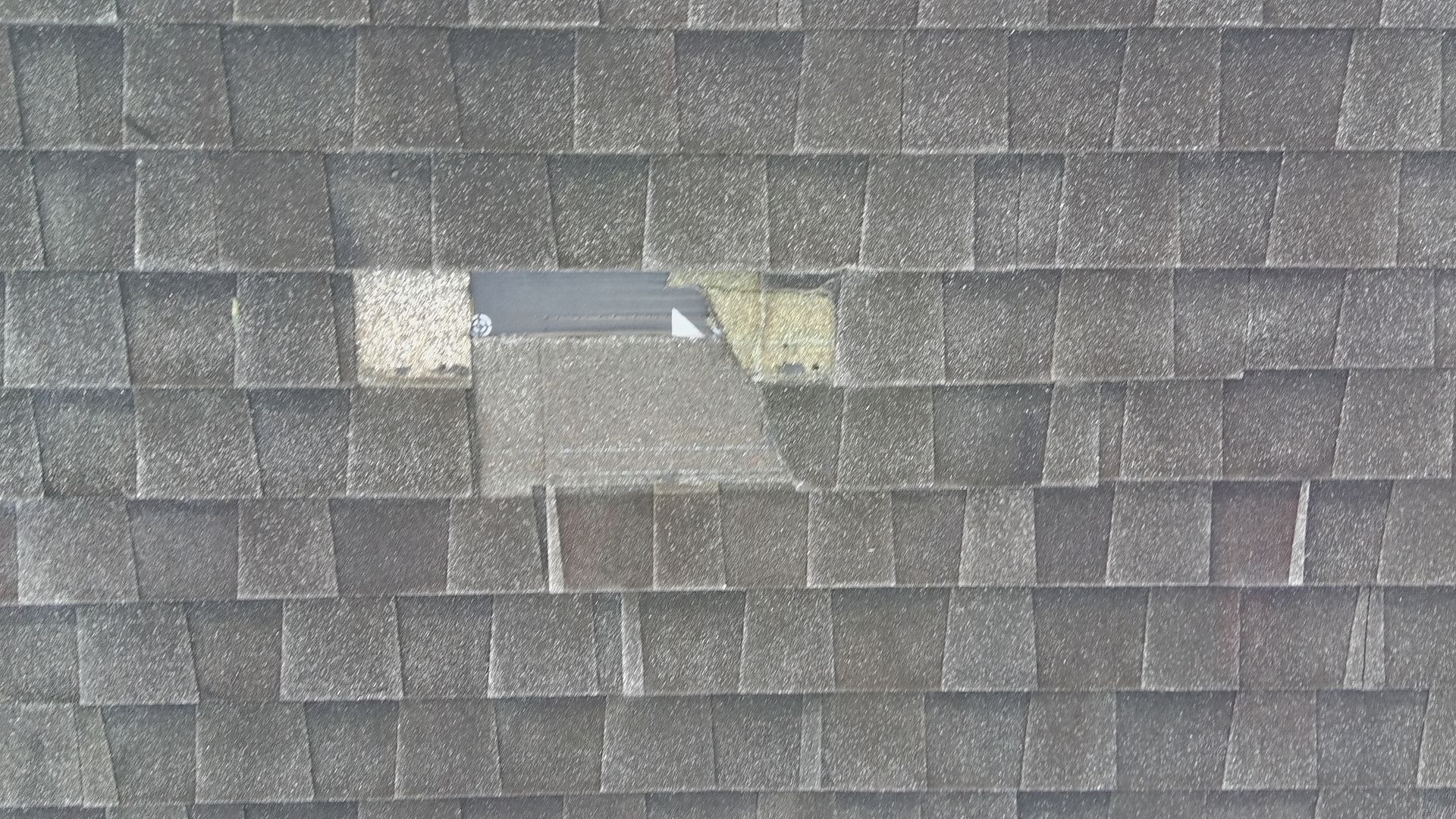
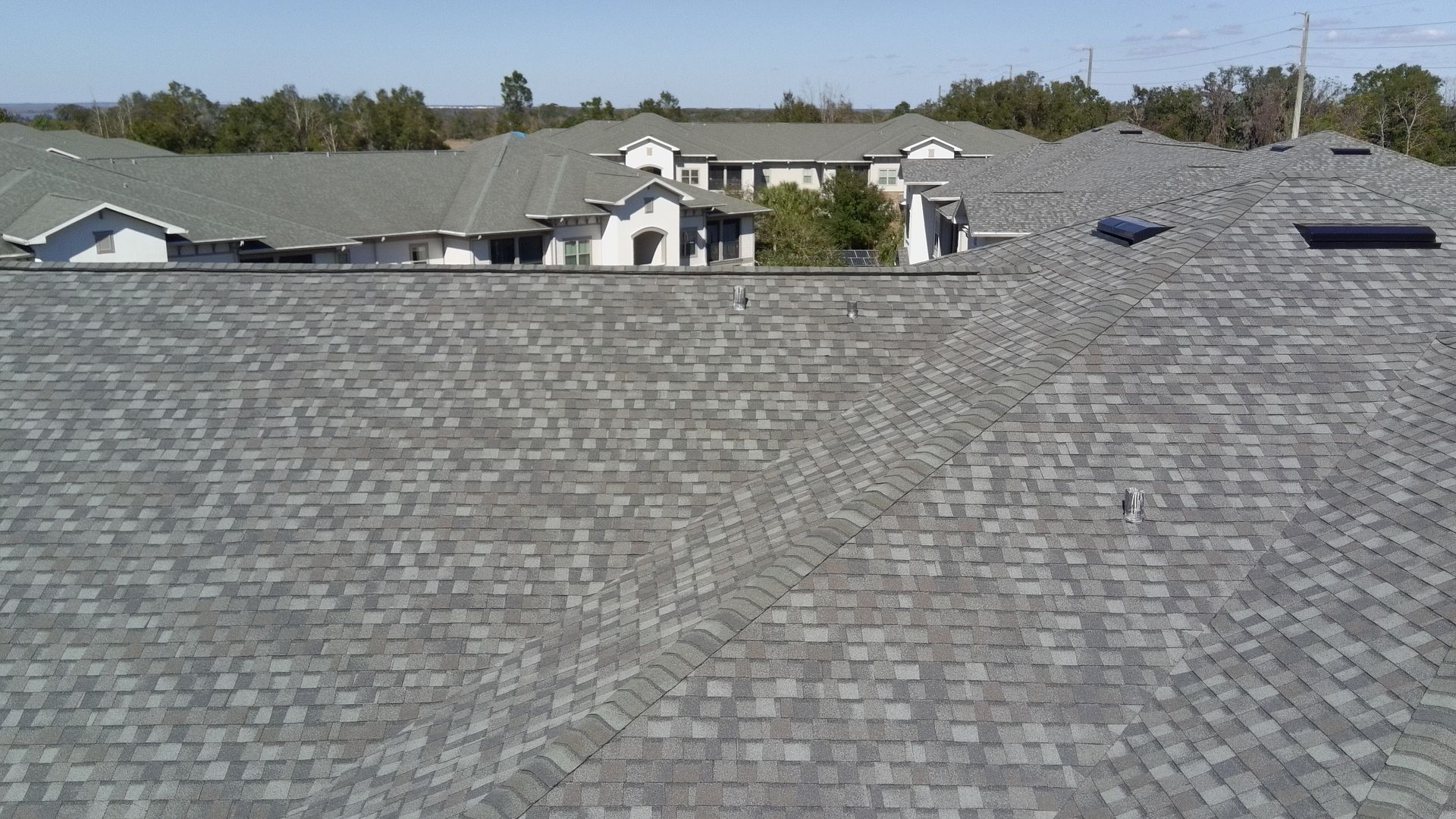
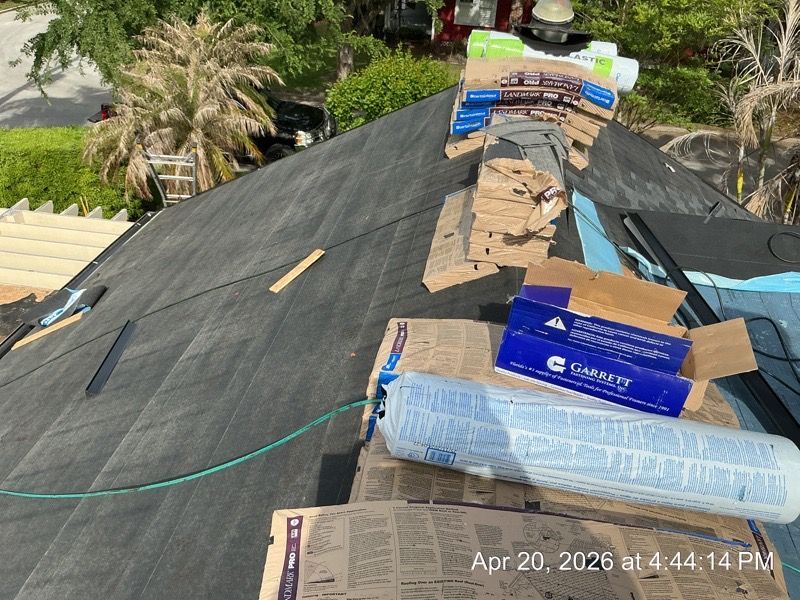
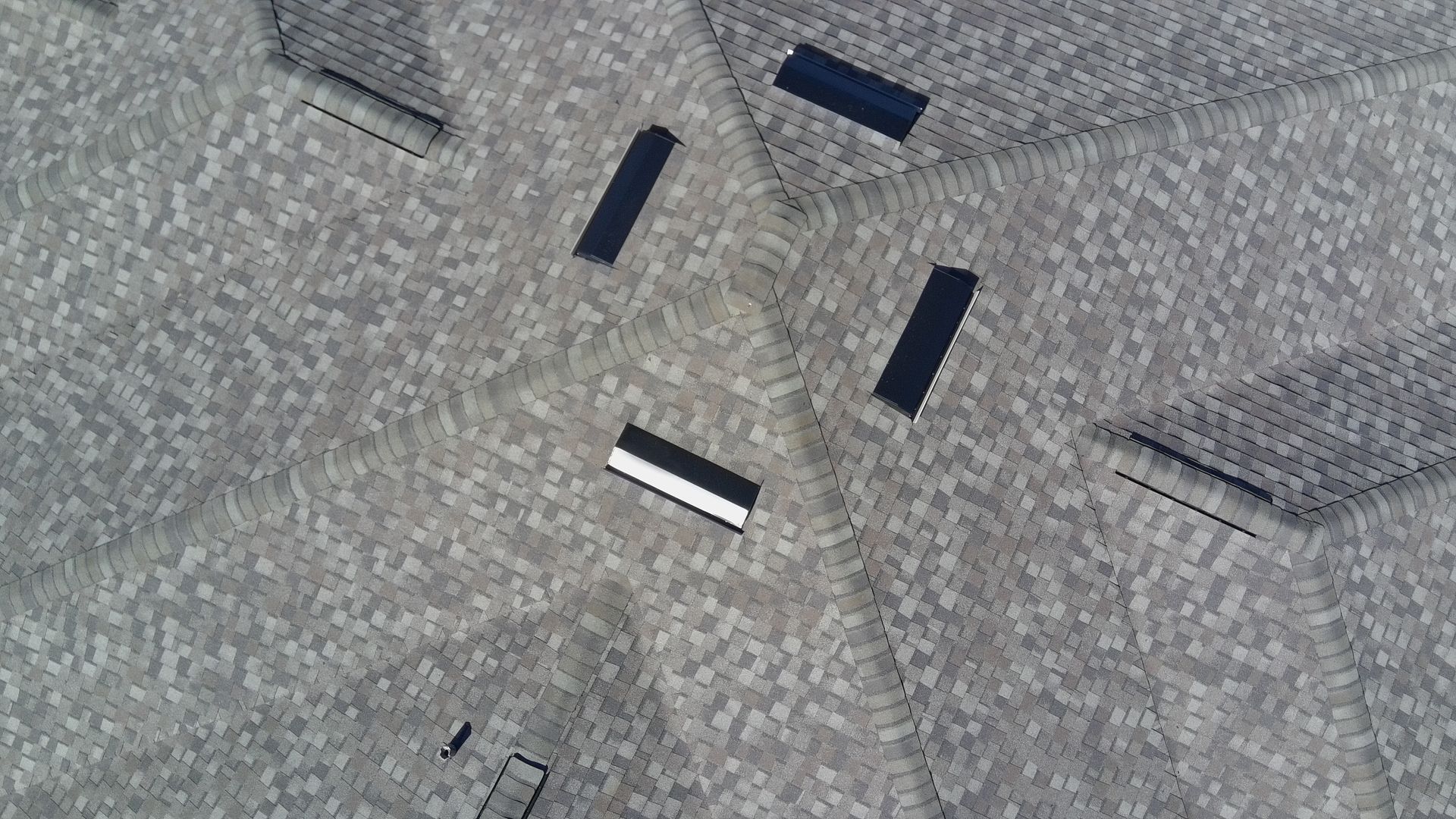
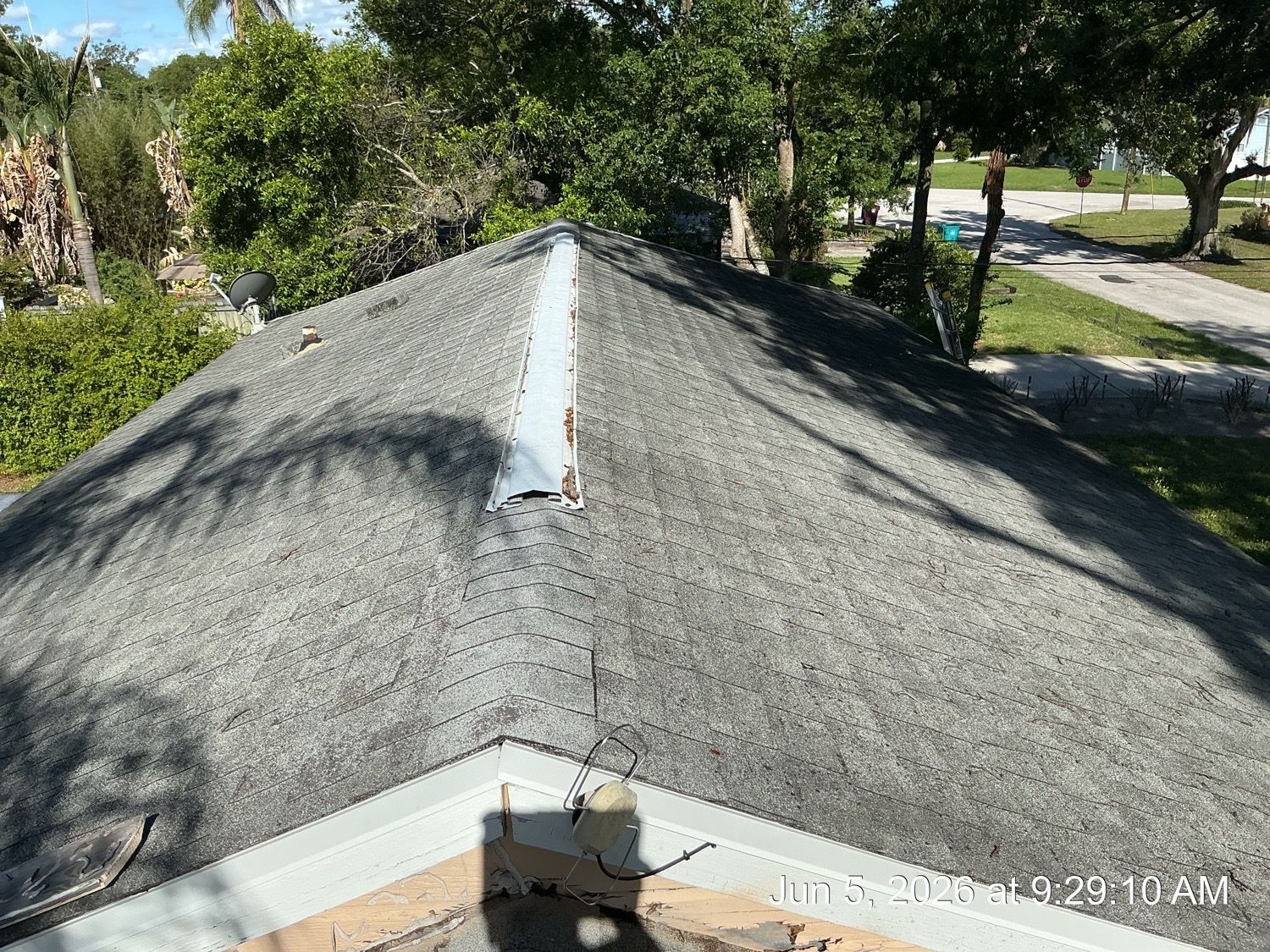
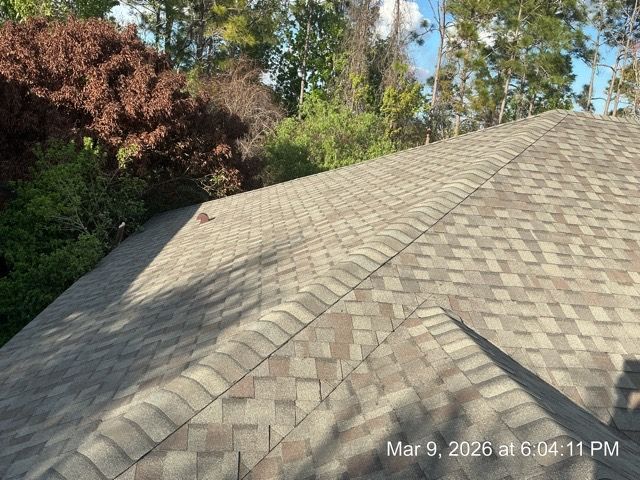
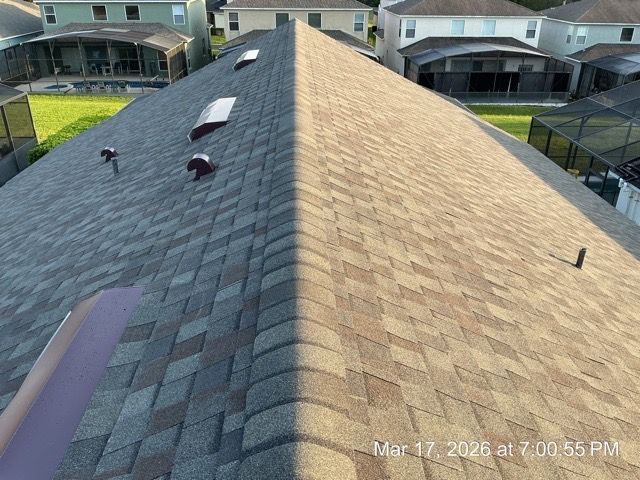
Your roof is one of the most important areas to avoid. Many homeowners assume pressure washing is a quick way to remove dark streaks or algae, but it can actually do more harm than good. On shingle roofs, the force of the water can strip away protective granules that shield the roof from sun exposure and weather. Once those granules are gone, the roof begins to deteriorate much faster.
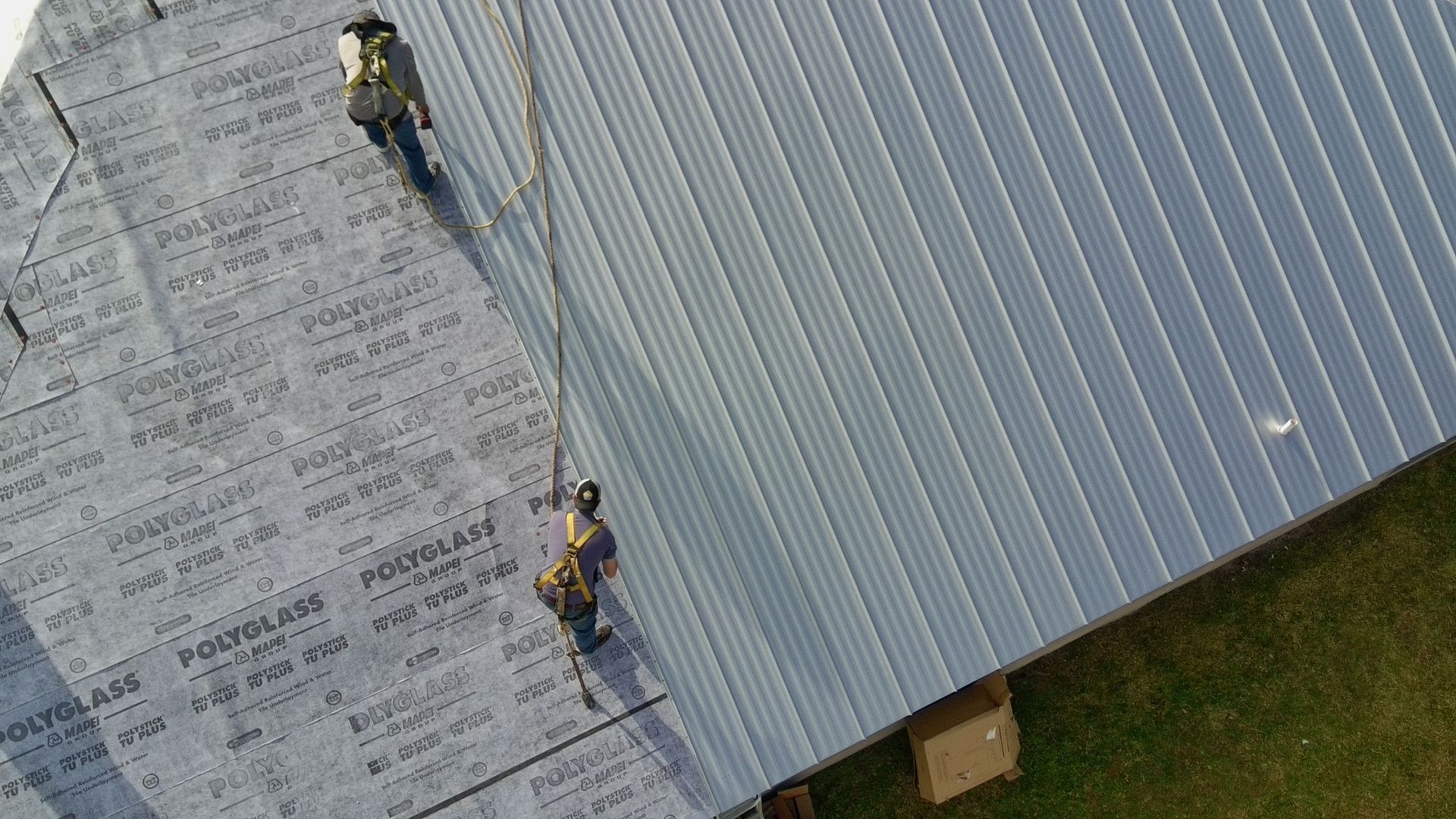
On metal roofs, pressure washing can loosen fasteners, damage protective coatings, and force water beneath panels. Just like wind driven rain during a storm, this can lead to leaks and long term structural issues.
Windows are another area where pressure washing should never be used. The force of the water can crack glass, break seals, and push water into the interior of your home. This can result in fogging between panes or even water damage inside your walls. Windows are designed to handle rain, but not the concentrated force of pressure washing.
Doors, especially those made of wood or with decorative glass, are also vulnerable. High pressure water can strip finishes, damage paint, and force moisture into areas that are meant to stay dry. Over time, this can lead to warping, rot, or seal failure.
Better Alternatives for Delicate Surfaces
Instead of relying on pressure washing for every surface, it is important to use the right cleaning method for each part of your home.
For roofs, Revildor recommends contacting a professional to inspect your roof prior to washing it. If washing is necessary, soft washing is the recommended approach. This method uses low pressure combined with specialized cleaning solutions to break down algae, mold, and dirt. It cleans effectively without causing damage and helps prevent future growth, which is especially important in the humid Central Florida environment.
Diagnosing the cause of any algae or mold is incredibly important and may save you thousands of dollars and increase the life expectancy of your roof.
Windows should be cleaned using a gentle method. A simple solution of water and mild soap, along with a soft cloth or squeegee, is usually all that is needed. This protects the glass and seals while still delivering a clean, streak free finish.
Doors can be cleaned in a similar way. Using a soft cloth, mild detergent, and a garden hose ensures that the surface is cleaned without exposing it to damaging pressure.
For siding, a soft wash system is often the best option. This method removes dirt and organic buildup while minimizing the risk of forcing water behind the material. It is a safer and more effective way to maintain the appearance of your home.
Why This Matters in Central Florida
Homes in Orlando and throughout Central Florida face unique environmental challenges. High humidity encourages mold and mildew growth, while frequent storms expose homes to wind driven rain on a regular basis. Adding high pressure washing into the mix without proper care can increase the risk of water intrusion and damage.
Because of these conditions, using the correct cleaning methods is not just about appearance. It is about protecting the structure and longevity of your home. Improper pressure washing can lead to costly repairs that far outweigh the benefits of a quick clean.
Trust Revildor for the Right Approach
At
Revildor
, we understand the specific needs of homeowners in Central Florida. Maintaining your home’s exterior requires more than just the right tools. It requires the right knowledge and techniques.
Pressure washing is a powerful and useful method when applied to the right surfaces like driveways, sidewalks, and patios. However, when it comes to roofs, windows, and doors, it is important to remember the impact of wind driven rain and how easily water can be forced into vulnerable areas.
By using safer alternatives like soft washing and gentle cleaning methods, you can keep your home looking its best while avoiding unnecessary damage. Taking the time to do it right will help protect your investment and ensure your home remains strong, clean, and beautiful for years to come.