Roof Leaks • Flashing • Damaged Roofing

Roof Repair in Central Florida

Revildor® repairs roof leaks, damaged shingles, cracked tiles, metal roof details, and low-slope roof problems throughout Central Florida. We inspect the affected area and explain the repair needed to address the source of water entry.

Roof Leak Repair Shingle and Tile Repair Flashing and Pipe Boots Storm Damage Repairs
Professional Roof Evaluations
BBB Accredited A+ Contractor
Licensed: CCC1328368 | CGC1508771
Serving Central Florida Since 2007

SCHEDULE YOUR CONSULTATION

Contact Us

Revildor BBB Accredited A Plus roofing contractor in Orlando Florida Revildor CertainTeed ShingleMaster Pro roofing contractor Florida Roofing and Sheet Metal Contractors Association member Revildor
Florida DBPR licensed roofing contractor Revildor
Revildor recognized roofing company in Orlando Florida
18+ Years Serving Central Florida Homeowners
Quick answer

What should you do when your roof leaks in Central Florida?

Protect belongings where it is safe to do so, document the leak from inside or from the ground, and arrange a professional roof evaluation. Stay away from sagging ceilings and water near electrical equipment. Avoid climbing onto a wet or damaged roof to find the entry point.

Revildor looks at the roof covering, flashing, penetrations, and surrounding details to help trace the source. The ceiling stain may be some distance from where water enters. A useful repair plan connects the interior evidence with the roof condition instead of treating the stain location as a complete diagnosis.

Roof problems we investigate

The leak source may be beyond the visible damage.

A lifted shingle or cracked tile can be easy to see. Water can also enter at a transition and travel beneath otherwise intact materials. The evaluation needs to account for both the visible defect and the path beneath it.

Leaks around penetrations

Pipe boots, vents, skylights, and other roof openings interrupt the covering. A repair may require restoring the flashing or surrounding materials, not just covering the opening with sealant. Recent equipment or plumbing work can provide a useful clue.

Damaged roofing materials

Wind, debris, wear, and earlier work can damage shingles, tiles, or panels. Repairability depends on the extent of damage and the condition of adjacent material. The replacement component must be compatible with the system already on the roof.

Valleys and wall transitions

Roof intersections collect water and often involve several layers of material. A small visible defect can hide a larger flashing issue. Recurring leaks in these areas call for a careful review of the transition and the previous repair approach.

Project proof

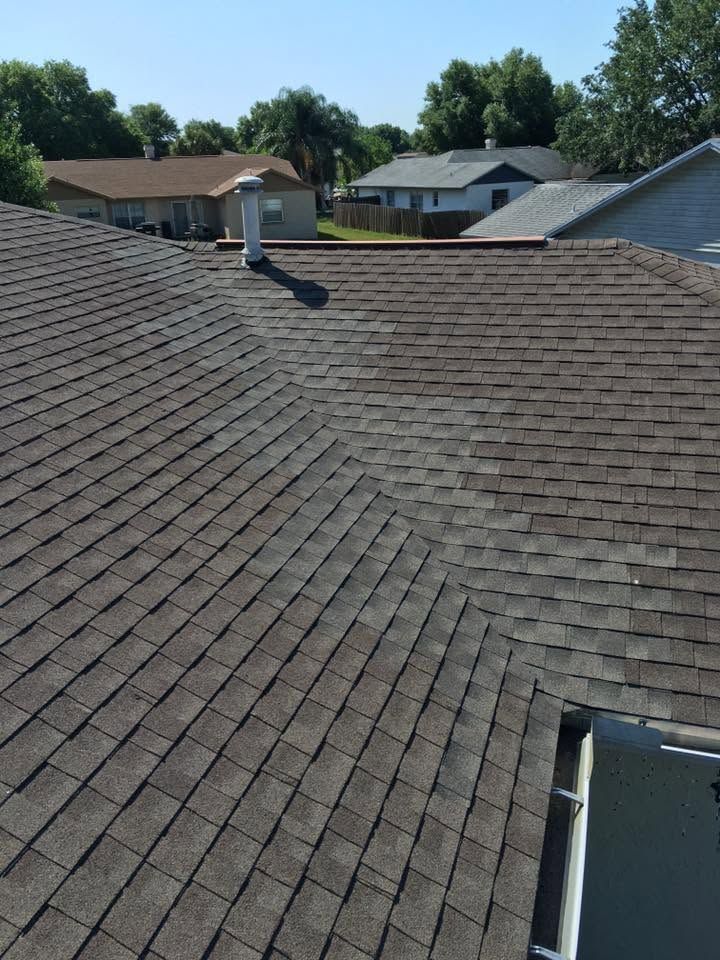
Before and after roof repair work.

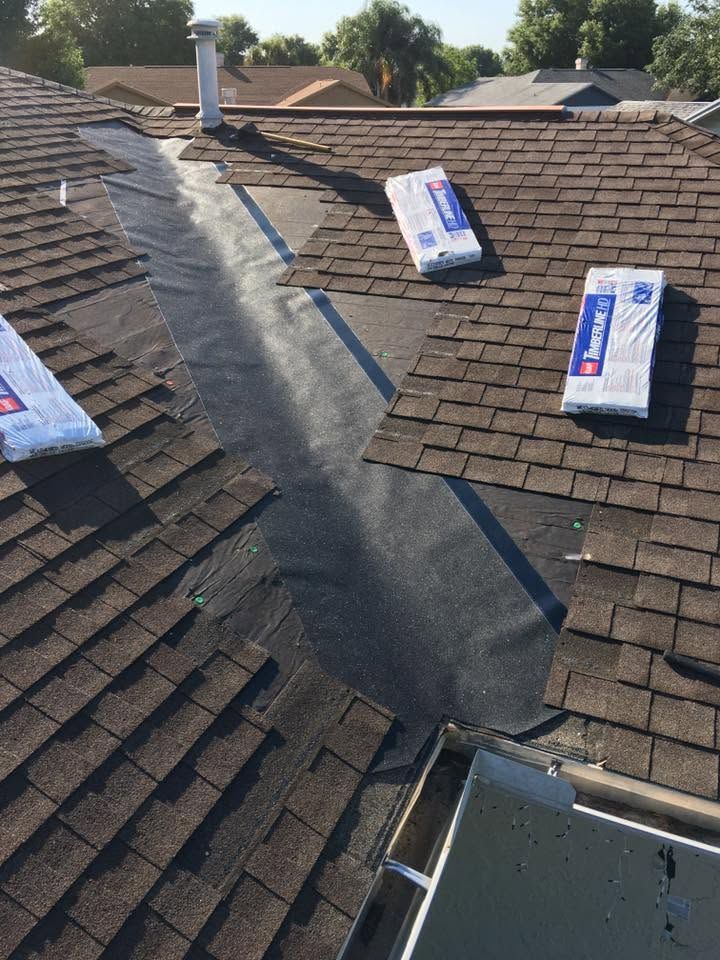
Use the slider to compare this Revildor roof repair before and after the completed work. Each repair is evaluated on its own findings, including the materials and underlying details affected.

Roof condition before completion of the Revildor repairRoof condition after completion of the Revildor repair Before After
Drag the slider or use the arrow keys to compare the roof condition.
Understand your options

What makes a roof repair reliable?

A focused repair should address the cause and reconnect to serviceable surrounding materials. Use these questions to understand what the proposed work is intended to accomplish.

Option or condition When it matters What to confirm
Localized component failure A failed boot, limited material damage, or isolated flashing defect. Can the surrounding roof support the repair, and is suitable replacement material available?
Recurring leak The same interior area becomes wet after previous roofing work. Was the entry path identified, and does the scope investigate beyond the old patch?
Broader roof deterioration Several areas have failed or the existing layers are no longer sound. Would a partial repair leave substantial unresolved conditions elsewhere?
Repair warning signs

Have the roof checked before the next leak grows.

A roof does not have to leak during every storm to need attention. Wind direction and rainfall intensity can expose different weak points. Record when the problem appears and any changes after earlier work.

  • New stains, drips, or bubbling interior paint after rain
  • Missing, creased, lifted, or damaged shingles
  • Cracked tiles or loose ridge and hip pieces
  • Open seams, displaced trim, or worn metal fastener washers
  • Deteriorated flashing or repeated patches at a roof transition
What matters

Temporary protection is only the first step.

If the roof needs temporary protection, discuss its purpose and the follow-up repair. A temporary covering does not establish that the underlying problem has been corrected. The permanent scope should address damaged materials and the water-entry detail identified during the evaluation.

Roof types

Repairs that match the roofing system.

A shingle repair and a tile repair may solve a similar leak complaint through very different methods. Revildor evaluates the material and concealed detail so the proposed correction fits the existing assembly.

Shingle roof repairs

Limited shingle damage, failed pipe boots, flashing defects, and localized roof leaks may support targeted work. Material flexibility, matching, and adjacent condition help determine how the repair can be integrated.

Tile roof repairs

Broken pieces may need replacement, but underlayment and flashing must also be considered. The scope should explain access below the tile, compatible material selection, and whether the leak involves more than visible surface damage.

Metal and low-slope repairs

Panels, fasteners, seams, membranes, and curbs need compatible methods. The repair should account for movement, attachment, and drainage rather than rely on a generic surface coating across different roofing materials.

Scope and budget

Why roof repair prices vary.

The visible size of a stain does not measure the repair. A small interior mark can involve a difficult roof transition, while obvious surface damage may be limited to a serviceable area.

Project factor How it affects the scope
Entry point and access Height, pitch, roof layout, and the location of the defect affect labor.
Roof material Matching shingles or tiles and system-specific metal or membrane components affect sourcing.
Hidden damage Wet or damaged underlying materials may expand the correction needed.
Previous work Layers of patches or incompatible products can require additional removal and reconstruction.
The Revildor process

From the first conversation to the next step.

Your project should have a defined purpose, an understandable scope, and clear communication about the work ahead.

Describe and document the leak

Share photos, when the leak appears, and previous repair details. We review accessible roof conditions and explain any limits or additional investigation needed to identify the source.

Review the repair scope

The proposal identifies the area, affected components, and recommended correction. If surrounding deterioration limits the reliability of a repair, discuss that before work begins and compare the broader options.

Complete and review

The agreed repair is completed with attention to the supporting details. Review what was corrected, any remaining recommendations, cleanup, and the applicable terms for the repair work.

Orlando based • Central Florida focused

Roof Repair across Central Florida.

Central Florida leaks can appear during one wind-driven storm and stay quiet during the next shower. Whether the property is in Orlando, Oviedo, Winter Springs, Kissimmee, or a surrounding community, your observations about timing and conditions help guide the roof evaluation.

Orlando Clermont Kissimmee Lake Mary Longwood Maitland Oviedo Sanford Winter Garden Winter Park Winter Springs Windermere Altamonte Springs Apopka Ocoee Casselberry

Revildor® • Serving Central Florida since 2007
(321) 332-3392 • Licenses: CCC1328368 | CGC1508771

Roofing Contractor in Central Florida →

Roof Repair FAQs

Questions about roof repair in Central Florida.

Straight answers to help you understand the service and prepare for a useful roofing conversation.

Can a leaking roof be repaired without full replacement?

Often, yes, if the cause is localized and the surrounding assembly is in serviceable condition. The roof’s material, damage extent, previous repairs, and concealed concerns affect the decision. A professional evaluation should explain why a targeted repair is or is not suitable.

Why does my roof leak only during heavy rain?

Wind direction, rainfall intensity, or concentrated water at a transition may expose a weak detail intermittently. The absence of a leak during lighter rain does not establish that the roof is sound. Record the conditions when water appears.

Is the roof leak directly above the ceiling stain?

Not necessarily. Water can travel along framing, underlayment, or other materials before becoming visible indoors. Tracing the entry path requires evaluating the roof and the interior evidence together rather than repairing only above the stain.

Can sealant alone fix a roof leak?

Some roofing details use specified sealants, but a surface application is not a substitute for sound flashing and compatible materials. The repair method should follow the cause of the leak and the requirements of the existing roof system.

Do you repair storm-damaged roofs?

Yes. Revildor evaluates storm-related roof concerns and provides repair guidance for damaged roofing components. The scope depends on what the inspection finds and whether the surrounding roof can support a dependable repair.

Do you repair shingle, tile, metal, and low-slope roofs?

Yes. Revildor provides repair services for these roof types. Methods differ by system, so material matching, underlying condition, attachment, flashing, and drainage are evaluated before the repair is recommended.

How quickly can someone inspect an active leak?

Call (321) 332-3392 and describe the location, active water entry, and any immediate concerns. The team can discuss current scheduling and the appropriate next step. Roof access and repair timing depend on weather and site conditions.

What should I send when requesting roof repair?

Provide the property address, interior photos, ground-level damage photos, the timing of the leak, and any previous repair information. Mention recent roof equipment work or a storm. Do not climb onto the roof to obtain pictures.
Do It The R.E.V.I.L.D.O.R. Way

Let’s talk about your roof repair project.

Get the leak evaluated and the repair scope explained. Revildor helps Central Florida property owners address damaged roofing and water-entry details with a plan based on the condition of the actual roof.