10 Things to Look for When Buying a Central Florida Home, A Roofer's Perspective.
A Quick guide to ensuring you purchase a home with A Florida Ready Roof:

Buying a home in Central Florida is an exciting milestone, whether you’re settling into Orlando or one of the surrounding communities. While buyers often focus on layout, finishes, and location, the condition of the roof is one of the most critical factors to evaluate. In Florida’s climate—where intense sun, heavy rains, humidity, and hurricanes are part of life—the roof plays a major role in protecting your investment.
At Revildor, we’ve worked with countless homeowners across Central Florida and Orlando who discovered roofing issues after purchase that could have been identified early. To help you make a smart and informed decision, here are 10 key things to look for when buying a Central Florida home from a roofing perspective.
- Age of the Roof
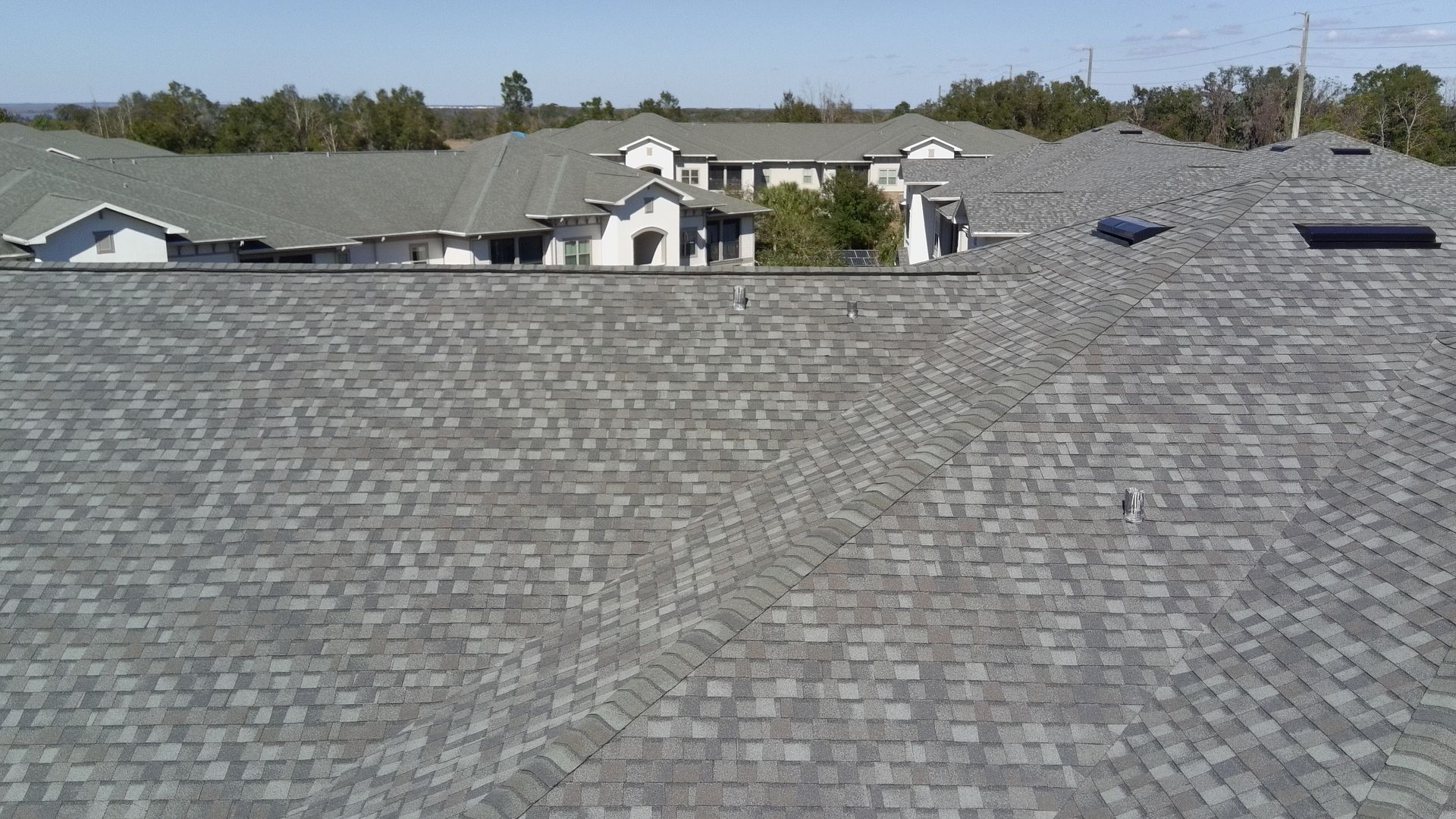
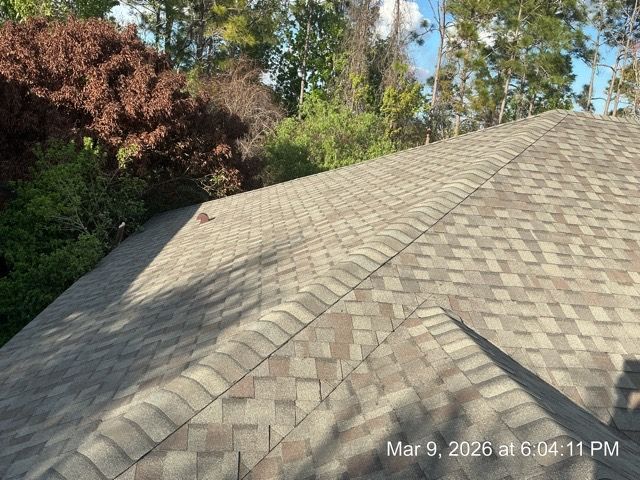
One of the first questions to ask is: how old is the roof? Most asphalt shingle roofs in Central Florida last around 10 - 15 years, depending on maintenance and weather exposure. Tile and metal roofs can last longer, but they are not immune to wear. If the roof is nearing the end of its lifespan, you should factor replacement costs into your budget or negotiate with the seller. - Visible Signs of Damage
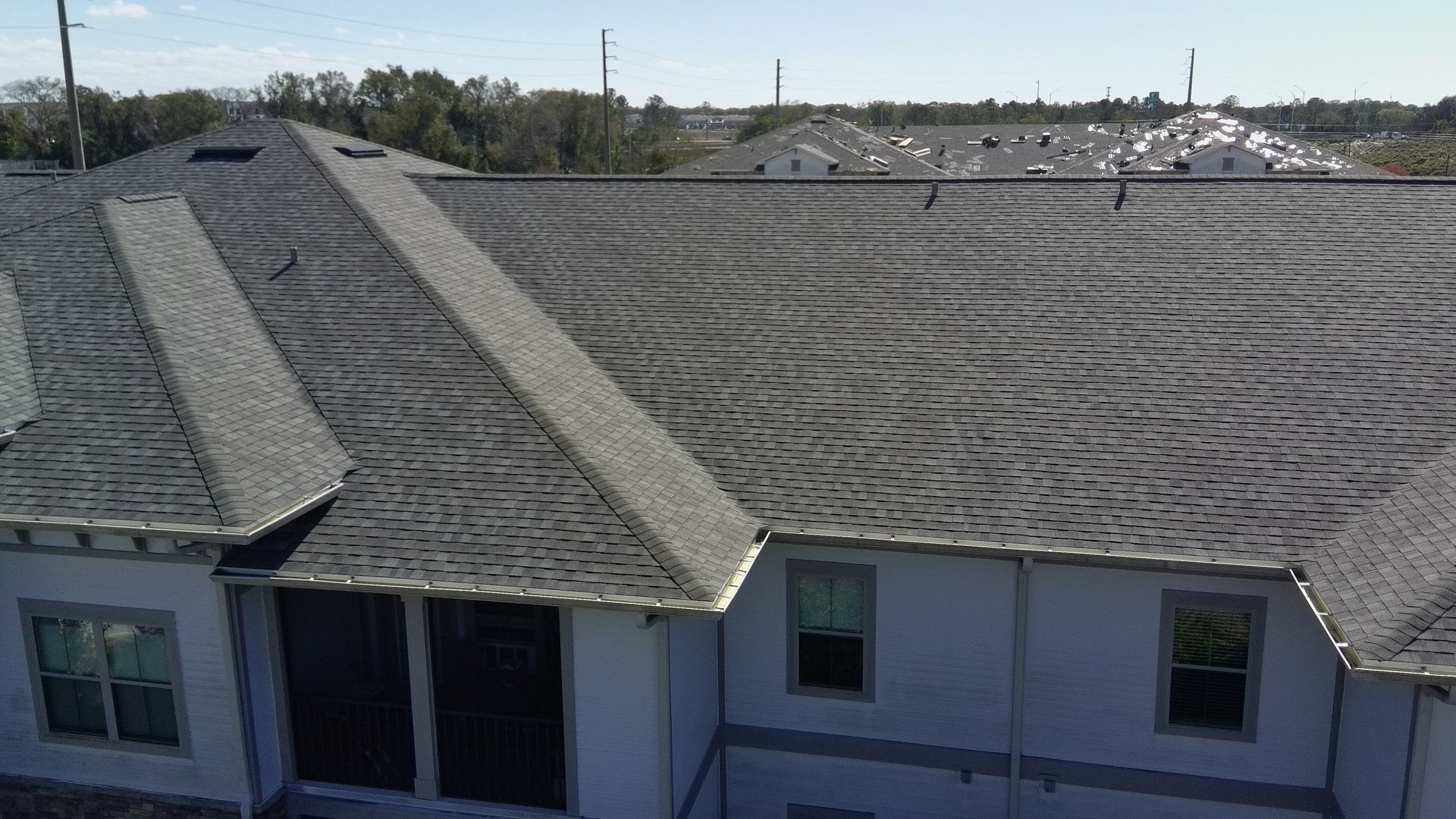
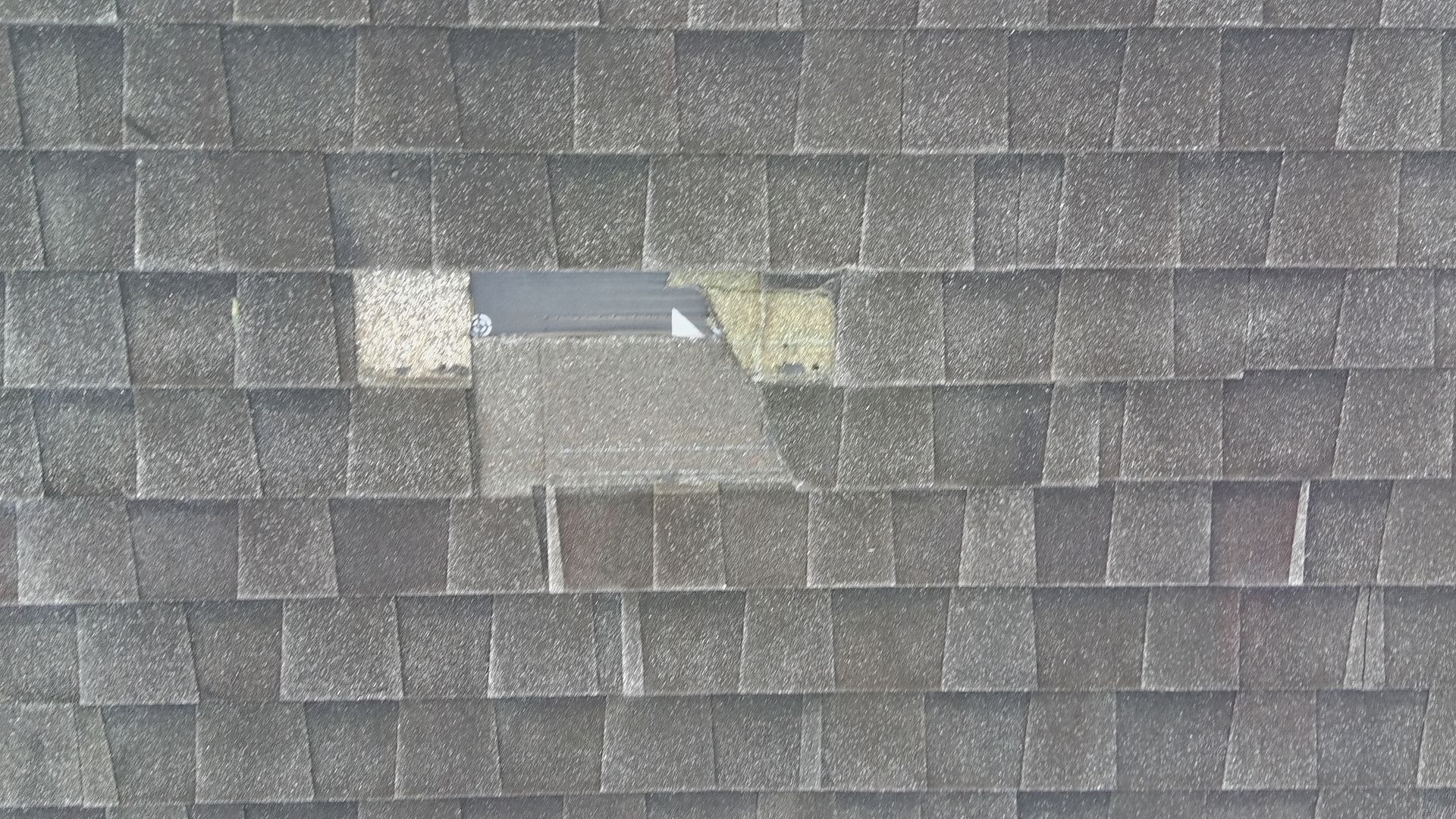
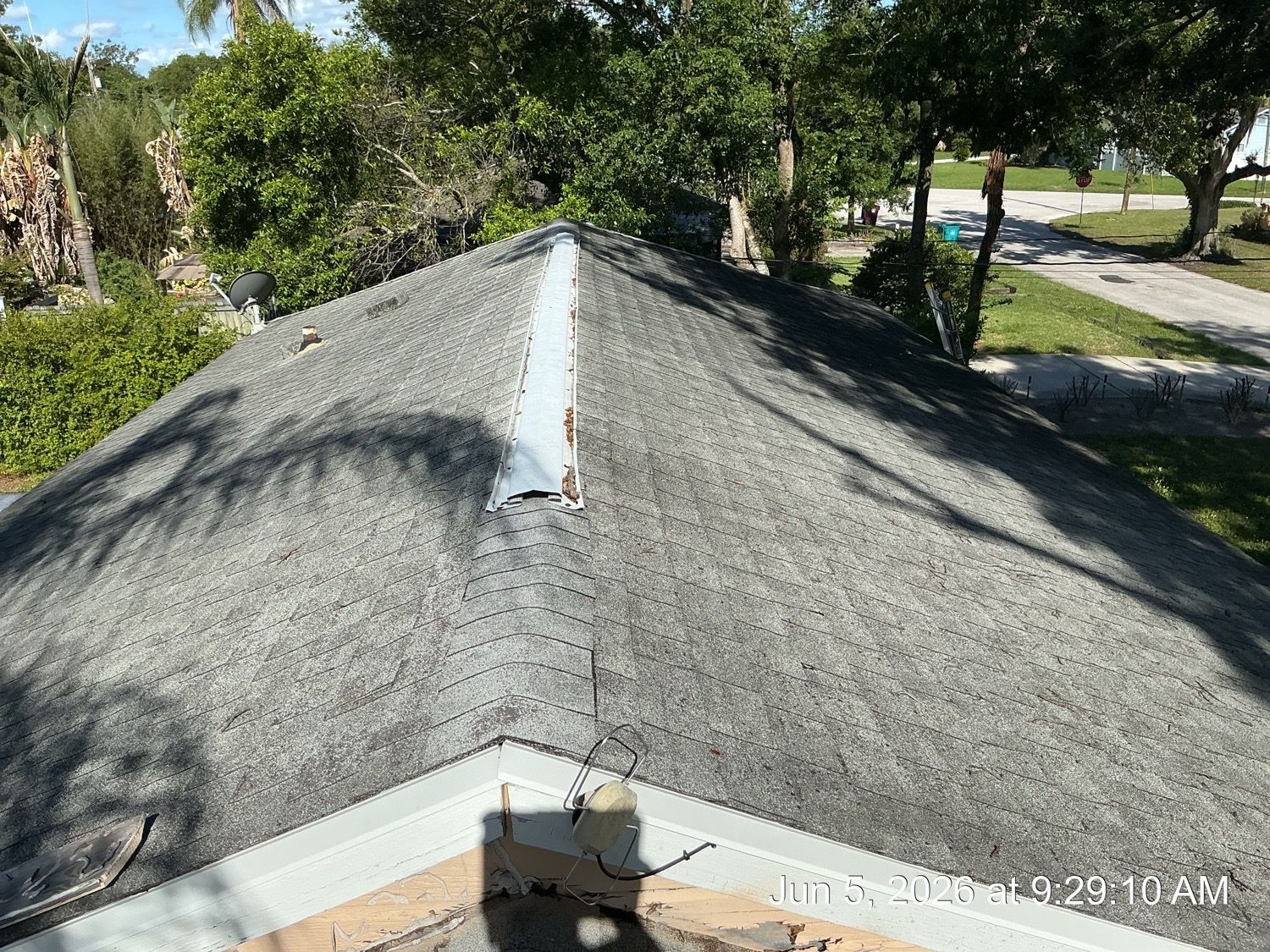
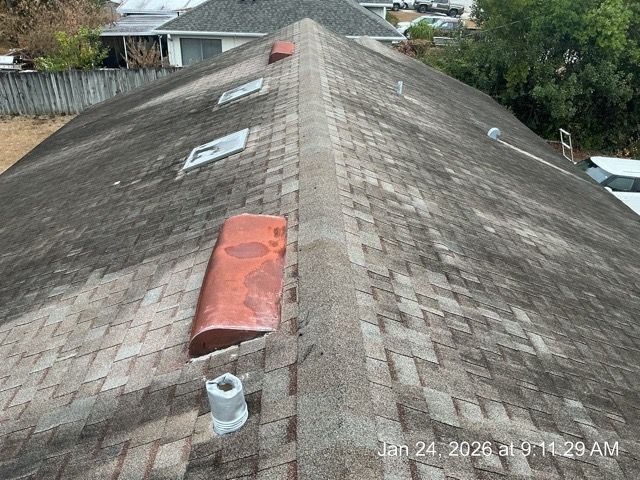
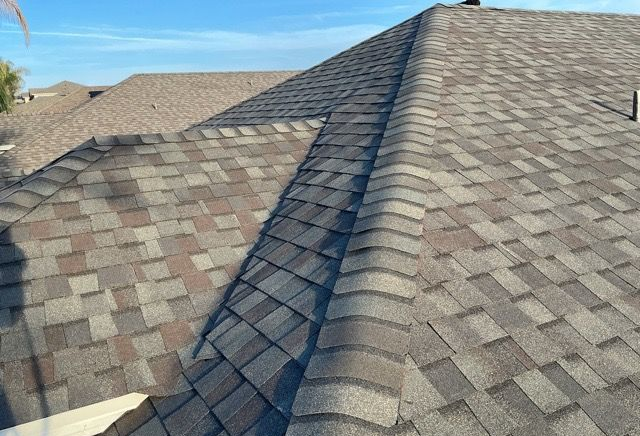
Take a close look at the roof from the ground and, if possible, from a higher vantage point. Look for missing shingles, curling edges, cracked tiles, or rust spots on metal roofs. These signs can indicate aging or storm damage. In Central Florida, roofs often endure wind-driven rain, which can exploit small vulnerabilities. - Signs of Previous Repairs
A roof with multiple patches or mismatched materials may indicate recurring issues. While repairs are normal over time, excessive patchwork could suggest underlying problems that were never fully addressed. Revildor often sees homes in Orlando where repeated repairs ended up costing more than a full replacement would have. - Roof Ventilation
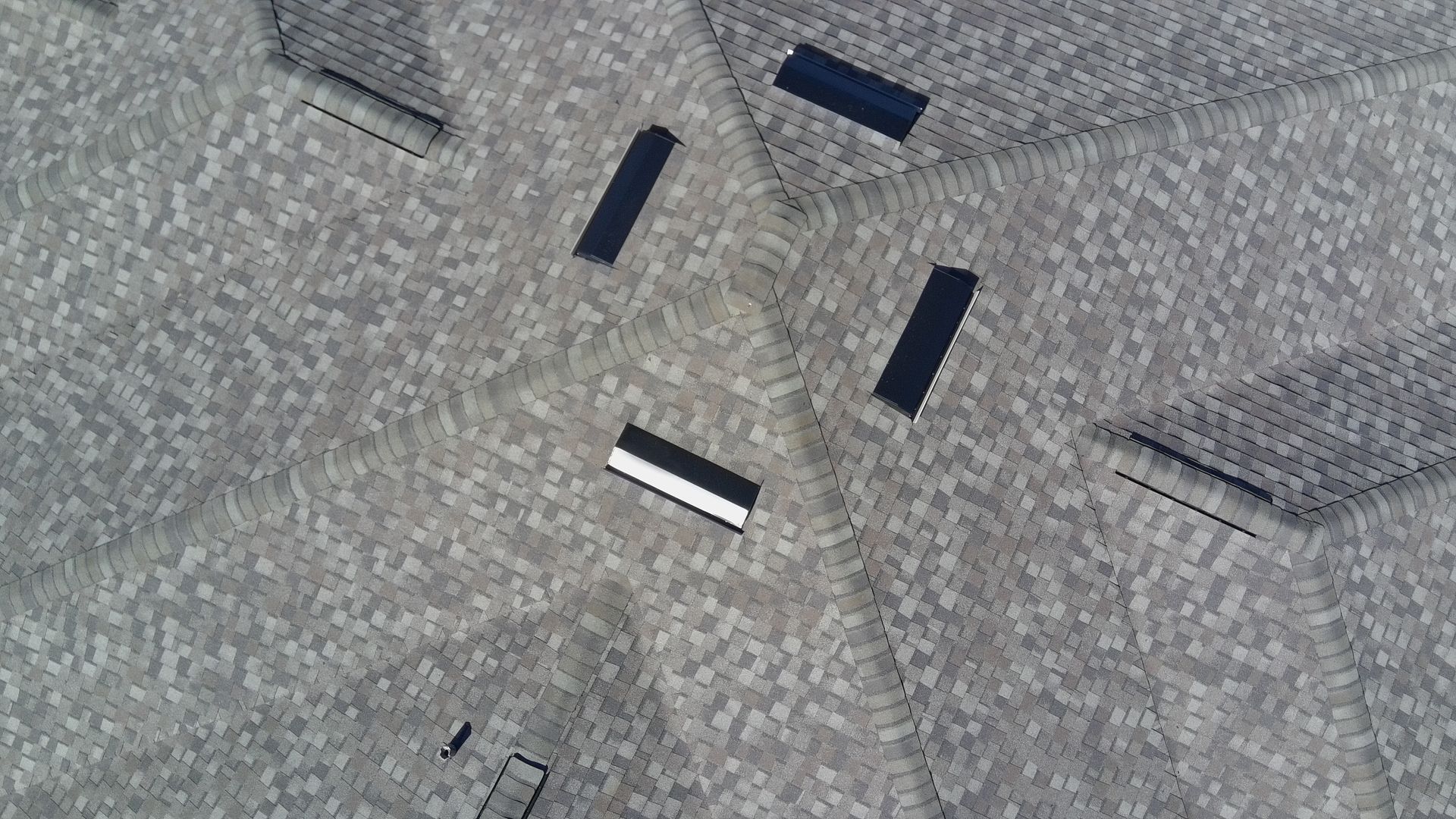
Proper ventilation is crucial in Florida’s hot and humid climate. Poor ventilation can lead to excessive heat buildup in the attic, which accelerates roof deterioration and increases energy costs. Check for ridge vents, soffit vents, or other ventilation systems that help regulate temperature and moisture. - Soft Spots or Sagging Areas
If you notice any sagging sections or uneven lines along the roof, this could indicate structural issues or water damage beneath the surface. These problems can be costly to fix and should be inspected by a professional roofing contractor before moving forward with a purchase. - Interior Water Stains
Don’t just inspect the exterior. Inside the home, look for water stains on ceilings or walls, especially in corners or near vents. These stains often signal roof leaks. In Central Florida, heavy rainstorms can quickly turn minor leaks into major interior damage if not addressed. - Gutter and Drainage System
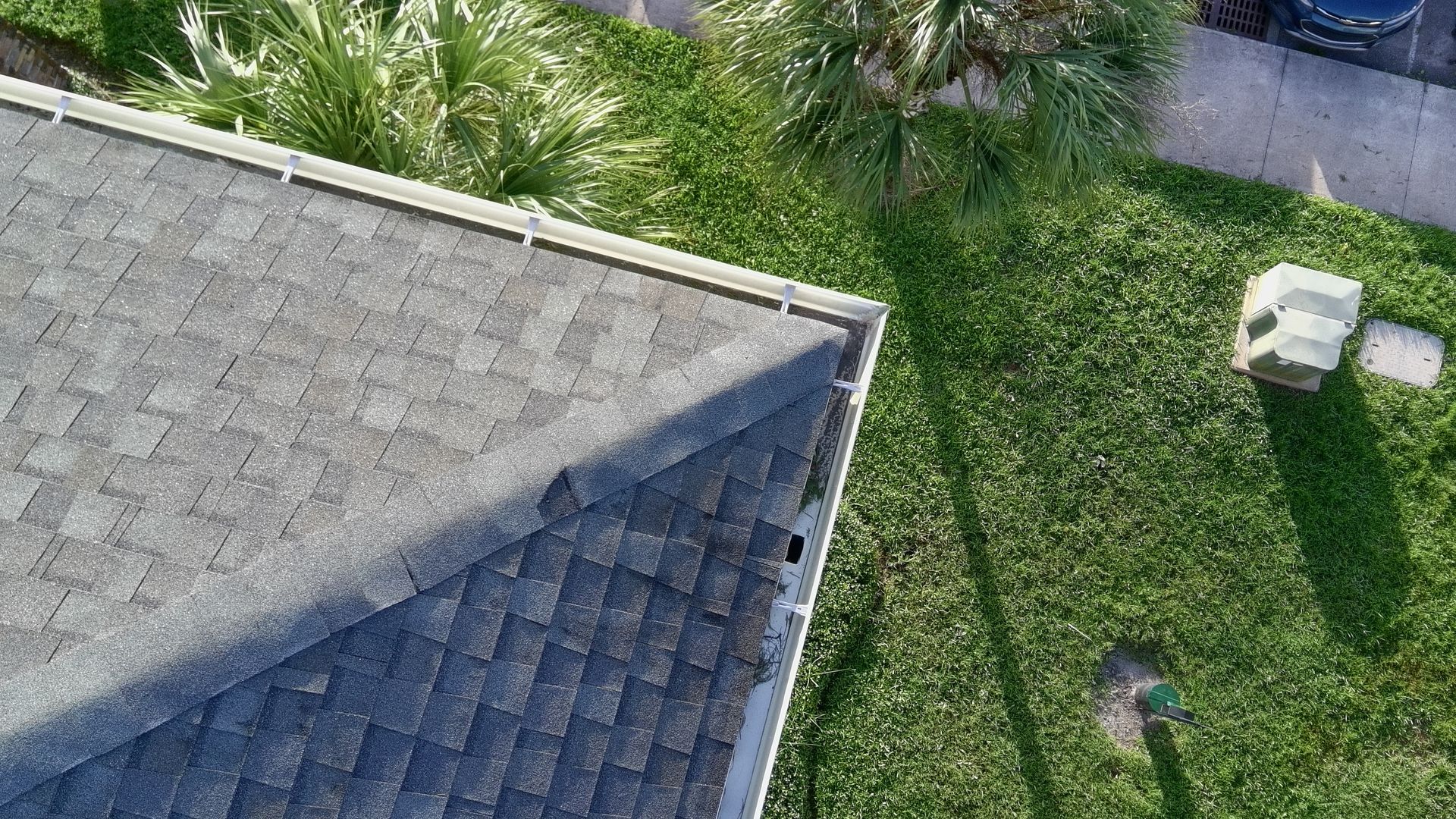
A well-functioning gutter system is essential for directing water away from the home. Check that gutters are securely attached, free of debris, and properly sloped. Poor drainage can lead to water pooling on the roof, increasing the risk of leaks and structural damage. - Roof Material Suitability
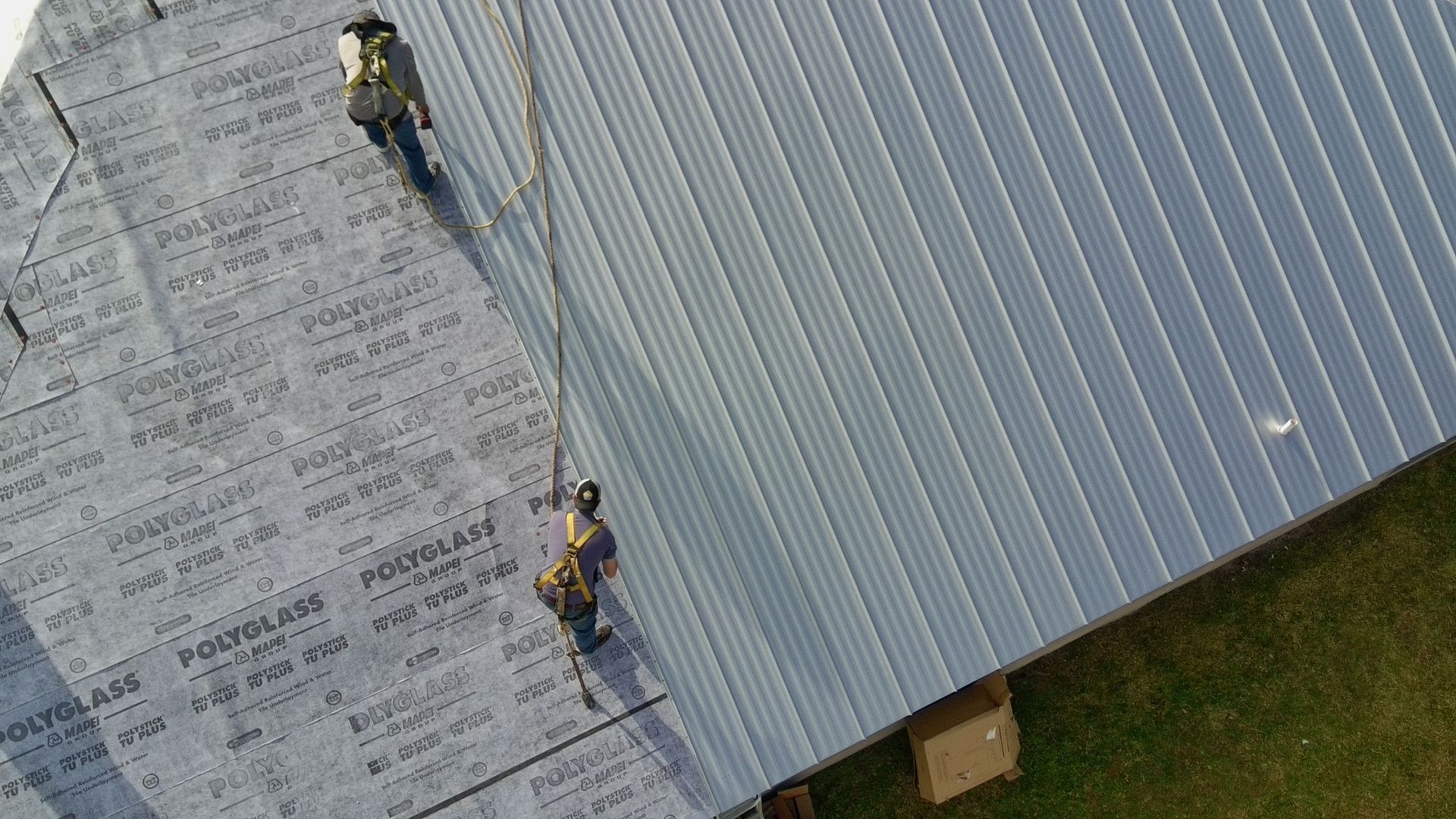
Different roofing materials perform differently in Florida’s climate. Asphalt shingles are common and affordable, but metal and tile roofs often offer better durability and wind resistance. Understanding the pros and cons of the existing material can help you determine future maintenance needs and long-term value. - Compliance with Florida Building Codes
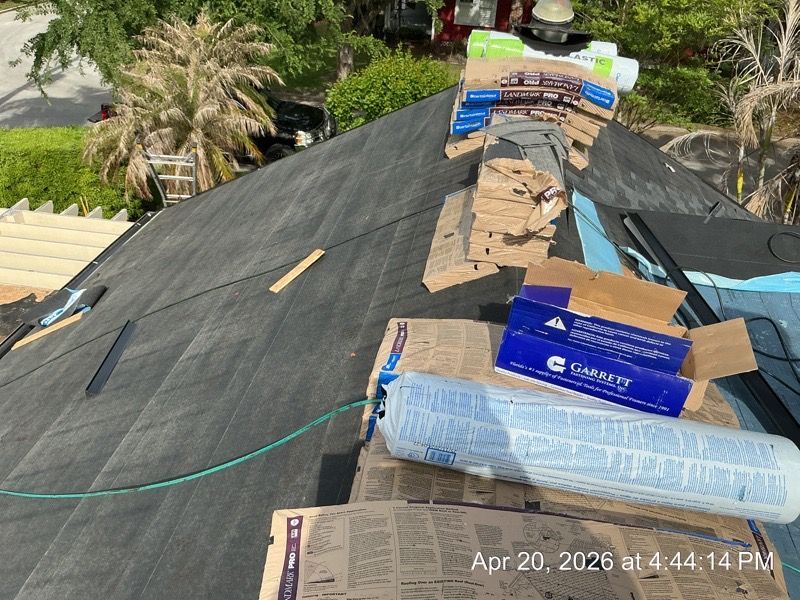
Florida has some of the strictest building codes in the country due to hurricane risk. Make sure the roof meets current code requirements, especially if it has been replaced or repaired in recent years. Features like proper fastening systems and underlayment can make a significant difference during severe weather events in Orlando and throughout Central Florida. - Professional Roof Inspection
Even if everything looks fine, it’s always wise to have a professional inspection performed before closing. A licensed roofing contractor, like Revildor, can identify hidden issues that may not be visible to the untrained eye. This step can save you thousands of dollars and give you peace of mind as you move into your new home.
Why This Matters in Central Florida
The Central Florida climate is uniquely demanding on roofing systems. Between intense UV exposure, humidity, and the threat of hurricanes, roofs here age faster than in many other parts of the country. What might seem like a minor issue during a home showing can quickly become a major repair after a few strong storms.
At Revildor, we specialize in helping homeowners throughout Orlando and Central Florida understand the true condition of their roofs. Whether you need an inspection, repair, or full replacement, our goal is to provide honest guidance so you can protect your investment.
Final Thoughts
Buying a home is one of the biggest financial decisions you’ll make, and the roof should never be an afterthought. By paying close attention to these 10 factors, you can avoid unexpected expenses and ensure your new home is ready to handle everything the Central Florida climate throws at it.
If you’re in the process of buying a home in Orlando or anywhere in Central Florida, consider reaching out to Revildor for a professional roofing evaluation. A little due diligence today can save you significant time, money, and stress down the road.