Missing or Moved Shingles
Shingles may shift or come loose during strong weather. A close review helps show whether the issue is localized and whether surrounding materials are still in good condition.
Request Shingle Damage Help
A storm can leave obvious damage, like roofing material on the ground, or subtle trouble that appears as a ceiling stain days later. Before paying for a repair, find out where the roof may have been affected.
Apopka can see intense rain and strong thunderstorms during the warmer months. Water may reach a vulnerable roof connection during a storm even if the roof appeared fine before. Fallen branches, shifted materials, and clogged valleys can create different problems that need different responses.
Revildor® provides storm damage inspections and roofing repairs. We review the concern, visible roof conditions, and the history of previous leaks. If the damage is confined to a repairable area, that may be the practical route. If wear or storm-related problems are spread across the roof, replacement may be worth discussing.
If you are inside during a storm, keep clear of leaking electrical fixtures and damaged areas. After conditions are safe, take photos from the ground and note where the water appeared. Those details help describe the issue when you call. Do not climb onto a wet or unstable roof.
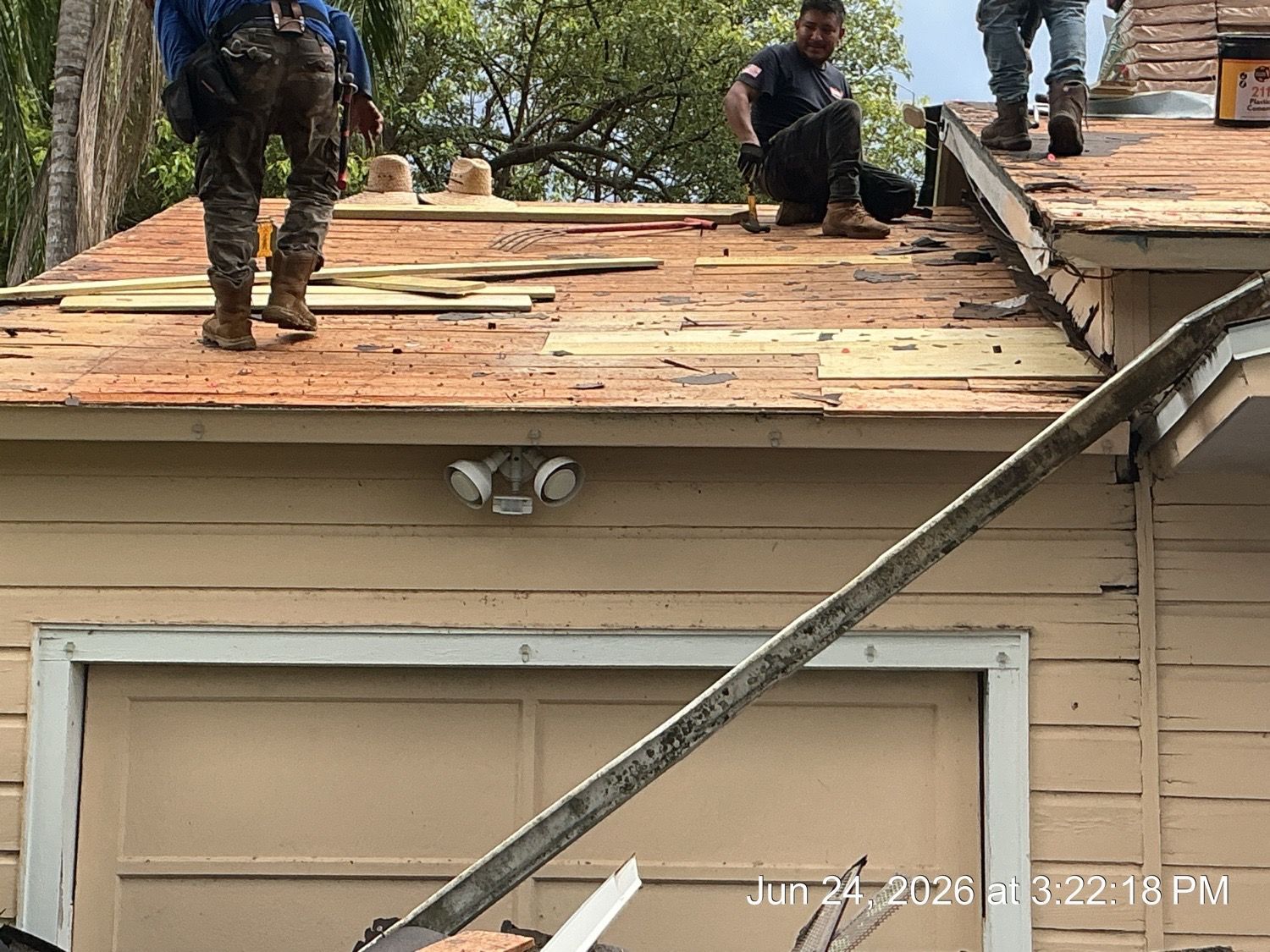
Not every roof concern calls for the same repair. Start by identifying what has changed and where the water may be getting in.
Shingles may shift or come loose during strong weather. A close review helps show whether the issue is localized and whether surrounding materials are still in good condition.
Request Shingle Damage HelpA damp ceiling after a storm can be linked to several roof openings or transitions. We examine the likely entry areas instead of assuming the stain is directly below the damage.
Ask About a New LeakLeaves or fallen material can interfere with the path water takes off the roof. The roof still needs an inspection for damage once conditions are safe, particularly around affected intersections.
Arrange a Roof CheckEdges, vents, pipes, and wall connections deserve attention when water appears after severe weather. The right repair depends on what is disturbed and whether nearby components remain sound.
Discuss Roof ConnectionsMetal roofing can have concerns at panels, seams, and attachments. A visible change should be assessed in the context of the whole roof, rather than assuming a full replacement is always necessary.
Ask About Metal DamageOne damaged section can sometimes be repaired. Broadly worn roofing or repeated leaks may call for a larger project. We discuss what the inspection supports and what an appropriate scope may include.
Review Repair Options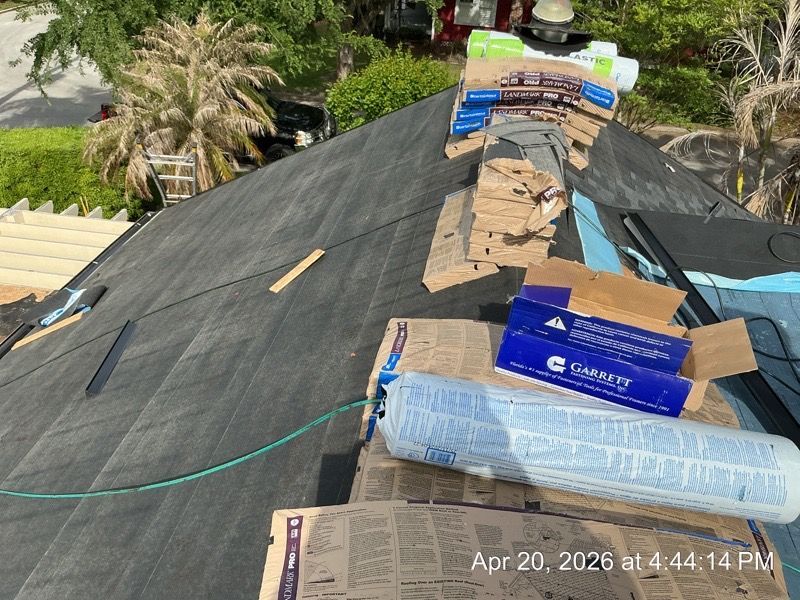
Even when a roof is not actively dripping, visible changes after a storm can be a reason to request a professional check.
A sudden leak is not always caused by the most obvious loose shingle, and the worst damage is not always visible from the ground. We consider where the weather hit the roof, where water collects, and whether the problem existed before. This helps separate a small repair from an issue that needs a closer look across the roof.
The first task is to understand the damage and make a plan based on the roof condition. Repair comes after that assessment.
Tell us when the weather occurred, what you noticed afterward, and where leaks or missing material appeared. Photos taken safely from the ground can help explain the concern.
We review visible signs of disturbed roofing and relevant details nearby. Pre-existing wear and previous repairs can affect what work makes sense for the roof.
We explain the observed concerns and whether targeted work is appropriate. If the roof condition points to more extensive work, we discuss the reasons and possible replacement scope.
After approved work, keep the scope and relevant records together. Ask which conditions deserve watching and when another inspection would be appropriate if a leak reappears.
The roof covering affects the warning signs. The location of the issue and the condition of adjoining materials are just as important as the type of roof.
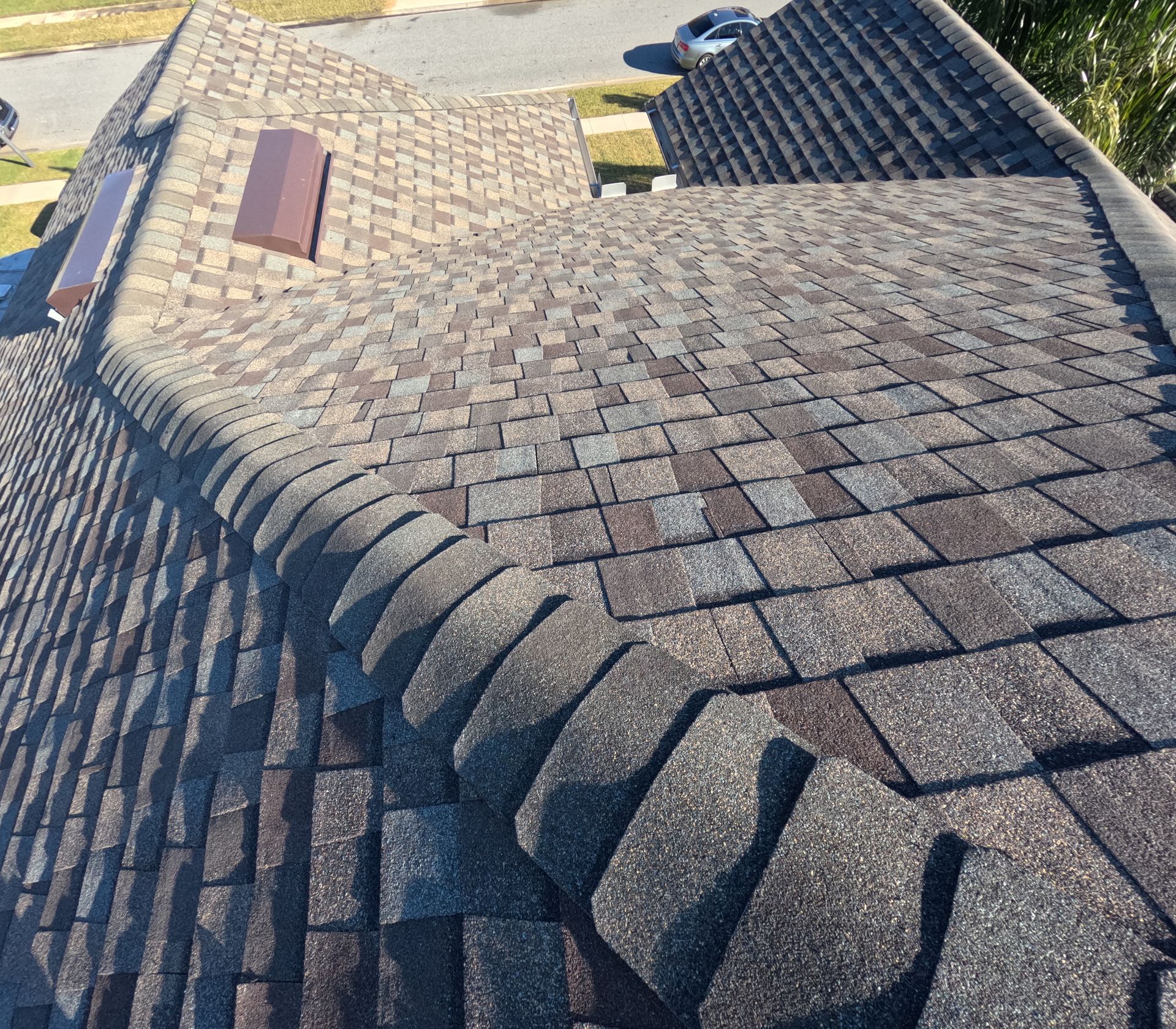
Displaced, cracked, or missing shingles may leave an area more vulnerable to rain. We consider what is damaged, how much of the roof is affected, and whether the surrounding shingles can support a lasting repair.
Discuss Shingle Repairs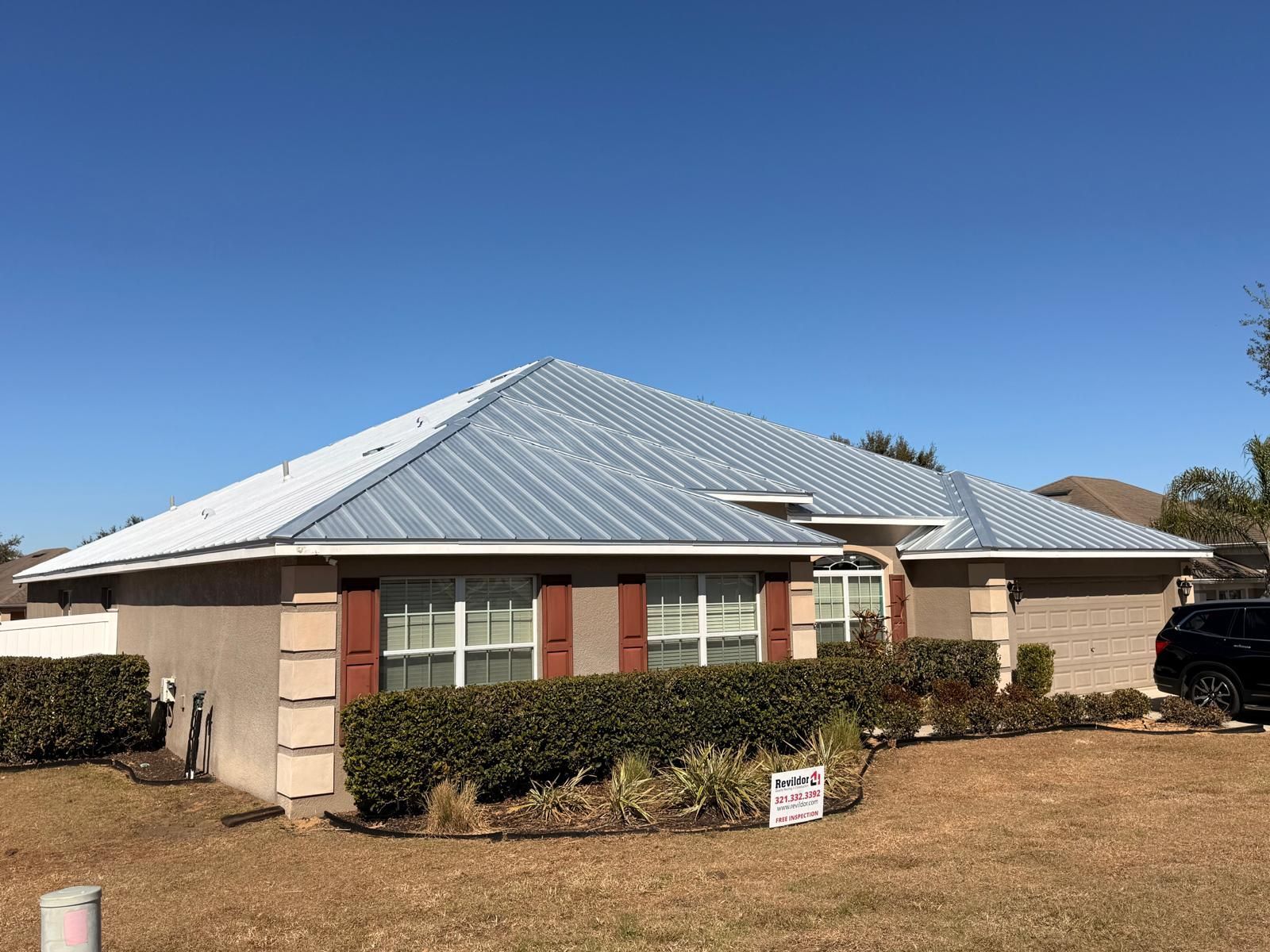
On a metal roof, visible changes to panels or connections call for a material-specific review. The inspection should consider seams, penetrations, and nearby roof details before the scope of any repair is decided.
Ask About Metal Roofing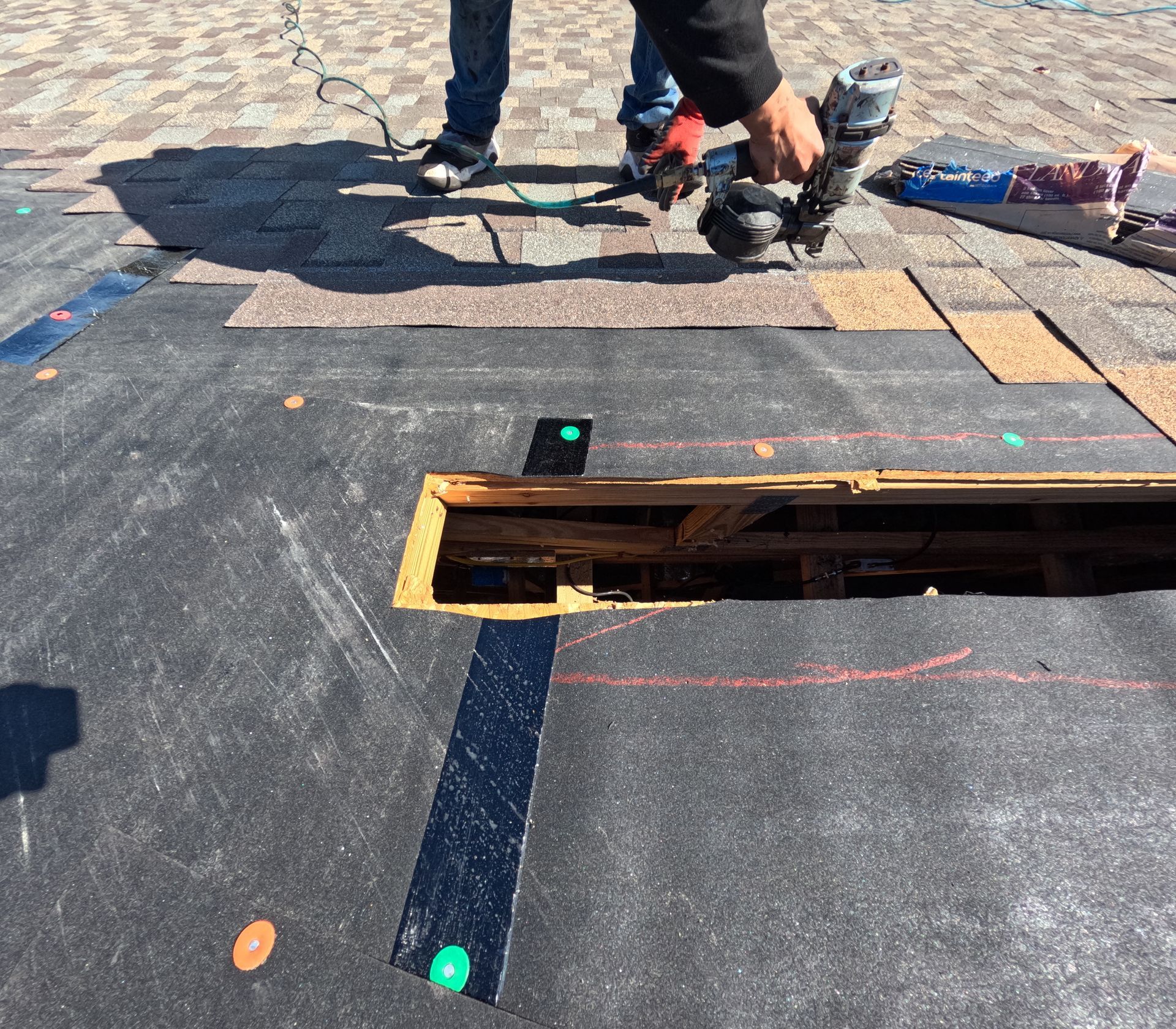
A storm can expose trouble around vents, edges, and the points where roof sections meet. A repair should address the entry path and the condition of adjacent materials rather than covering only the most visible mark.
Get a Roof EvaluationRevildor® has served Central Florida since 2007 and handles both roofing repairs and storm damage inspections. You can start with the concern you noticed without deciding in advance that you need a new roof.
We look at the available evidence and explain what the roof condition suggests. If a repair is appropriate, you should know what it addresses. If replacement is recommended, ask why and how the proposed work differs from a localized fix.
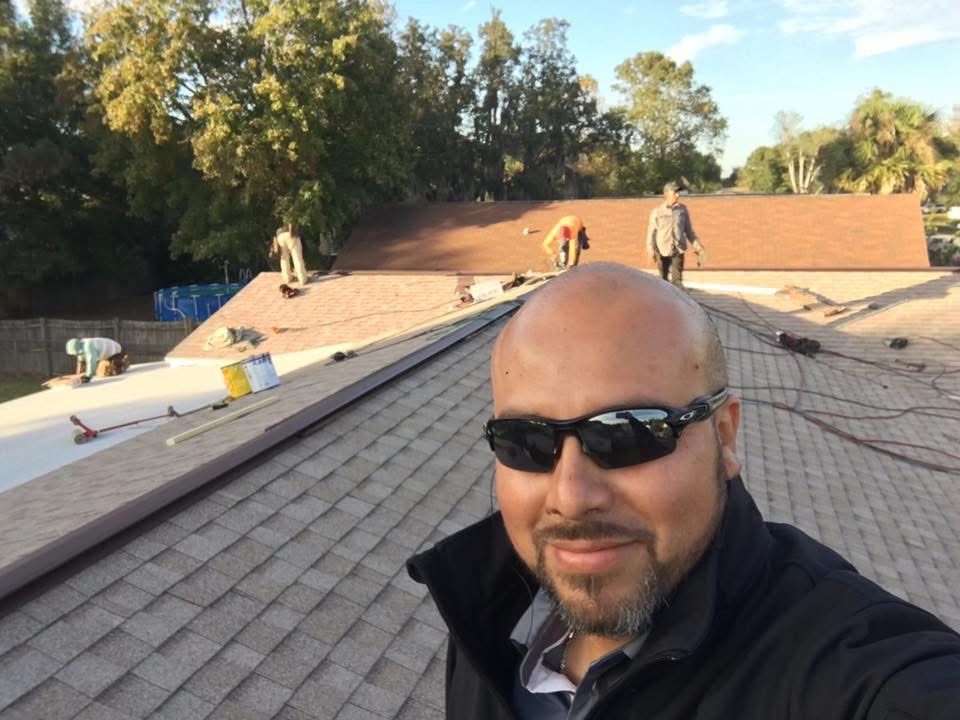
If heavy weather has affected your Apopka roof, tell us the address, type of covering, and what changed after the storm. Revildor® serves the wider Central Florida area. The details of your roof help shape the inspection conversation.
Questions about safe first steps, leaks, inspections, and choosing an appropriate repair after rough weather.
Stay away from affected electrical fixtures and any unsafe ceiling area. If you can do so safely, protect belongings and document the location of the leak. Wait until conditions are safe before arranging an inspection. Do not climb onto the roof.
Look safely from the ground for missing, shifted, or uneven areas, or roofing pieces on the property. Some concerns will not be obvious from below. A professional inspection can assess the condition before a repair is chosen.
Yes. Roofing materials or connections can be disturbed before water appears indoors. If you notice changes after a storm, an inspection can help identify whether follow-up work is needed even if the rooms are dry.
Not always. A localized damaged area may be repairable if the surrounding roof remains serviceable. Damage across multiple areas, extensive wear, or a history of repeated leaks may justify discussing replacement.
Water can move along the roof structure before showing on a ceiling or wall. That is why repair decisions should be based on the likely entry path and surrounding components rather than the indoor stain alone.
Revildor® works with metal roofing as well as asphalt shingles. Explain what you see and where the issue is located. The review can consider panels, connections, and other details relevant to the suspected damage.
Have the Apopka address, approximate date of the storm, location of any leaks, and known roof material ready. Photos taken from a safe place and details about earlier repairs can be useful context.
Contact Revildor® at (321) 332-3392 or through the contact page. Describe the weather-related concern and ask about a roof inspection. The appropriate repair approach can be discussed after the condition has been reviewed.
Tell us what changed after the weather passed. Revildor® can help you discuss an inspection and the next practical step for your roof.