Active Roof Leak Diagnosis
We compare interior water signs with the roof area above, then inspect accessible seams, edges, flashing, penetrations, drainage, and prior repairs to narrow the source.
Trace a Commercial Leak →
A leak in a commercial property can affect ceilings, insulation, finishes, stored materials, tenant areas, and day-to-day operations. The repair decision needs to start with where water is entering the roof, not only where it appears inside.
Revildor® provides commercial roof leak repair in Clermont for property owners who need active leak diagnosis, storm inspection, flashing repair, penetration work, drainage review, maintenance, or a clear comparison between repair and replacement.
We evaluate the accessible roof area, leak location, edges, valleys where present, flashing, penetrations, drainage, fasteners, sealants, and earlier repairs. Findings are explained before the work is scheduled so the property team understands the repair boundary.
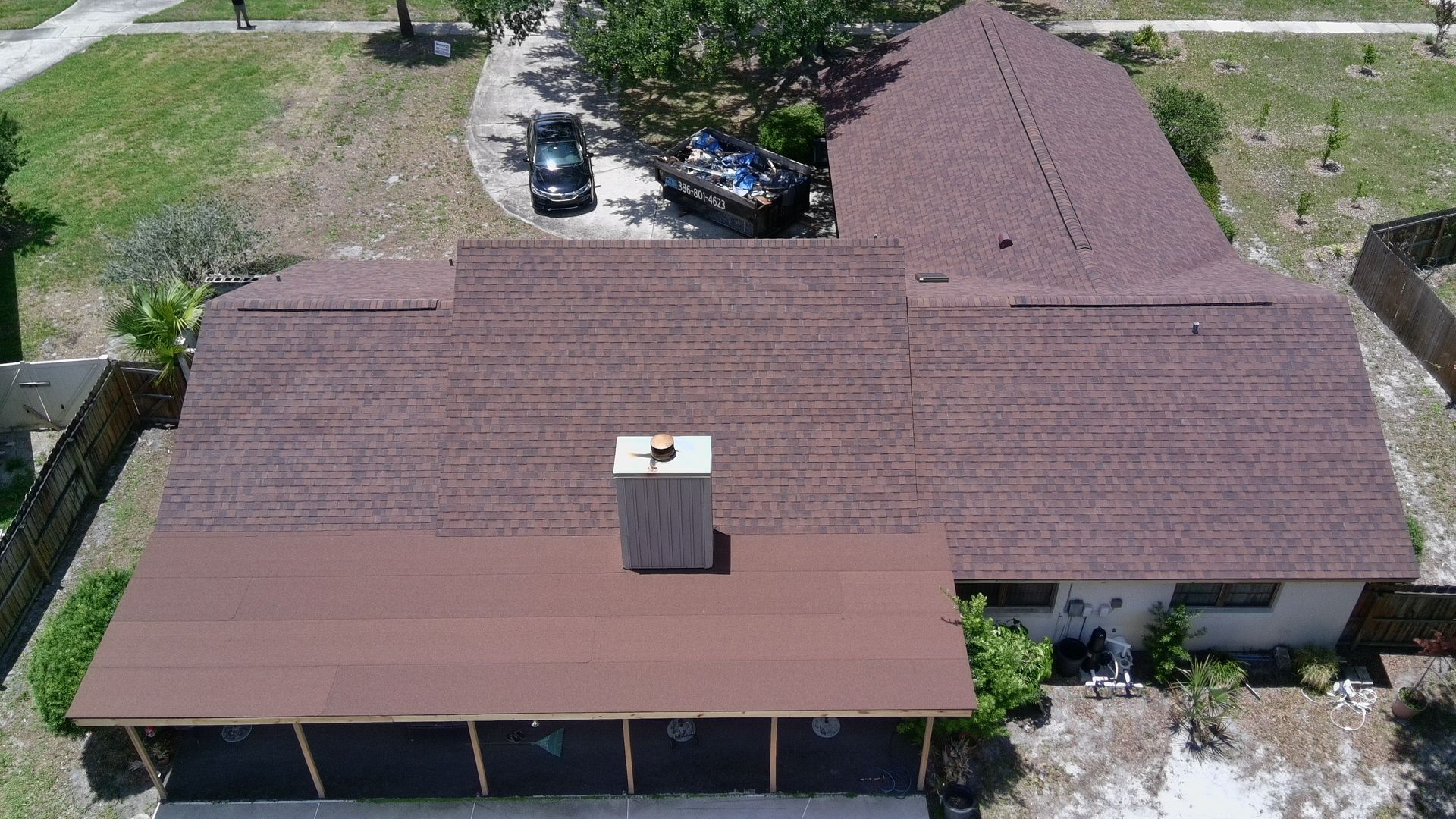
Large roof areas and multiple transitions can make leak tracing difficult. Revildor® documents the likely path, separates isolated defects from wider wear, and recommends a scope the property owner can review.
We compare interior water signs with the roof area above, then inspect accessible seams, edges, flashing, penetrations, drainage, and prior repairs to narrow the source.
Trace a Commercial Leak →Leaks around walls, vents, pipe penetrations, and other roof openings are evaluated as connected details that include flashing, fasteners, seals, and surrounding roofing.
Review Roof Transitions →After strong wind, tropical weather, or debris impact, we inspect visible roof conditions and identify damage that may need immediate repair or broader planning.
Get Post-Storm Help →Water that does not move cleanly toward the roof edge can expose weak areas. We review visible drainage paths, perimeter details, and affected roofing when they relate to the leak.
Discuss Drainage Repair →If a commercial roof has been patched several times, we look at repair history and surrounding wear to determine whether the same opening is returning or water is entering from another area.
Review Repeat Leaks →When leak locations multiply or the surrounding roof shows broad wear, we explain how the repair scope compares with a larger replacement plan before money goes into another isolated patch.
Compare Roof Options →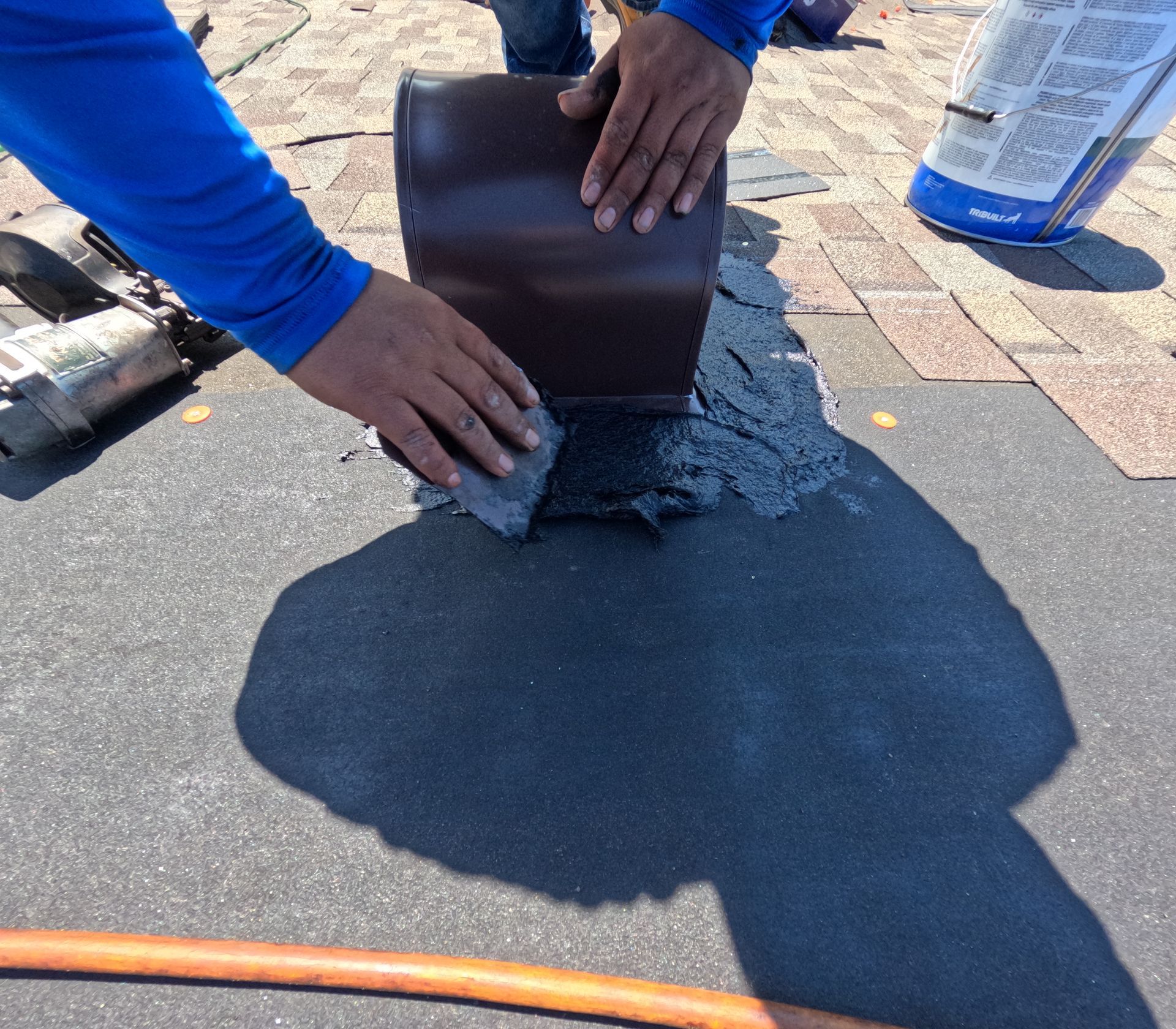
Commercial properties may have broad roof areas with several penetrations, edges, and drainage paths. During Clermont downpours, water can travel beneath the surface before it reaches a visible interior location.
That makes documentation important. A repeat leak near the same room may come from the same defect, a higher roof transition, moved flashing, damaged roofing, or a drainage path that only becomes active during heavier weather.
Commercial roofs in Central Florida can face long sun exposure, humid heat, hard rain, wind-driven water, and storm debris across broad roof surfaces. Access, drainage direction, roof design, and earlier repair history all influence the leak path.
Large roof areas with fewer nearby obstructions can take sustained gusts and wind-driven rain. Perimeter details, penetrations, and other exposed transitions deserve close review after storms.
Runoff can move toward specific edges, valleys, or drainage routes. If water slows or reaches a weak detail, the interior leak may appear away from the actual opening.
Commercial properties often have more than one roof opening or transition to inspect. Each visible detail is checked in relation to the leak rather than treated as the source automatically.
Older patches and mixed-age roof areas can make leak tracing harder. Knowing what was repaired before helps separate a recurring defect from a new source nearby.
Revildor® keeps the repair discussion tied to observed roof conditions. The property owner receives a clear explanation of the suspected source, related components, and practical next step.
We document where water is showing inside and compare those locations with accessible roof areas, transitions, penetrations, drainage routes, and prior repair zones.
The roof review covers the likely leak area plus surrounding roofing, flashing, fasteners, sealants, edges, and visible storm or moisture indicators.
We explain which roof components need work and coordinate access around the property so the approved repair can be completed with a defined work area.
After the work, we review the repaired area, cleanup, visible roof condition, and any separate maintenance or replacement items the property owner should plan for.
Commercial roof leaks can involve roofing, flashing, penetrations, fasteners, sealants, edges, and drainage. Revildor® works from the existing system rather than assuming every property needs the same repair.
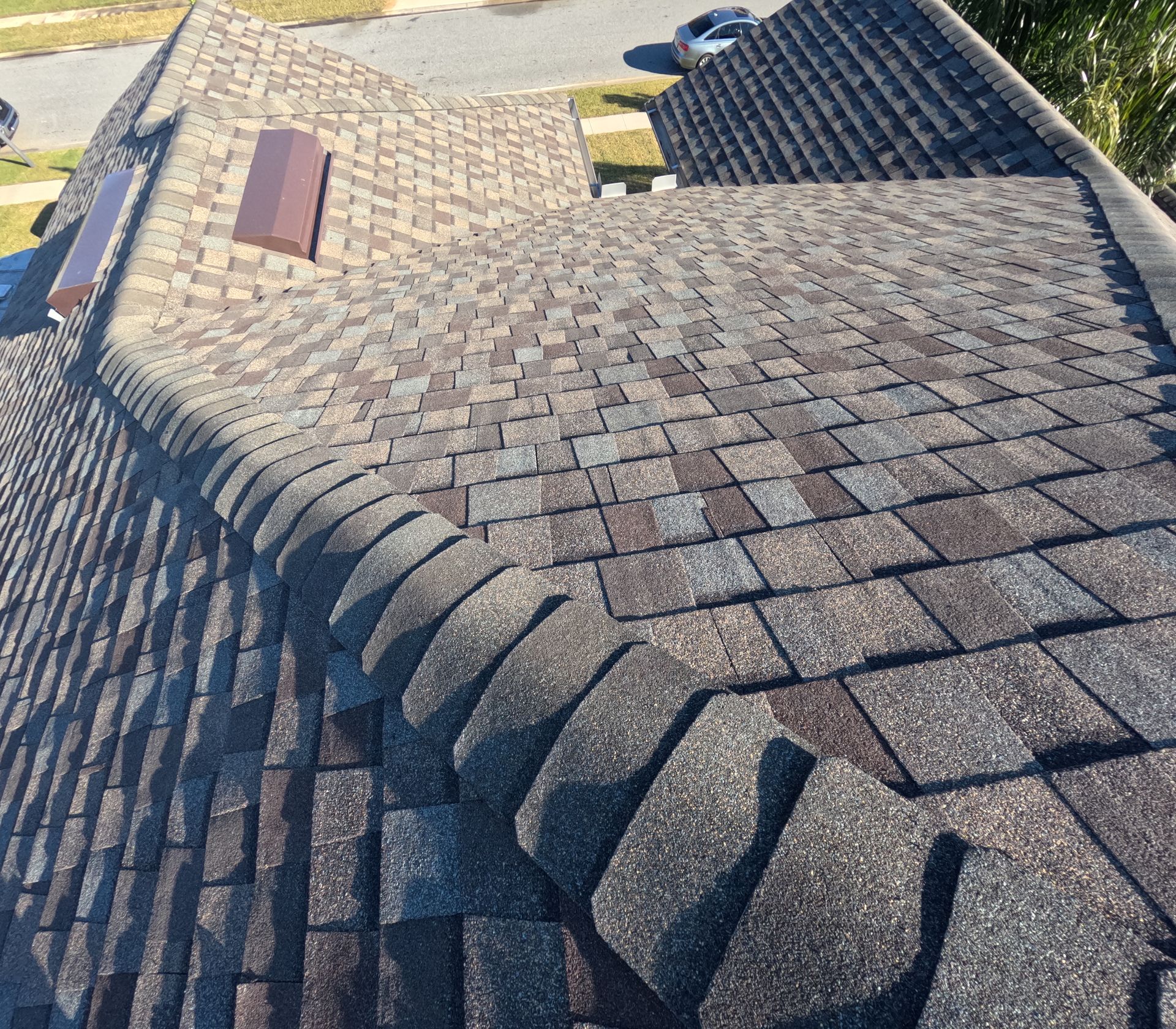
The damaged roof surface is evaluated for the opening, wear, movement, or prior patching that is contributing to the active leak.
Review the Leak Area →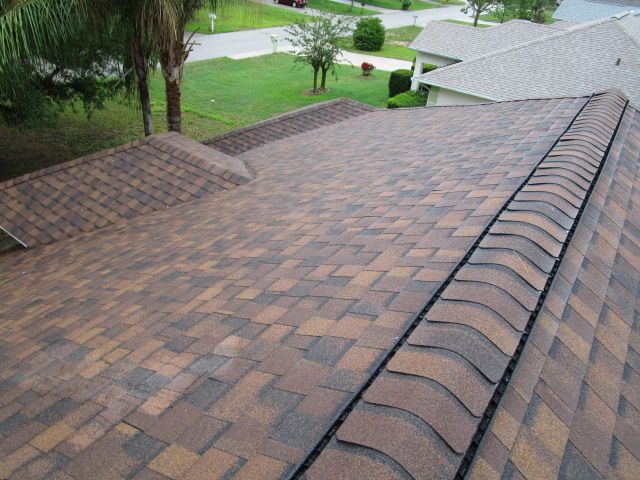
Walls, vents, pipes, and other transitions are checked for open edges, failed seals, loose components, or damage where water can enter.
Discuss Roof Transitions →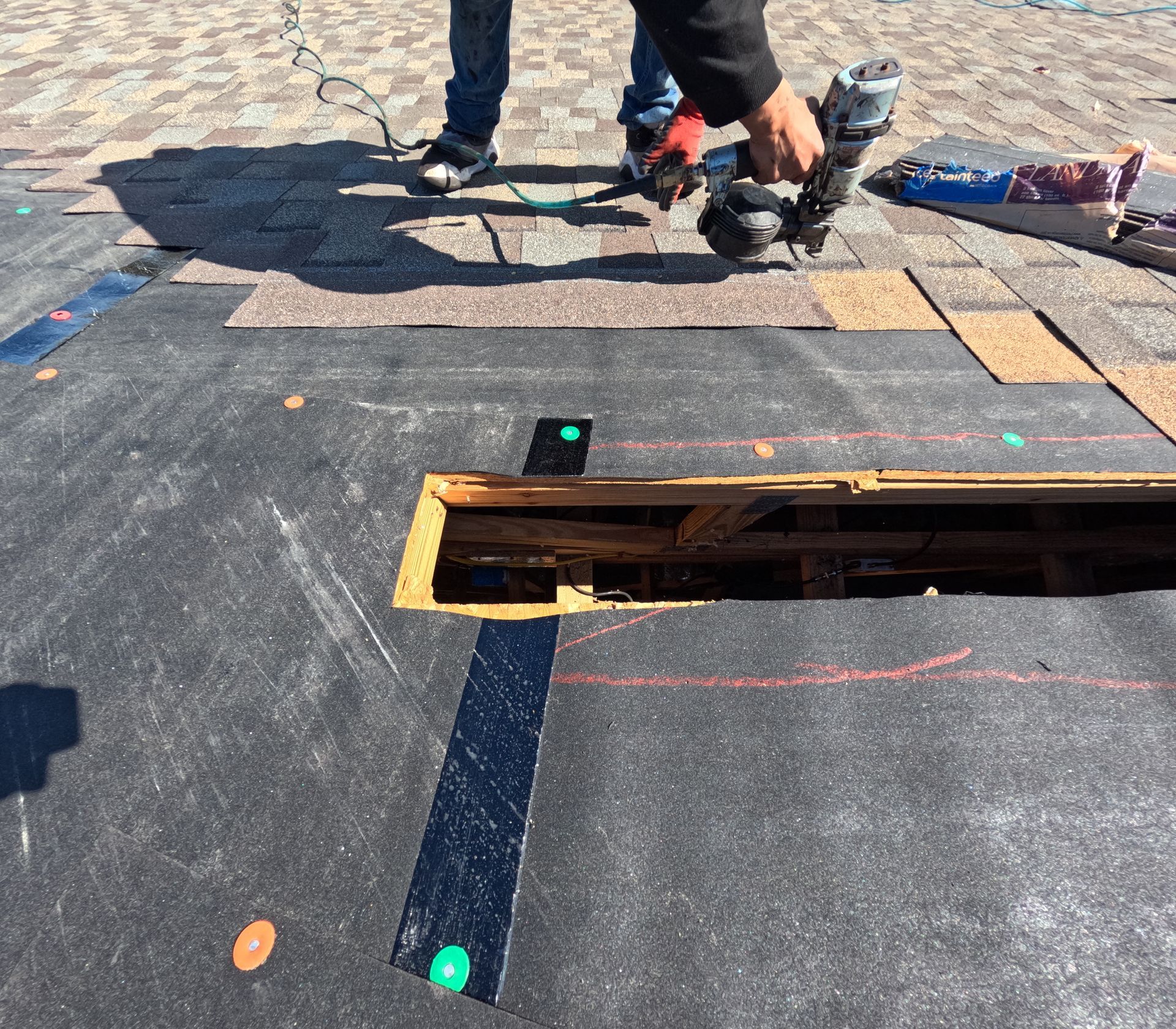
Perimeter details, attachment points, and visible drainage routes are reviewed when they influence the leak or show storm-related movement.
Ask About Repair Scope →Revildor® is a Florida-certified roofing contractor serving Central Florida since 2007 with residential and commercial repair, maintenance, replacement, and storm inspection services.
For commercial leaks, the team documents the source area, explains how the repair fits the existing roof, and helps property owners understand when repeated spot work should give way to a broader plan.
Revildor® provides commercial roof leak repair across Clermont, South Lake County, and nearby Central Florida communities for supported commercial roofing scopes.
These answers cover active leaks, repeat patches, storm damage, repair versus replacement, business access, inspection scope, cost factors, and service coverage.
Protect the interior area as safely as possible, document where water is appearing, and arrange a roof inspection. The visible drip may not sit directly below the exterior opening, so the roof area above and nearby transitions need review.
Yes, when the defect is localized and the surrounding roof remains serviceable. If leaks are appearing in several areas or the roof shows widespread wear, a larger repair or replacement discussion may be more practical.
A prior patch may not have addressed the original source, or water may be entering from another transition and following the same interior path. Repair history, flashing, penetrations, drainage, and nearby roof condition should be reviewed together.
Yes. Storm damage inspections are part of the supported roofing services. The review can focus on visible movement, debris impact, flashing, penetrations, edges, and other conditions related to the reported leak.
The work area and access needs depend on the roof, leak location, and repair scope. Revildor® can define the expected work zone before scheduling so the property team can plan around normal operations.
The inspection can include the suspected roof area, flashing, penetrations, edges, valleys where present, drainage paths, fasteners, sealants, prior repairs, and visible storm or moisture indicators.
Roof access, size of the affected area, leak source, existing roof material, flashing and penetration condition, drainage, storm damage, prior repairs, and the amount of surrounding wear all influence the scope.
Revildor® serves Clermont and nearby South Lake County communities listed on this page. Availability depends on the property address, roof access, and requested commercial roofing work.
Contact Revildor® for commercial roof leak repair in Clermont when your property has active water entry, repeat leaks, storm concerns, flashing problems, or wider roof wear that needs a clear plan.