Leak Source Tracing
We trace staining and moisture signs back to likely roof transitions, then inspect the flashing, nearby roofing, sealant lines, and drainage path before setting the repair scope.
Trace a Flashing Leak →
Flashing protects the changes in a roof where flat surfaces alone cannot reliably shed water. In Clermont, those transitions see hard rain, shifting wind, intense sun, humidity, and storm-driven water that can expose even a small opening.
Revildor® repairs roof flashing for Clermont homes at walls, valleys, vents, pipe penetrations, skylights, roof edges, and other transitions where a leak can start away from the stain you see indoors.
The repair starts with the surrounding roof, not just the visible metal. We look at shingles or other roof surfaces, underlayment, fasteners, sealants, edges, drainage, and the condition of the adjoining detail so the scope addresses the path water is actually taking.
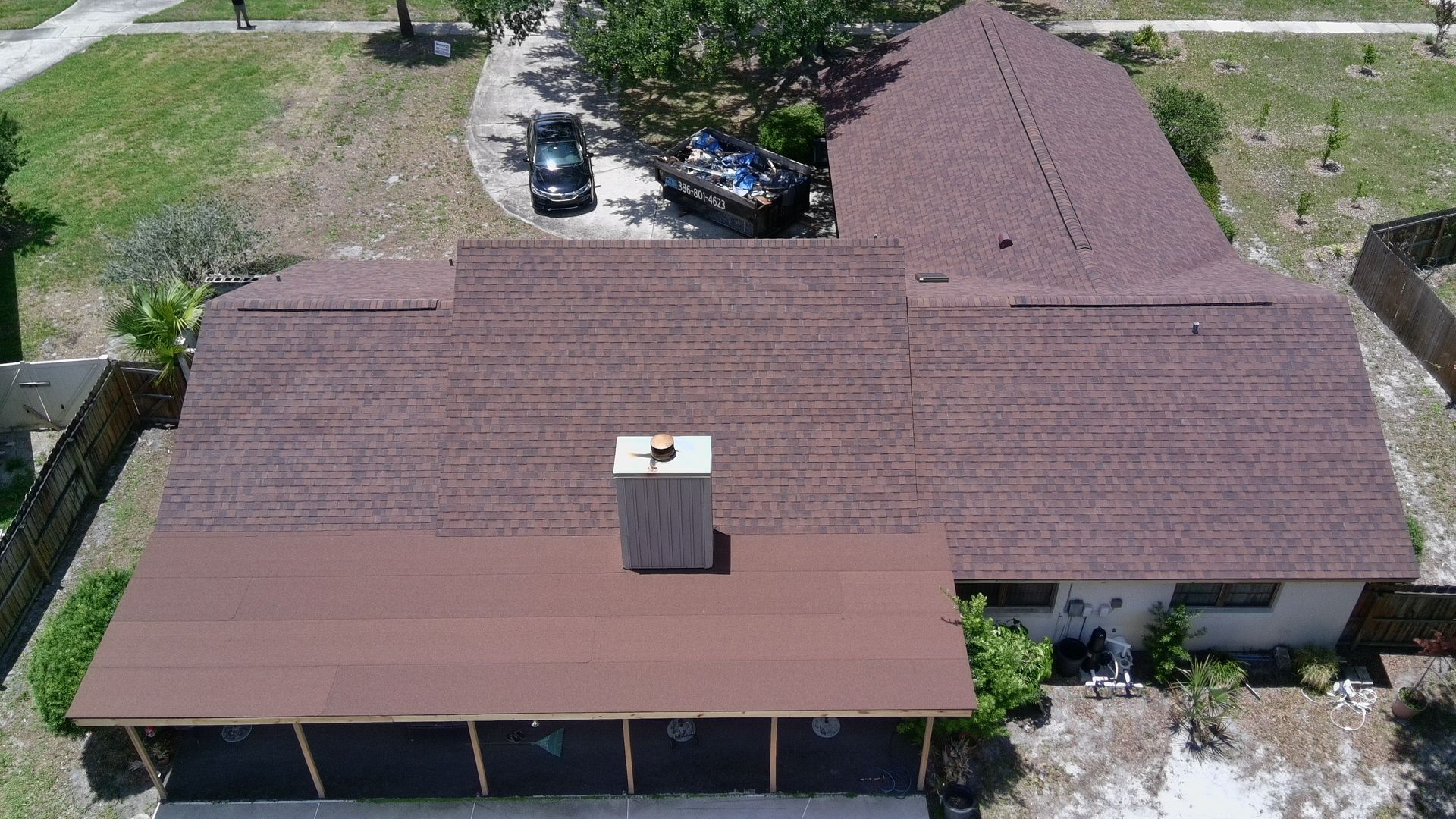
A flashing leak can involve one loose edge or several connected roof components. Revildor® evaluates the full transition before recommending a repair.
We trace staining and moisture signs back to likely roof transitions, then inspect the flashing, nearby roofing, sealant lines, and drainage path before setting the repair scope.
Trace a Flashing Leak →Repairs address weak points where a roof plane meets a wall and wind-driven rain can reach an open lap, loose edge, worn seal, or damaged surrounding roofing.
Discuss Wall Flashing Repair →Roof penetrations receive close attention because the flashing, fasteners, surrounding roof surface, and seal all have to work together to keep water out.
Review Penetration Flashing →When a larger roof section has reached the end of its useful condition, flashing is reviewed as part of replacement planning rather than treated as a separate cosmetic patch.
Compare Repair and Replacement →Strong gusts and wind-driven rain can disturb edges and roof transitions without creating an immediate indoor drip. A storm review can identify movement before the next heavy rain.
Get Post-Storm Help →For repeat leaks or older repairs, we document the transition, nearby roof condition, prior patching, and practical next steps so the same spot is not guessed at again.
Request a Flashing Review →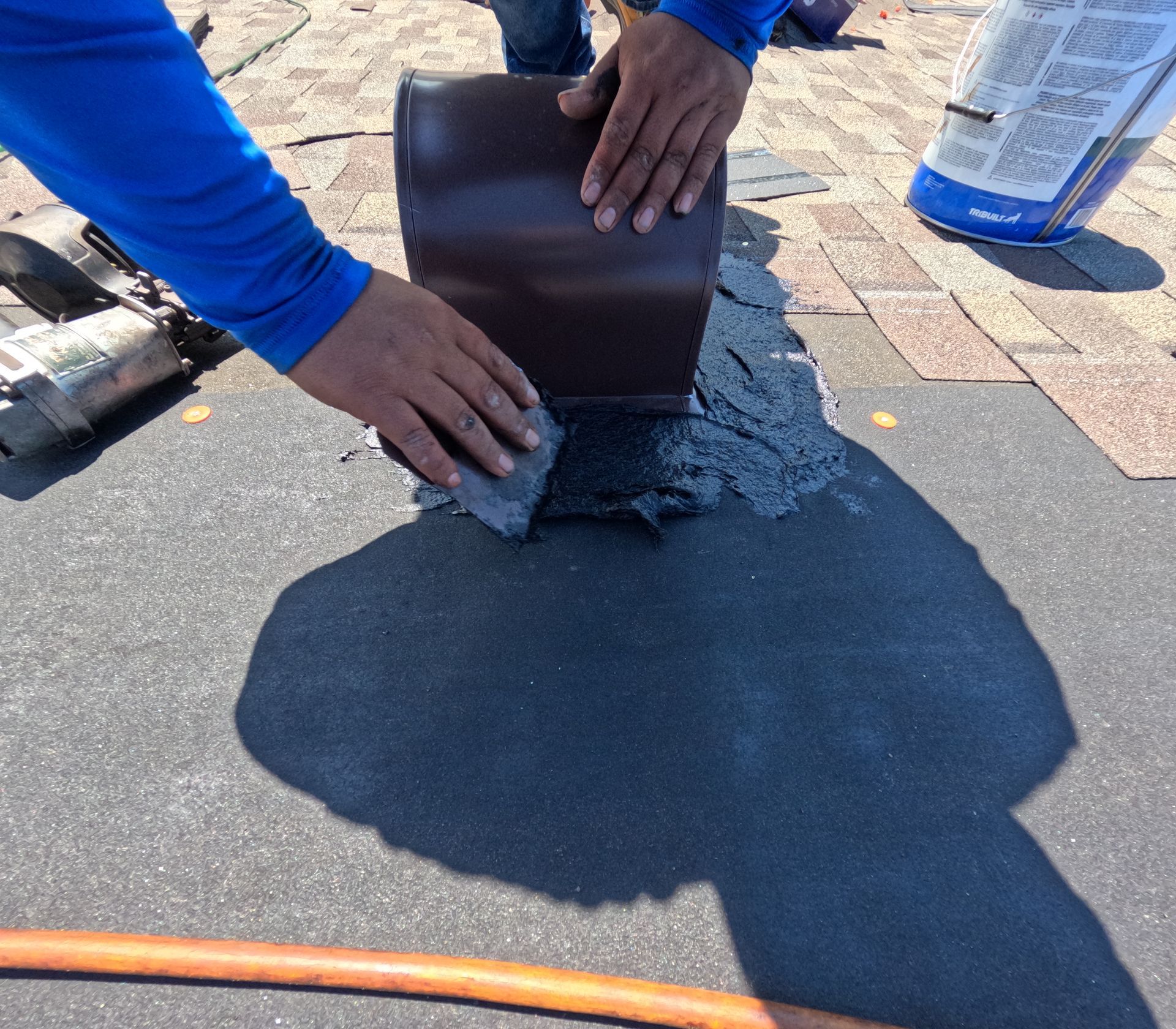
Clermont rain can arrive fast and sideways. When flashing is loose, poorly sealed, damaged, or no longer working with the surrounding roof, water may travel along the deck before it appears inside.
The stain is not always directly below the failed detail. Hillside wind, broad roof planes, valleys, walls, and roof penetrations can redirect water. That is why a repair should start with the water path instead of covering the nearest visible gap with more sealant.
Clermont roof details can age differently from one property to the next. Elevation, open land, lake exposure, roof pitch, shade, drainage direction, and earlier repairs all affect how water reaches flashing.
On elevated or open lots, gusts can work at perimeter pieces, wall transitions, ridges, and other exposed details. A slight lift can become a water entry point during the next storm.
Wind-driven rain can press water against roof-to-wall areas instead of letting it fall straight down the roof. Flashing and surrounding roofing need to remain tight and correctly layered.
Broad rooflines in Clermont can move a large amount of water toward valleys and lower transitions. Flashing problems become more noticeable where drainage is concentrated.
Established homes may have patched flashing, replaced vents, additions, or mixed-age roof areas. Each connection deserves inspection before another repair is placed over it.
A good flashing repair is based on what the surrounding roof is doing. Revildor® documents the detail, explains the repair limit, and makes the transition part of the roof system again.
We review the visible flashing, nearby roof surface, fasteners, sealants, underlayment edges, stains, drainage, and any earlier repair work that may affect the leak.
If the flashing problem is isolated, we define a focused repair. If nearby roofing is worn or damaged, we explain why a larger scope may provide a more dependable result.
The approved work addresses the flashing and the roof materials that must be opened, reset, replaced, or resealed to restore the water-shedding detail.
We check the repaired transition, surrounding roof surface, cleanup, and visible water-shedding path, then explain any remaining roof conditions worth watching.
The exact repair depends on where the leak is occurring and what surrounds it. The goal is to restore the layers and connections that move water away from the opening.
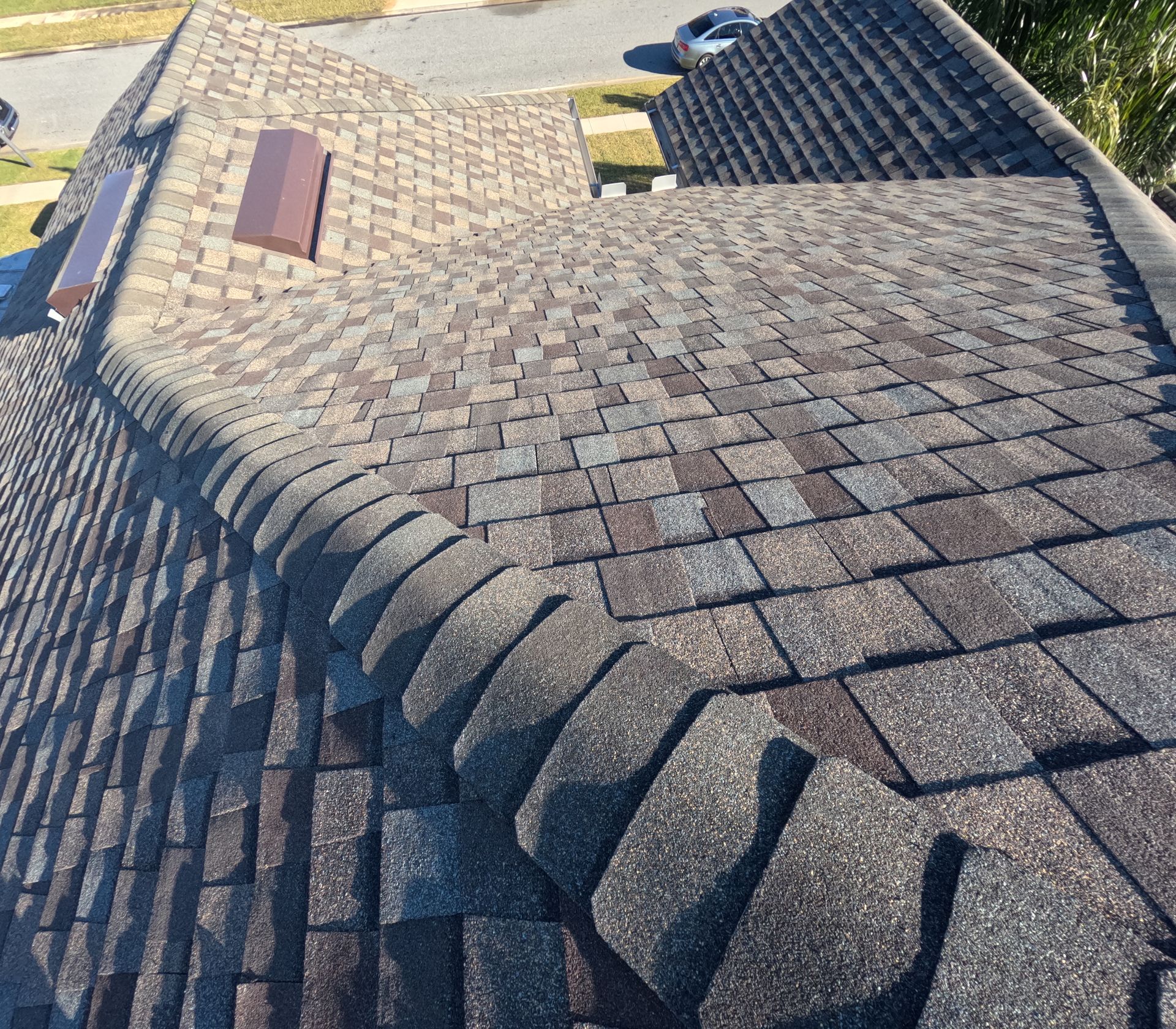
Flashing protects changes in direction and vulnerable intersections. Its shape, placement, and condition are reviewed together with the adjoining roof surface.
Discuss Flashing Details →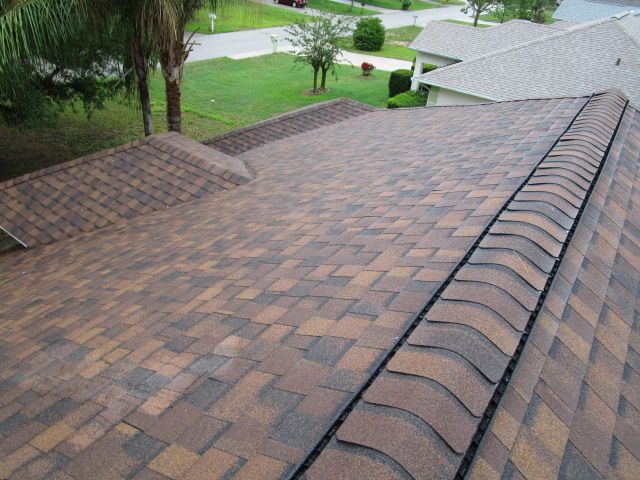
A durable repair may involve the roofing and underlayment beside the flashing when those layers are torn, worn, poorly lapped, or damaged by earlier work.
Review the Repair Area →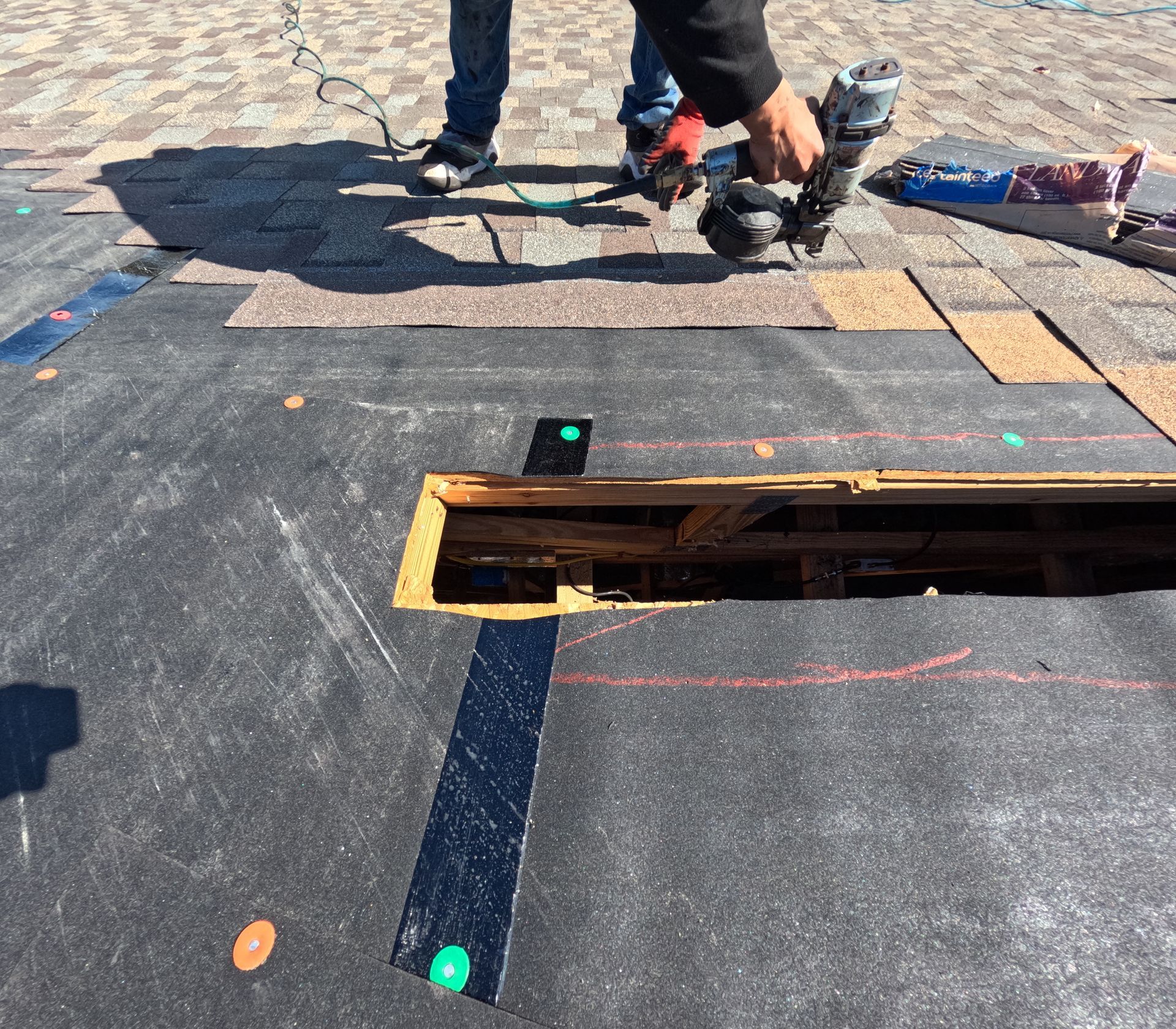
Fasteners and sealants support specific roof details, but they should not be used as a substitute for correcting a failed transition or poorly seated flashing.
Ask About Repair Scope →Revildor® has served Central Florida since 2007 and handles roof repair, replacement, maintenance, storm inspections, and related exterior work for residential and commercial properties.
That broader view matters when a flashing leak sits between several components. The team can explain what is damaged, what is still serviceable, and whether a local repair or a larger roof scope makes more sense.
Revildor® provides roof flashing repair throughout Clermont, South Lake County, and nearby Central Florida communities for supported residential and commercial roofing needs.
These answers cover leak tracing, repair scope, storm checks, roof penetrations, repeated patches, replacement decisions, service coverage, and project planning.
Interior staining near a wall, vent, pipe penetration, valley, or skylight can point toward flashing, but water may travel before it becomes visible. The repair should begin with an inspection of the transition and the surrounding roof.
Often, yes, when the defect is isolated and nearby roofing remains serviceable. If the surrounding roof is worn, damaged, or repeatedly patched, the practical repair area may need to be larger.
Wind-driven rain can push water against roof transitions from directions that normal rainfall does not. A small opening may stay dry in light rain and leak when gusts and heavier water reach the same detail.
It can. The flashing has to connect correctly with nearby roofing and underlayment, so the approved scope may include opening, resetting, or replacing material around the transition.
Sealant can be part of some roof details, but it should not hide a loose, damaged, or poorly connected flashing assembly. Revildor® evaluates the actual transition before recommending the repair.
A review can be useful after strong wind or wind-driven rain, especially if the roof has new staining, moved materials, or a history of leaks at walls, vents, valleys, or penetrations.
Service coverage includes Clermont and nearby South Lake County communities listed on this page. Availability depends on the address, roof access, and requested scope.
The location of the detail, roof material, access, leak path, condition of nearby roofing, underlayment, prior repairs, storm damage, and whether the problem is isolated or part of wider roof wear all matter.
Contact Revildor® for a Clermont roof flashing inspection when you see staining, a repeat leak, loose flashing, or storm-related movement around a roof transition.