Valley Leak Repair
We trace moisture signs back to the valley, inspect the channel and adjoining roof surfaces, and identify the damaged layers that need repair.
Discuss Valley Leak Repair →
A roof valley collects runoff from adjoining slopes and carries it toward the eaves. During Clermont downpours, that narrow drainage path can move far more water than the roof surfaces beside it, which makes even a small defect worth taking seriously.
Revildor® repairs leaking and damaged roof valleys for Clermont homeowners when staining, worn roofing, storm impact, failed flashing, or repeated patching shows the drainage channel is no longer working as intended.
We inspect the valley surface, nearby roofing, underlayment, flashing, fasteners, edges, and the roof planes feeding water into it. The goal is to identify whether the problem is truly local or connected to broader roof wear.
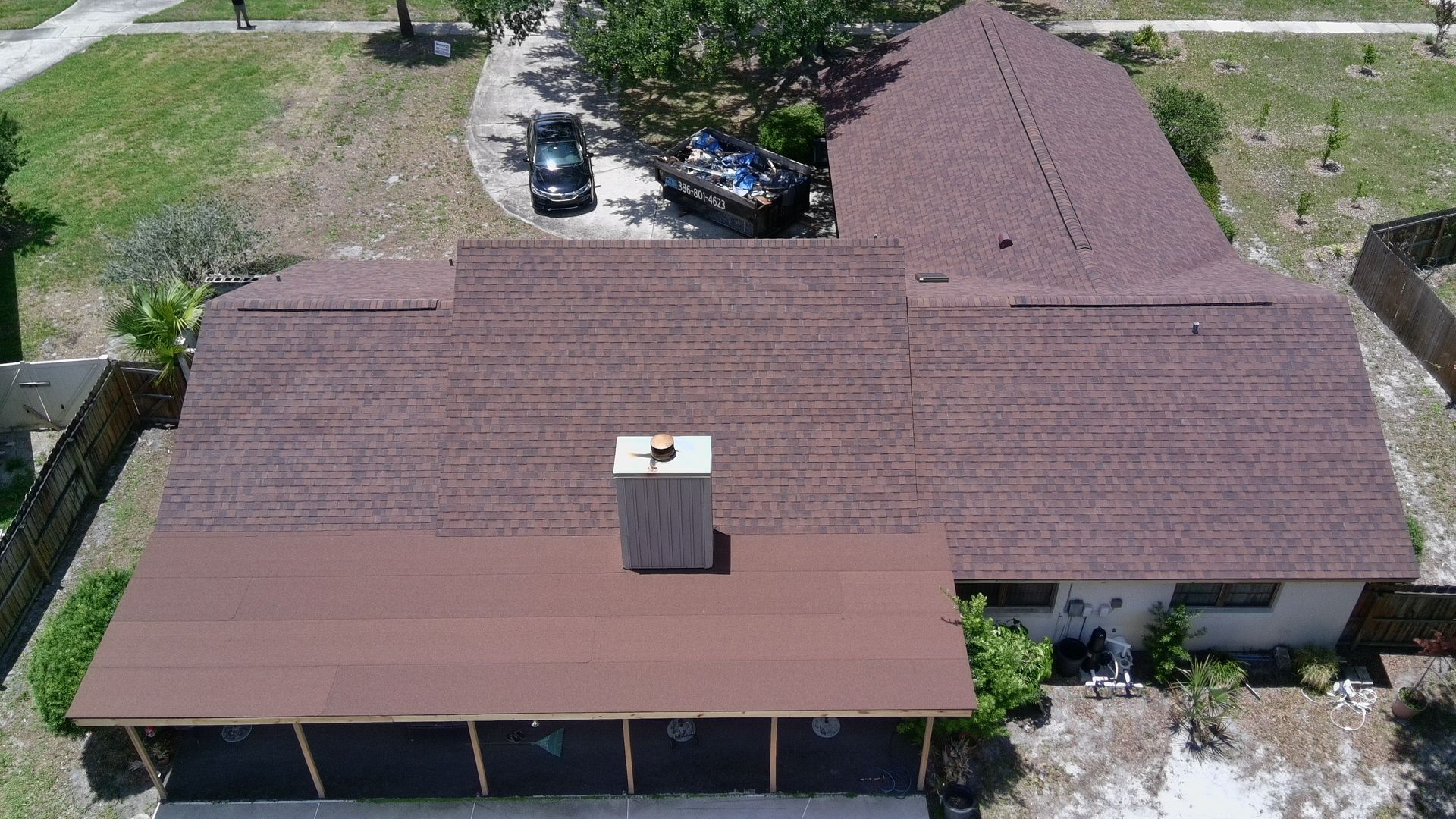
Valley work has to account for both roof slopes and the water they deliver. Revildor® evaluates the channel, adjoining roofing, and visible drainage path before setting the scope.
We trace moisture signs back to the valley, inspect the channel and adjoining roof surfaces, and identify the damaged layers that need repair.
Discuss Valley Leak Repair →Where flashing is part of the valley detail, we check for movement, open edges, wear, or poor connections with the roofing beside it.
Review Valley Flashing →Cracked, slipped, lifted, or worn roofing next to the channel can let water move below the surface before it reaches the lower roof edge.
Repair Adjacent Roofing →When visible conditions point below the roof surface, the repair scope may include damaged underlayment in the valley area instead of another top-side patch.
Compare Repair Scope →Wind, debris, and hard rain can damage valleys or the roof planes draining into them. A storm review can identify movement and impact before the next heavy rain.
Get Post-Storm Help →If multiple valleys are worn or the surrounding roof is near replacement condition, we explain when local repair becomes poor value compared with a broader roofing project.
Plan the Next Step →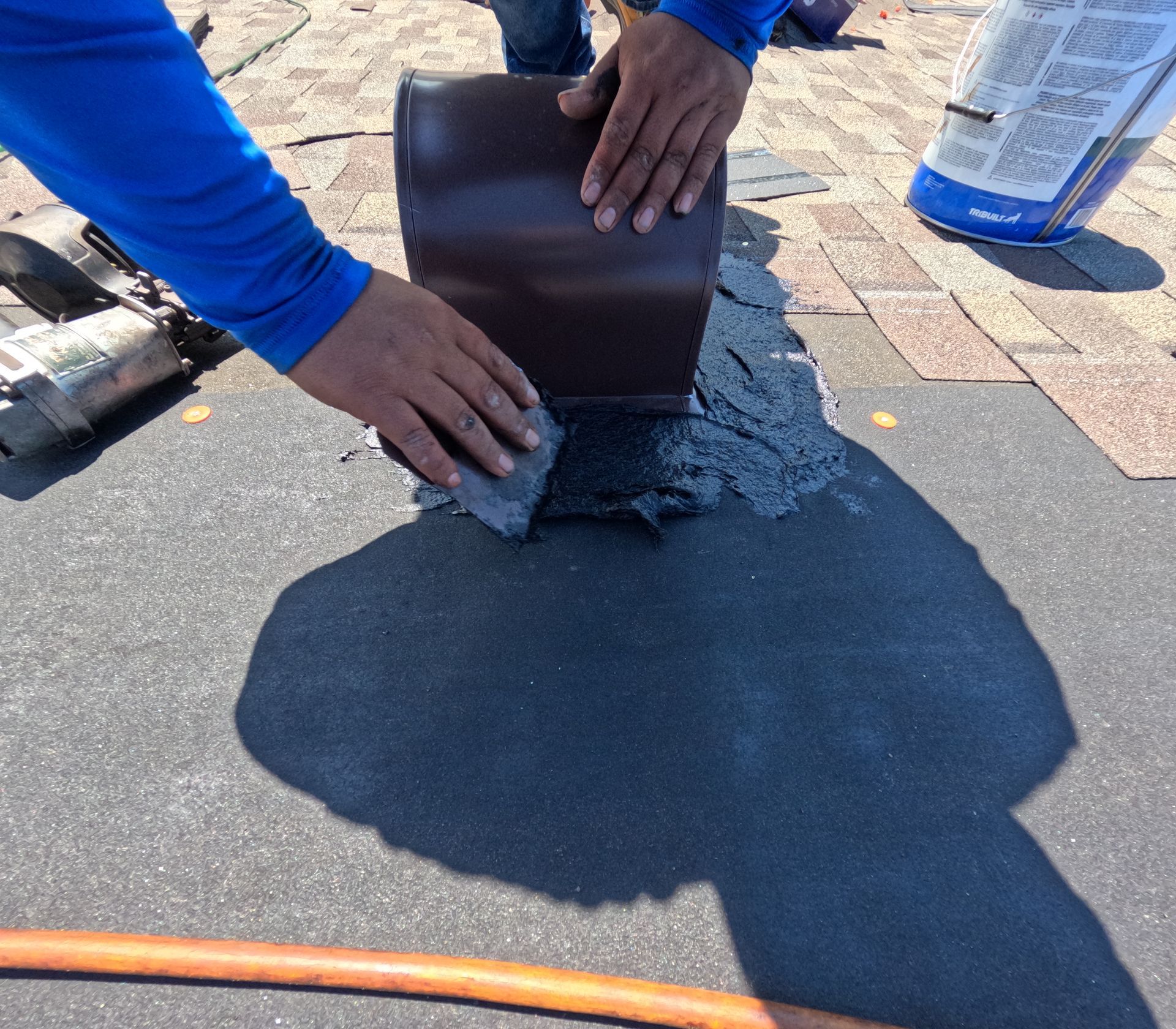
Clermont valleys handle concentrated runoff during hard rain. When roofing, flashing, or underlayment at the channel is worn or damaged, water can move sideways beneath the surface and show up well away from the visible valley line.
Complex rooflines add more intersections and longer drainage paths. A large hip roof in Kings Ridge or Sawgrass Bay may direct several roof planes toward one valley, while older homes may have previous patches that make the original water path harder to read.
Clermont terrain, broad rooflines, open lots, lake weather, and newer multi-slope designs can all change how much water reaches a roof valley and how quickly it needs to drain.
Broad hips and intersecting roof planes can send runoff from a large surface area into a single valley. That makes the condition of the channel and adjoining roofing especially important.
Strong gusts can push rain across a valley instead of straight down it. Open edges or lifted roofing beside the channel may leak only during these more demanding storms.
Leaves and airborne debris can collect in valleys, especially near trees. Slower drainage keeps water against roof materials longer and can expose weak repairs.
Established roofs may contain repaired valleys, replaced vents, mixed-age shingles, or added roof sections. Earlier work should be understood before the valley is opened again.
Revildor® looks at the entire water route feeding the valley. That helps prevent a repair from stopping at the first visible defect while another opening remains higher on the roof.
We review the valley channel, adjoining roofing, flashing, underlayment edges, fasteners, drainage, nearby penetrations, and signs of prior repair on both sides.
We separate a localized valley defect from widespread roof aging, storm damage, or repeated patching so the recommended scope matches the condition found.
The approved work addresses the damaged roofing, flashing, underlayment, fasteners, and seals needed to restore the valley as a reliable drainage path.
After repair, we check the visible channel, nearby roof surface, lower drainage path, cleanup, and any remaining roof conditions that should be watched or planned for.
The exact build-up varies with the roof, but the valley must move water across the surface while the layers below protect against water that reaches the channel edges.
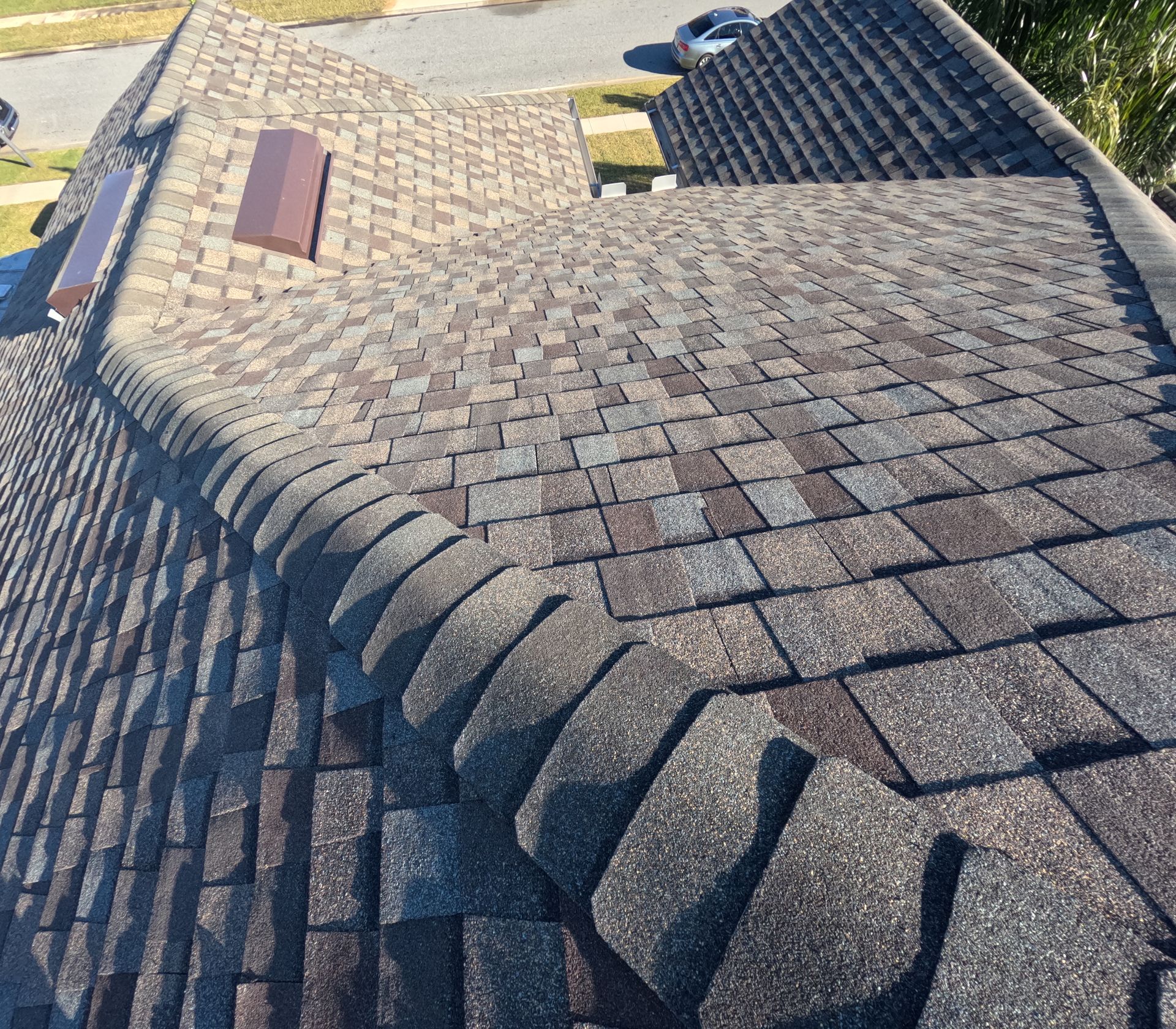
The roof materials forming the visible channel are checked for wear, movement, cracks, missing pieces, and earlier repair work that may interfere with drainage.
Review Valley Surface →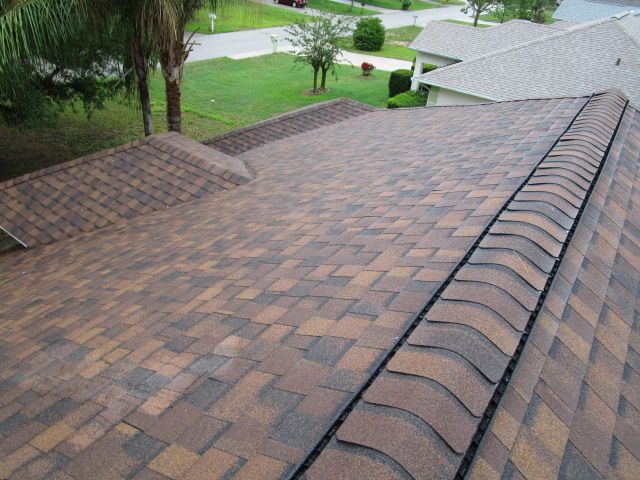
Where flashing and underlayment are part of the valley system, they are evaluated as connected layers rather than separate patch points.
Discuss Valley Layers →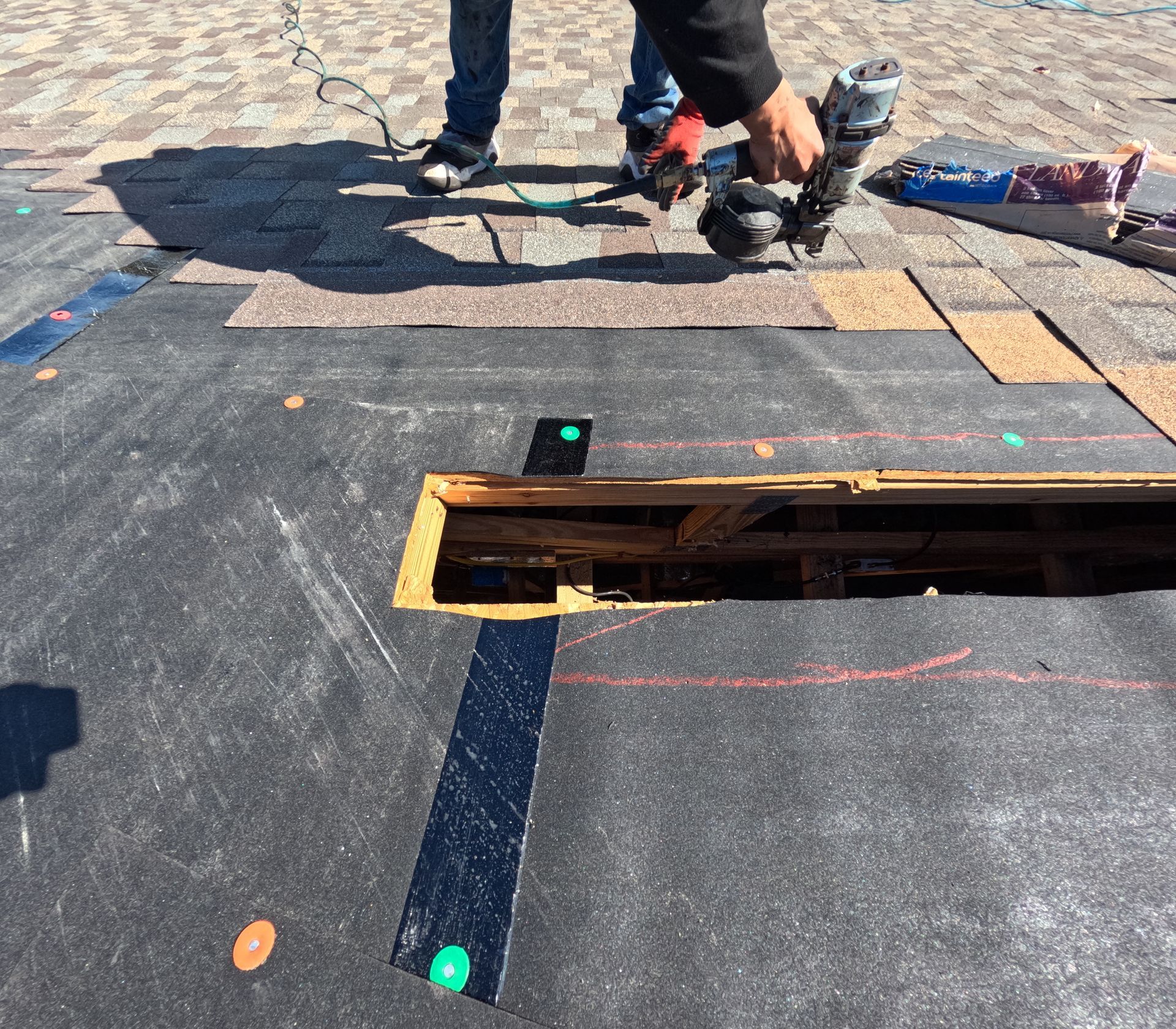
Attachment points and lower drainage details are checked for openings or movement that can let water leave the intended path.
Ask About Valley Repair →Revildor® has served Central Florida roofing needs since 2007, with repair, replacement, maintenance, storm inspections, and experience across different roof materials.
For valley leaks, the team looks at the high-flow channel, the roof slopes feeding it, and the condition of surrounding components before recommending a local repair or larger scope.
Revildor® provides roof valley repair across Clermont, South Lake County, and nearby Central Florida communities for supported roofing systems and repair scopes.
These answers cover warning signs, drainage, flashing, underlayment, storms, repair versus replacement, scope factors, and service coverage around Clermont.
Valleys collect runoff from two roof slopes, so they carry concentrated water. A small opening in roofing, flashing, or underlayment may stay unnoticed until a stronger storm sends more water through the channel.
Yes, when the defect is localized and the surrounding roof remains serviceable. Widespread aging, several failing valleys, or extensive prior patching can make a broader roofing scope more practical.
Interior staining near the valley line, cracked or slipped roofing, visible open seams, exposed fasteners, damaged flashing, debris buildup, and repeat leaks during hard rain are common reasons to schedule an inspection.
It can when the water path or visible roof condition shows the layer below the surface is involved. The amount of roofing that must be opened depends on the location and extent of the damage.
Yes. Wind can move roofing or flashing, and debris can damage the channel while the roof remains dry in light weather. The opening may only show itself when a later downpour reaches it.
A surface patch may not correct damaged underlayment, loose adjoining roofing, an open flashing edge, drainage problems, or water entering higher up the channel. The full valley path should be reviewed.
Valley length, roof access, roof material, flashing and underlayment condition, nearby roof wear, prior patches, storm damage, and how much runoff reaches the channel all influence the repair.
Revildor® serves Clermont and the surrounding South Lake County communities listed on this page. Availability depends on the property address, roof access, and requested work.
Contact Revildor® for a Clermont roof valley inspection when you see staining, damaged roofing, repeat patch failures, storm movement, or drainage concerns along a valley.