Roof Vent Leak Repair
We inspect the vent opening, flashing, fasteners, sealant lines, and nearby roofing to find the likely water path before defining a focused repair.
Discuss Vent Leak Repair →
A roof vent creates a necessary opening through the roof surface, which means the vent, flashing, nearby roofing, and underlayment must stay connected while exposed to Clermont heat, hard rain, humidity, and wind.
Revildor® repairs roof vent leaks and damaged vent details for Clermont properties when staining, loose materials, storm movement, or aging roof components point back to the vent area.
We inspect the vent housing, flashing, surrounding shingles or roof surface, fasteners, sealants, underlayment, and nearby drainage. If the concern also involves airflow or broader roof wear, that is explained separately before work moves forward.
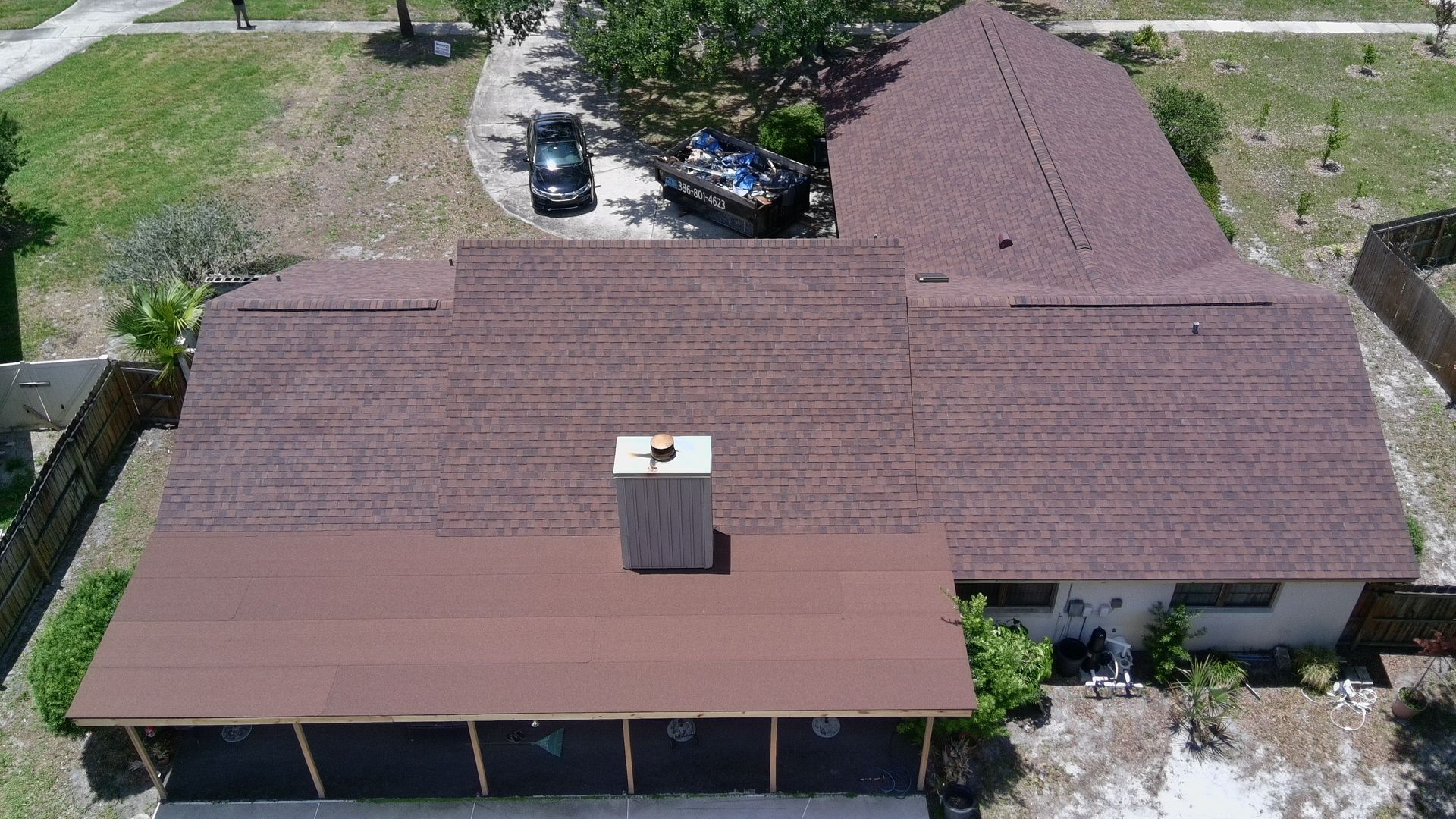
Vent problems are rarely solved by looking at the vent cover alone. Revildor® checks the complete penetration and the roof materials that direct water around it.
We inspect the vent opening, flashing, fasteners, sealant lines, and nearby roofing to find the likely water path before defining a focused repair.
Discuss Vent Leak Repair →Loose or damaged flashing around the vent can allow rain beneath the roof surface. The repair is coordinated with the surrounding roofing instead of treated as an isolated metal piece.
Review Vent Flashing →When the vent component itself is no longer serviceable, replacement can be planned with the roofing and seals around the opening so the full detail is restored.
Ask About Vent Replacement →Missing, loose, cracked, or worn roofing beside a vent can contribute to leakage. We identify what around the opening needs repair instead of blaming the vent automatically.
Compare Repair Options →Gusts and airborne debris can disturb roof vents or the roofing around them. A post-storm review checks for movement, open edges, and related roof damage.
Get Post-Storm Help →For older roofs, we can evaluate vent details together with valleys, pipe penetrations, flashing, edges, drainage, and visible signs of roof wear.
Request a Roof Review →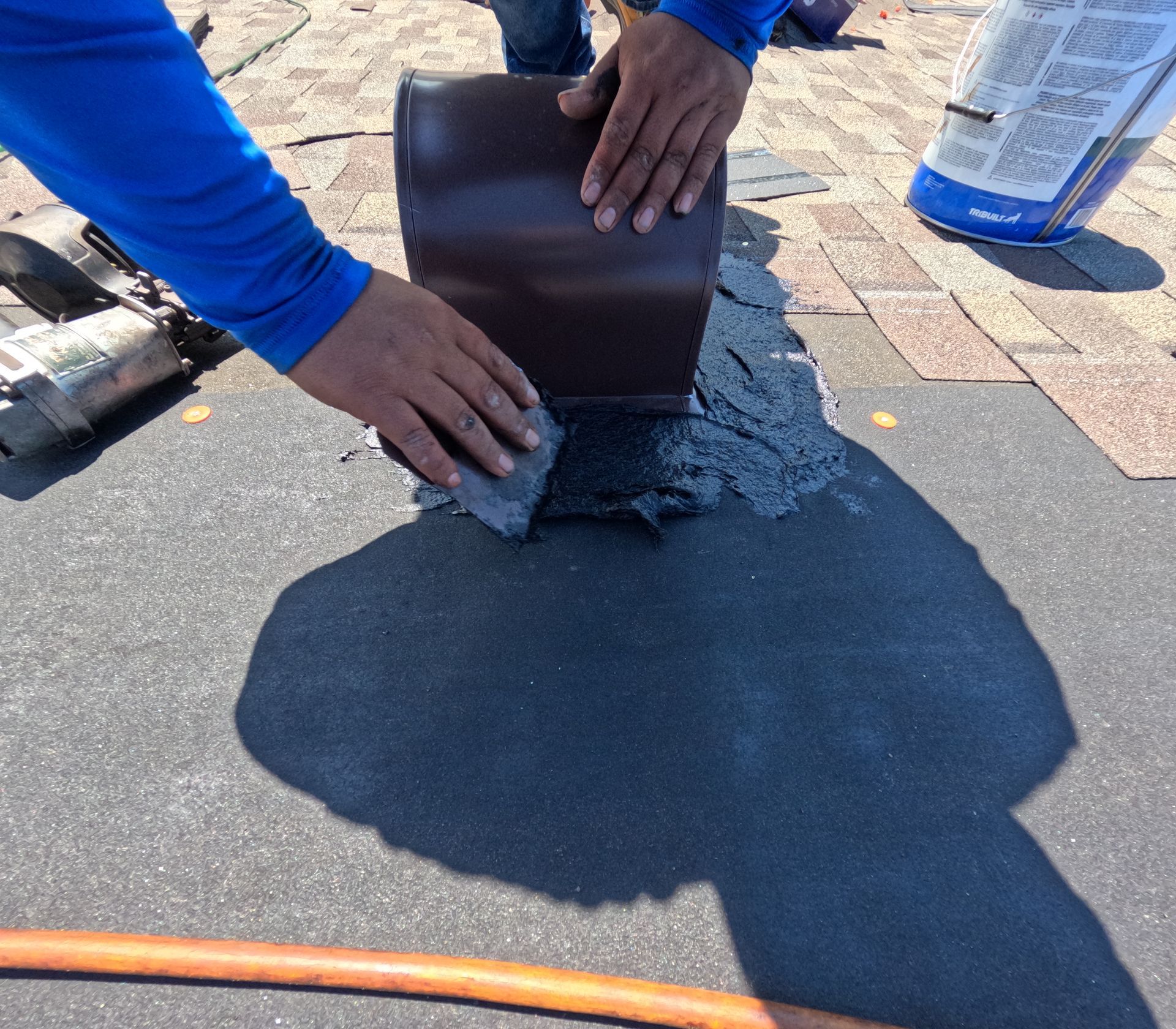
Water entering near a roof vent can move along the roof deck before showing up on a ceiling. Strong rain and shifting wind make that path even less obvious on exposed Clermont properties.
A useful inspection compares the vent with the roof around it. Loose shingles, flashing movement, exposed fasteners, old sealant, or storm damage can all create a leak at the same location, while an airflow concern may be a separate issue.
Roof vents sit in direct weather with little protection. In Clermont, sun exposure, humid heat, open-lot wind, lake breezes, and tropical rain can all reveal weaknesses at the vent and the roofing around it.
Vent housings, flashings, sealants, and nearby roofing receive repeated heating and cooling. Visible movement or aging at the opening should be inspected before it becomes an active leak.
Vents on elevated or open roof sections can take stronger gusts. A loose edge or shifted component may not leak until wind-driven rain arrives from the right direction.
A vent interrupts the roof surface, so water must be directed around the opening correctly. Hard rainfall can exploit a weak flashing lap or damaged surrounding roofing.
An older roof may have newer vents, older flashing, previous patches, or replaced roofing nearby. The condition of each layer needs to be considered together.
Revildor® bases vent repair on visible roof conditions and the likely water path. The team explains what belongs in the repair and what should be monitored separately.
We review the vent component, flashing, surrounding roofing, fasteners, sealants, visible underlayment edges, drainage, and any interior signs that help locate the leak path.
The vent itself may be damaged, or the leak may come from flashing, shingles, fasteners, or an earlier patch. We separate those conditions before recommending work.
The approved scope addresses the damaged vent or surrounding roof components needed to restore a sound, water-shedding penetration.
After the repair, we check the finished opening, nearby roof surface, cleanup, and any broader ventilation or roof conditions that deserve a separate discussion.
The visible vent is only one piece. The repair may also involve flashing, roof covering, underlayment, fasteners, and sealant where the opening meets the roof.
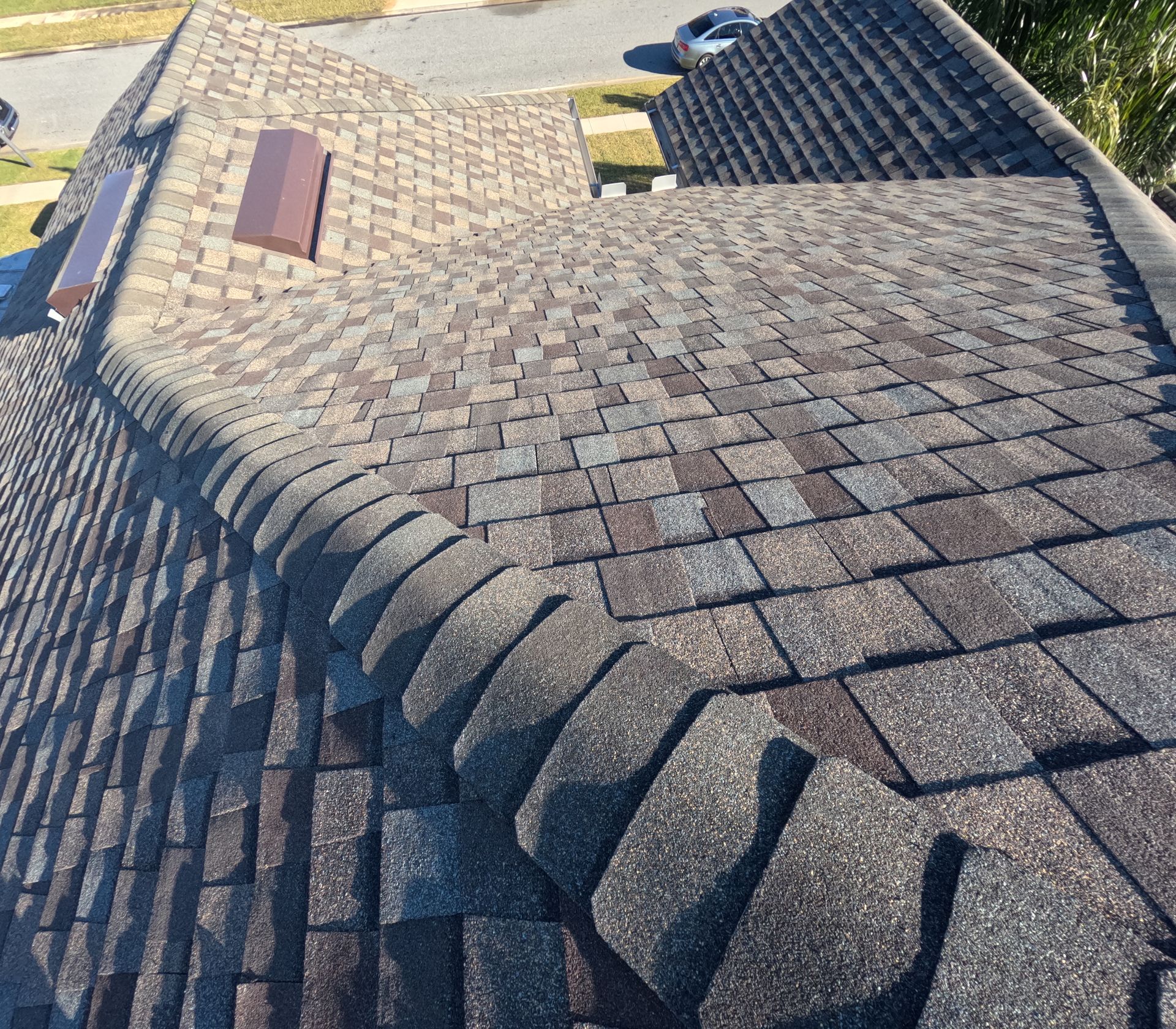
The vent component is checked for visible damage, fit, and stability so the repair can address the opening instead of only the symptom below it.
Review Vent Condition →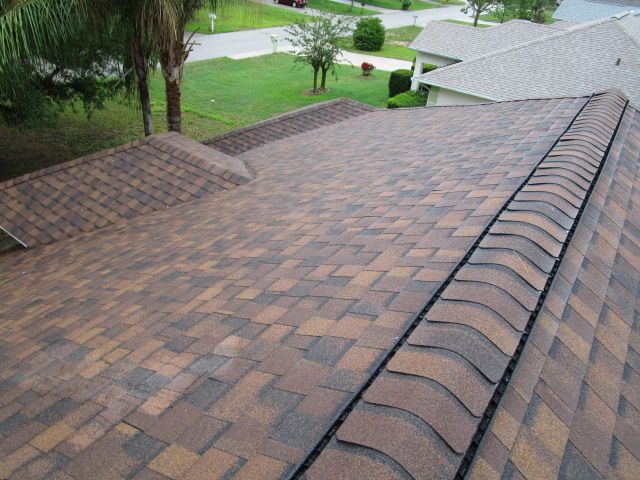
Flashing and nearby roofing are inspected together because a leak can start at a loose edge, worn roof material, or failed connection around the vent.
Discuss Vent Flashing →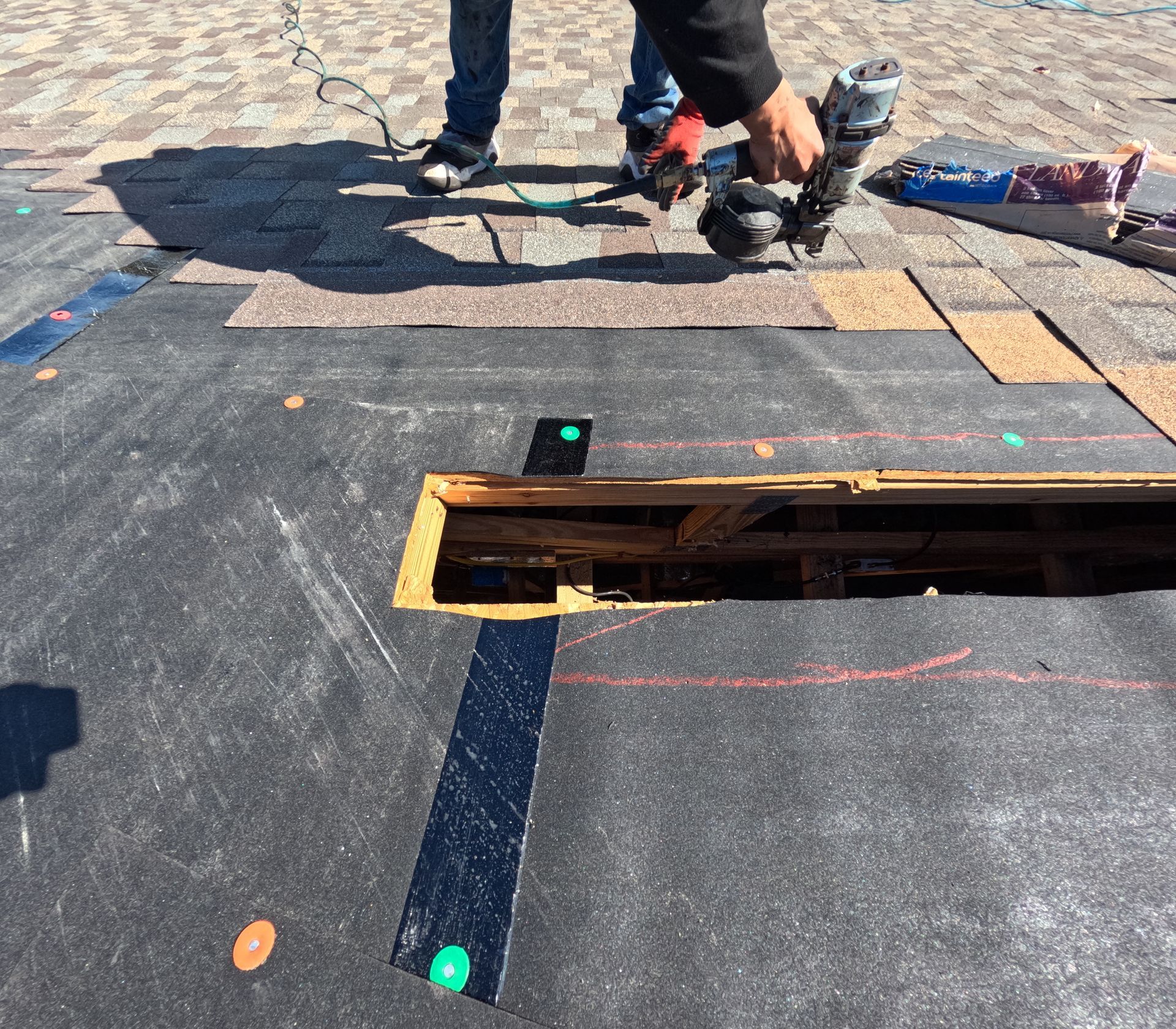
Supporting layers and attachment points matter at every penetration. We include them in the repair discussion when visible conditions show they are involved.
Ask About Roof Components →Revildor® has provided roofing work in Central Florida since 2007, including repair, maintenance, replacement, storm inspection, and ventilation-related service.
That experience helps the team distinguish a damaged vent from a flashing problem, surrounding roof wear, or a broader roof condition that needs a different scope.
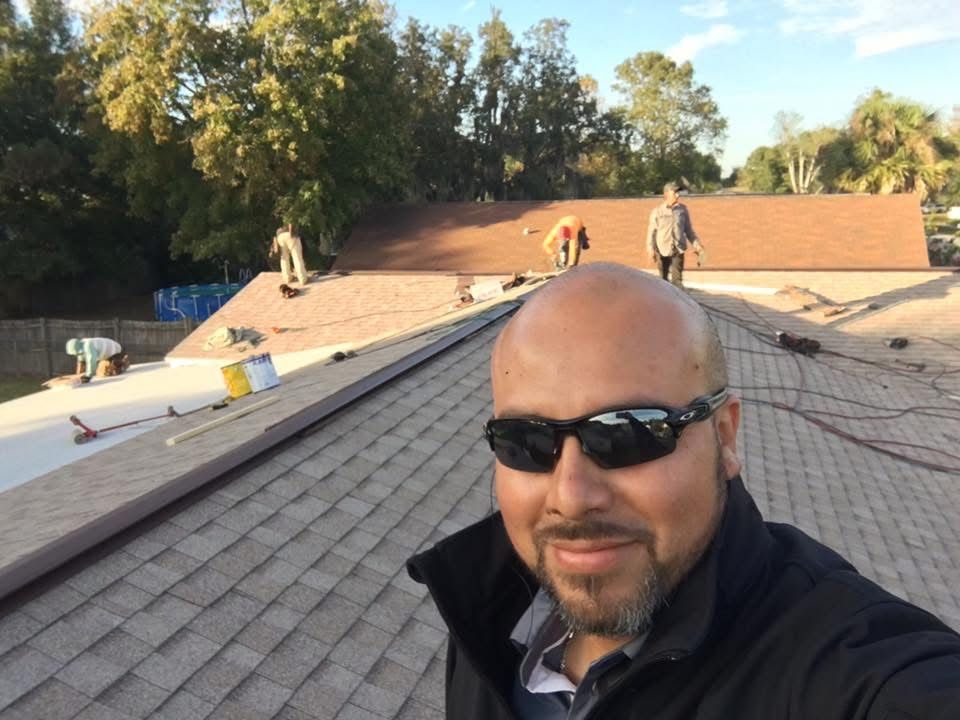
Revildor® provides roof vent repair throughout Clermont, South Lake County, and nearby Central Florida communities for supported roof and ventilation concerns.
These answers cover leak symptoms, vent replacement, flashing, storm movement, surrounding roofing, ventilation concerns, scope factors, and local service coverage.
Staining below the vent area, damp roof materials, visible gaps, loose flashing, exposed fasteners, or a shifted vent can point to the penetration. The roof around the vent should also be inspected because the leak may start beside it.
Yes, when the vent problem and surrounding damage are localized and the nearby roof remains serviceable. Wider wear, repeated leaks, or damaged underlayment can increase the repair area.
Then the repair can focus on the surrounding roof components rather than replacing a serviceable vent. The flashing, roofing, fasteners, sealants, and visible underlayment are checked together.
A storm review can be useful when strong wind or debris has moved the vent, lifted nearby roofing, opened a flashing edge, or created new interior staining after heavy rain.
Revildor® provides ventilation-related roofing work, but a leak repair and an airflow concern are not automatically the same problem. The inspection should identify which condition is present and what scope each requires.
Sealant may not correct a shifted vent, loose flashing, damaged surrounding roofing, or water entering from higher on the slope. Repeat leakage deserves a full penetration review before another surface patch.
Vent condition, flashing, roof material, underlayment, access, fasteners, prior repairs, storm damage, and the amount of surrounding roof wear all influence the repair plan.
Service is available across Clermont and nearby South Lake County communities shown on this page, subject to property address, roof access, and requested scope.
Contact Revildor® for a Clermont roof vent inspection when you notice staining, a loose vent, damaged flashing, moved roofing, or a repeat leak around the opening.