Localized Underlayment Leak Repair
When the leak points to a defined roof area, we inspect the tile above it, nearby transitions, and the underlayment zone that may need to be accessed for repair.
Discuss Underlayment Repair →

Roof tile is the outer covering, but the layer beneath it also plays a critical role in managing water. When underlayment or a connected transition is damaged, moisture can reach the roof deck even when much of the tile above still looks intact.
Revildor® evaluates tile roof leaks in Clermont when water appears near valleys, walls, vents, pipe penetrations, edges, or other areas where the underlayment and roof details work together.
The inspection looks beyond the interior stain. We review accessible tile areas, flashing, penetrations, valleys, drainage, visible underlayment edges, prior repairs, and the roof sections above the leak before defining how much of the roof must be opened.
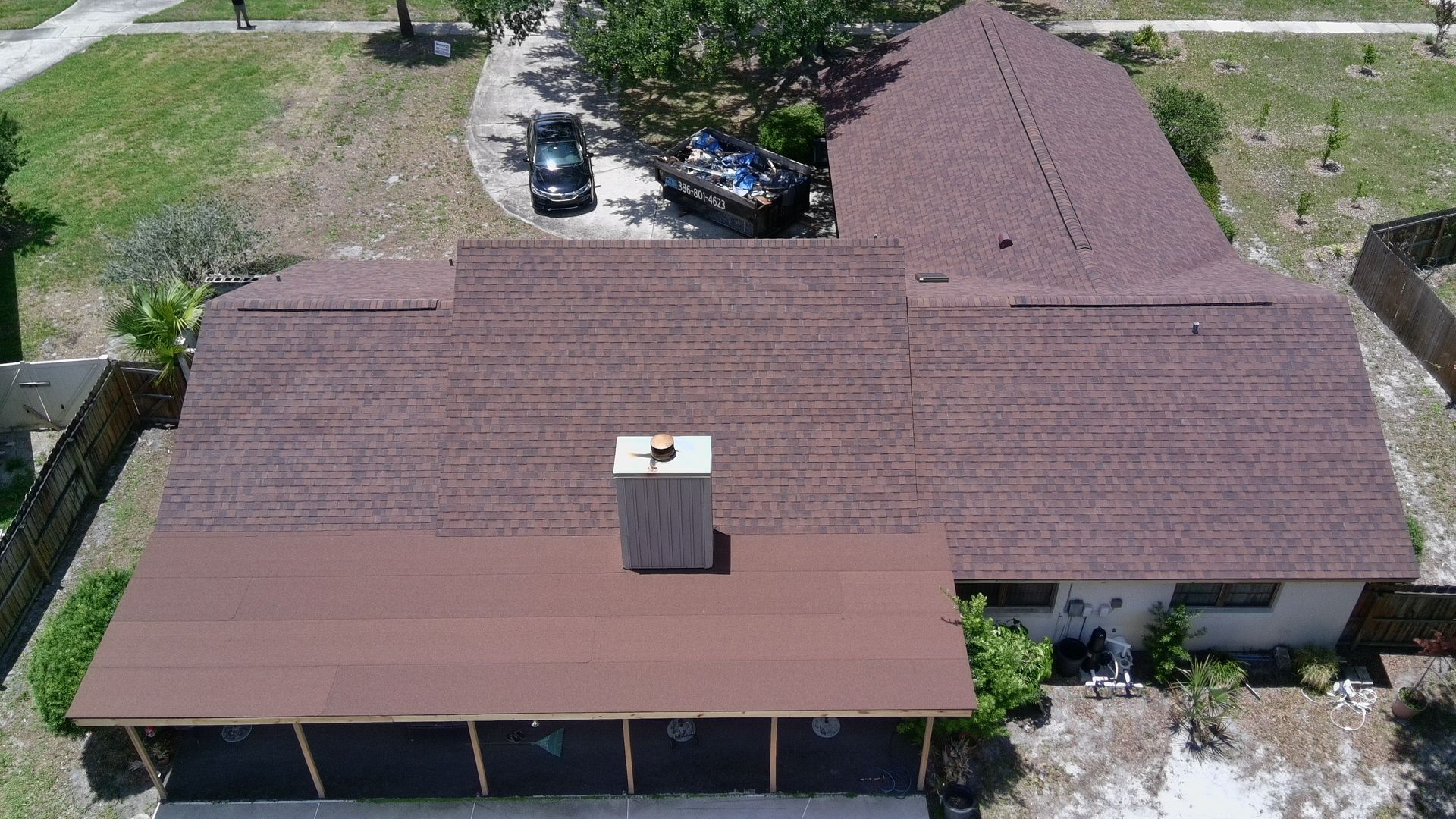
Underlayment problems can be localized around one transition or spread across an older roof area. Revildor® evaluates the leak path and surrounding components before setting the repair boundary.
When the leak points to a defined roof area, we inspect the tile above it, nearby transitions, and the underlayment zone that may need to be accessed for repair.
Discuss Underlayment Repair →Valleys concentrate runoff from adjoining slopes. A leak in this area may involve the visible valley detail, underlayment, adjacent tile, flashing, or earlier patching.
Review Valley Repair →Vents, pipe penetrations, walls, and other roof openings depend on underlayment and flashing connections. We evaluate the full transition instead of treating the surface alone.
Inspect Roof Transitions →Wind-driven rain and debris can disturb tile or expose weak areas beneath it. A post-storm review checks visible movement and likely leak paths before a repair is planned.
Get Post-Storm Help →If the underlayment problem extends beyond one leak point, we explain where localized repair stops being practical and when a larger roof section deserves consideration.
Compare Repair Scope →For repeat leaks or aging roofs, the evaluation can include valleys, penetrations, flashing, drainage, visible tile condition, and signs that more than one underlayment area is affected.
Request a Roof Review →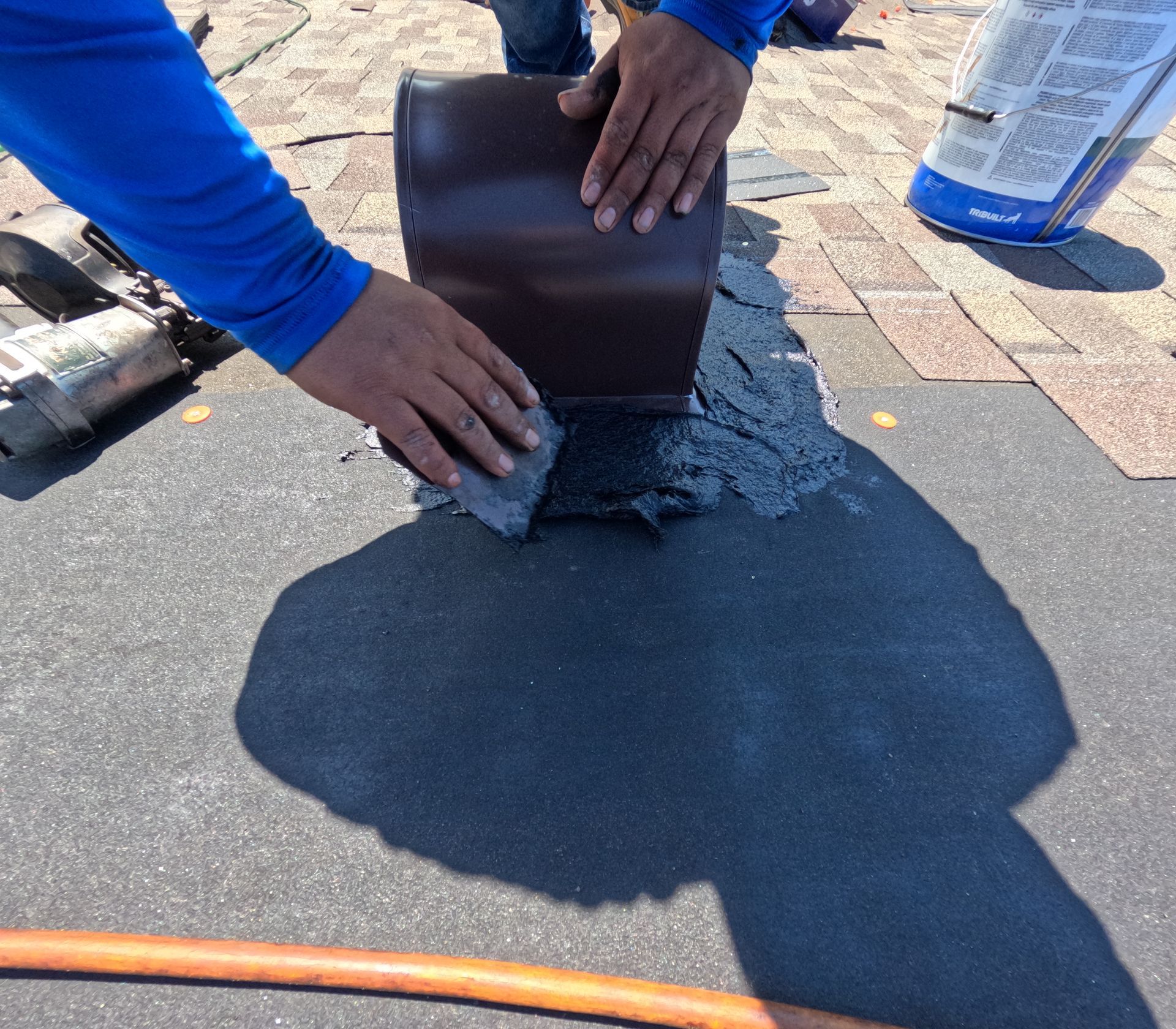
Water can pass beneath the outer roof covering during hard, wind-driven rain and rely on the layers below to keep moving toward the edge. If the underlayment or a transition has failed, the leak may travel before it reaches the interior.
Clermont homes with multiple valleys, open exposure, strong sun, and storm history can develop different conditions from one roof plane to another. A stain inside does not prove that the tile directly above it is the only problem.
Underlayment is not visible across most of the roof, so exposure history and roof design matter during diagnosis. Clermont sun, hillside wind, lake weather, heavy rain, and multiple-slope rooflines can all shape where problems develop.
Florida roofs spend long periods in direct sun. The condition of tile, penetrations, flashing, and accessible underlayment edges should be considered when an older roof begins to leak.
Strong gusts can push rain beneath roof covering at vulnerable edges and transitions. The underlayment then becomes part of the water path that must remain intact.
Large Clermont rooflines can direct runoff from several planes into valleys. Leaks in these areas may involve tile, flashing, underlayment, and earlier repairs at the same time.
Tile roofs that have had vents replaced, flashing patched, or isolated leak work may contain sections of different age and condition. Those changes matter when tracing a new leak.
Revildor® starts with roof condition and water entry evidence so the repair boundary is based on the affected area, not on a guess from the ceiling stain.
We compare interior moisture signs with valleys, roof planes, penetrations, walls, edges, and earlier repairs above the affected area.
Visible tile condition, flashing, drainage, penetrations, and exposed underlayment edges are reviewed for clues about how water is reaching the lower layers.
The approved scope identifies the section that must be accessed and the connected roof details that need repair so water can be directed back to the intended path.
After the repair, we review the restored surface, transitions, visible drainage path, cleanup, and any other roof sections that should be monitored or planned for later.
A localized underlayment repair can involve several connected components. The exact materials and amount of roof opened depend on the existing roof and the condition found during inspection.
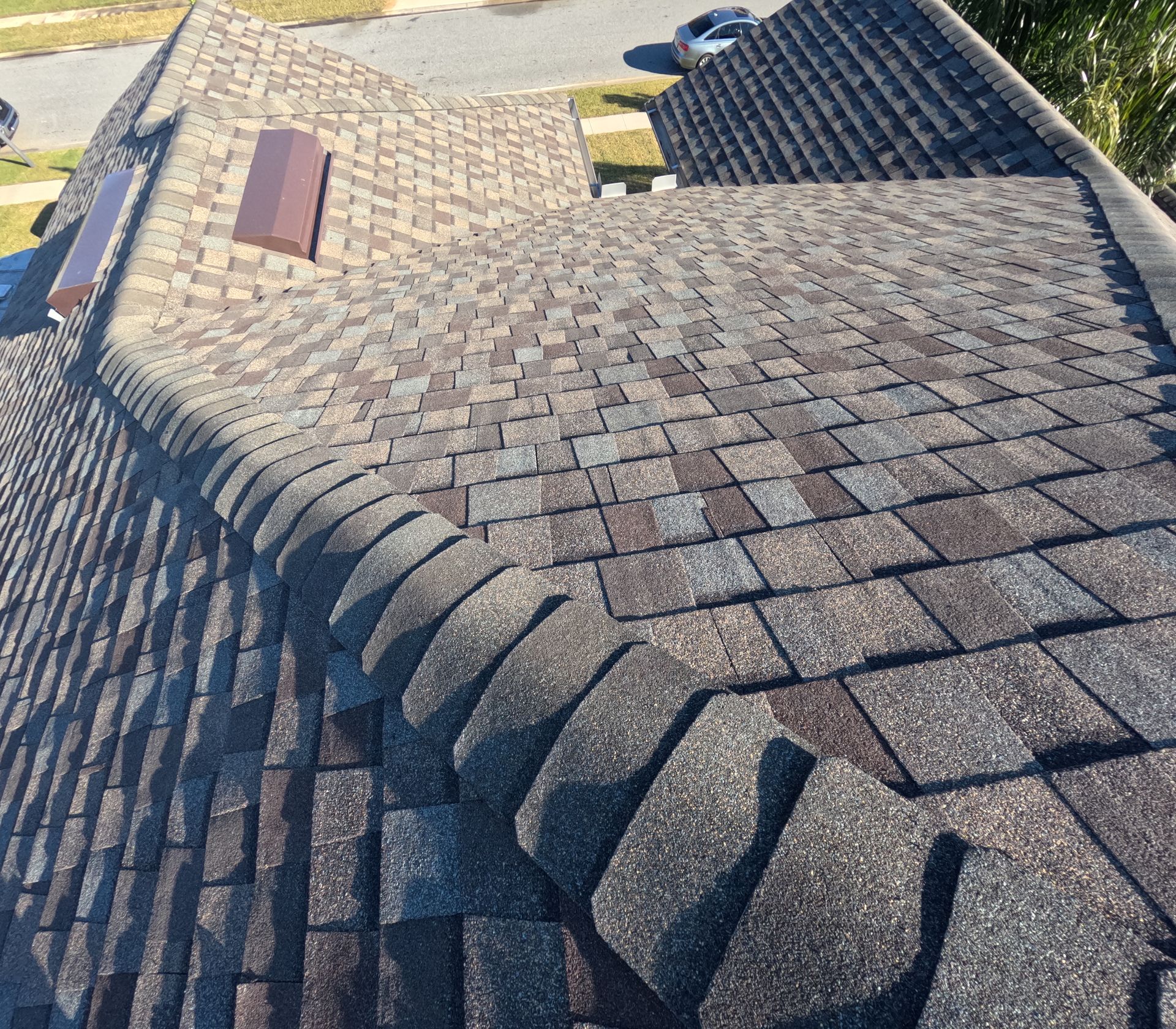
The water-shedding layer below the tile is evaluated where the leak path points to damage, wear, or an opening at a roof transition.
Discuss Underlayment Condition →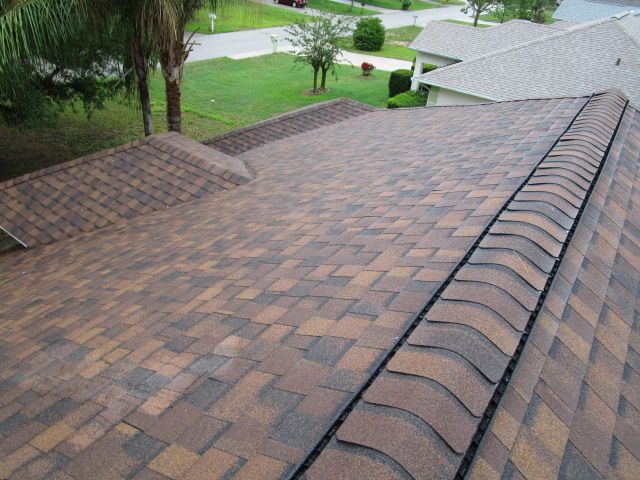
Access to the lower layer may require work around the tile covering above it. The repair scope should account for the condition of that surrounding roof surface.
Review the Repair Area →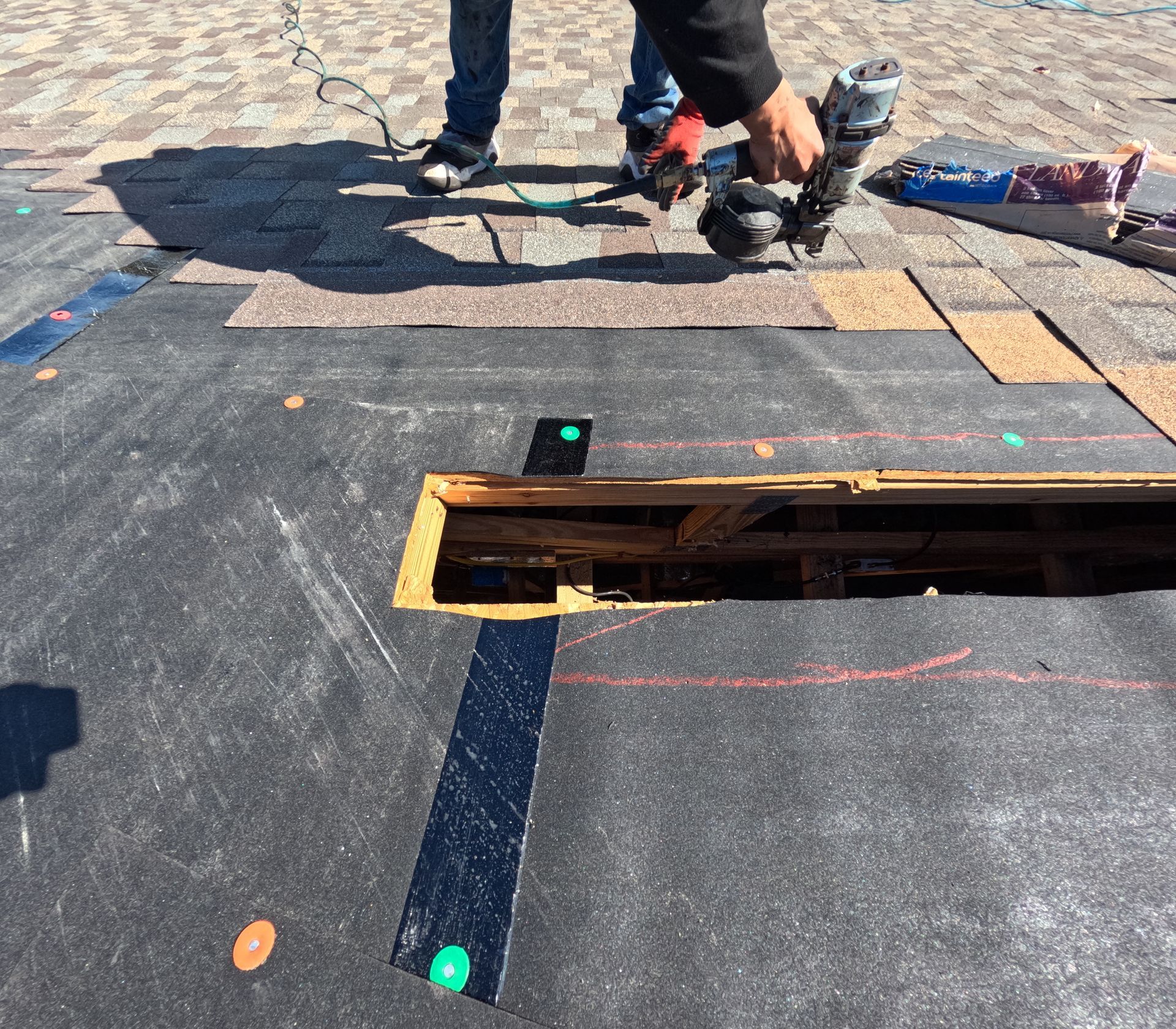
Valleys, walls, vents, pipes, and edges rely on connected flashing and underlayment details. These transitions are checked when they sit within the suspected leak path.
Ask About Roof Transitions →Revildor® has served Central Florida since 2007 with roof repair, maintenance, replacement, storm inspections, and full-service exterior work.
For an underlayment concern, the team focuses on the leak path, roof transitions, and surrounding roof condition so homeowners can understand whether the issue appears local or more widespread.
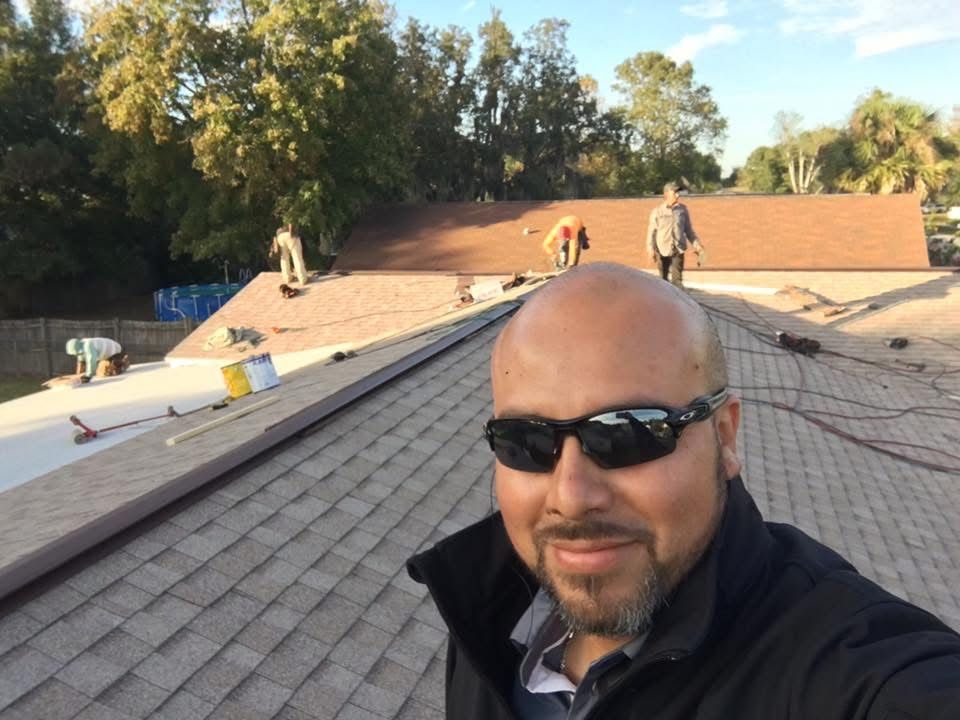
Revildor® provides tile roof underlayment repair evaluations across Clermont, South Lake County, and nearby Central Florida communities for supported roofing needs.
These answers cover leak signs, localized repairs, valleys, penetrations, storm concerns, repair scope, cost factors, and service coverage around Clermont.
Underlayment is part of the water-shedding system below the visible roof covering. It helps manage water that reaches beneath the tile and works with flashing, valleys, penetrations, and roof edges.
It may be possible when the leak and damaged layer are localized. The practical repair boundary depends on the water path, access, surrounding tile condition, flashing, prior repairs, and how far the affected area extends.
The inspection compares interior moisture signs with the roof planes, valleys, penetrations, walls, edges, drainage, and any visible movement or prior repair above the leak. The stain alone is not enough.
Yes. Valleys carry concentrated runoff and connect surface roofing, flashing, and underlayment. A problem in the valley can send water beneath tile and away from the original entry point.
Wind-driven rain can exploit small openings at edges and transitions, and storm movement may affect roof components without creating an obvious opening from the ground. Inspection helps define the actual condition.
Access to the underlayment may require work around the roof covering above it. The exact method and area depend on the existing roof and the location of the damage found.
Leak location, roof access, valley and flashing condition, surrounding tile, prior repairs, storm damage, visible lower-layer wear, and whether the problem extends across one or several roof areas all matter.
Revildor® serves Clermont and the South Lake County communities listed on this page. Availability depends on the address, roof condition, access, and requested repair scope.
Contact Revildor® for a Clermont tile roof underlayment evaluation when you see interior staining, repeat leaks, storm-related roof movement, or moisture near valleys and penetrations.