Shingle Roof Replacement
Complete replacement planned around tear-off findings, decking condition, underlayment, fastening, ventilation, flashing, roof geometry, and long-term weather exposure.
Explore Roof Replacement →
Shingle roofs in Kissimmee face intense sun, humid heat, sudden thunderstorms, wind-driven rain, tropical systems, and fast weather changes that expose weak fastening, aging seal strips, and vulnerable flashing.
Revildor® installs, replaces, repairs, maintains, and inspects asphalt shingle roof systems for homeowners and property owners throughout Kissimmee and Central Florida.
We evaluate the shingles as one part of the full assembly, including underlayment, starter courses, valleys, wall connections, vents, ridge protection, edges, ventilation, and drainage. The result is a clear recommendation for focused repair, replacement, or continued maintenance based on the roof’s actual condition.
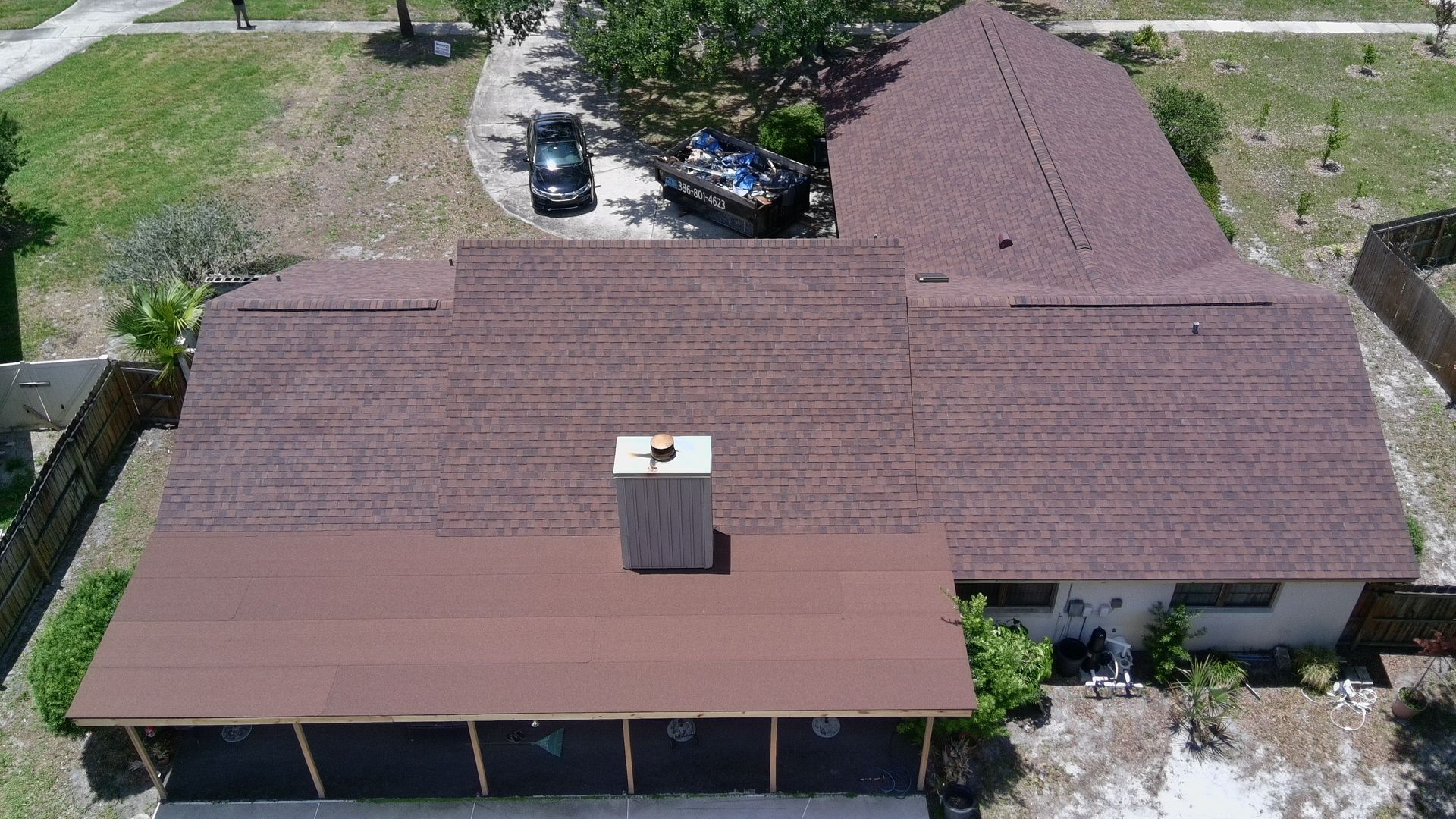
The right scope depends on shingle age, granule loss, fastening, seal-strip condition, roof pitch, ventilation, storm exposure, decking, flashing, drainage, and the pattern of any active or previous leaks.
Complete replacement planned around tear-off findings, decking condition, underlayment, fastening, ventilation, flashing, roof geometry, and long-term weather exposure.
Explore Roof Replacement →Focused correction for missing, creased, cracked, slipped, or punctured shingles, along with localized flashing, boot, valley, and edge defects.
Review Shingle Repair →Post-storm evaluation for lifted tabs, broken seals, wind creases, debris impact, displaced accessories, exposed fasteners, and water entry routes.
Request a Storm Inspection →Laminated shingle systems coordinated with starter courses, ridge caps, valley treatment, underlayment, edge metal, fastening, and compatible roof details.
Review Shingle Systems →Evaluation of intake, exhaust, attic heat, moisture movement, and roof penetrations so the shingle surface is not expected to solve an underlying ventilation problem.
Schedule a System Review →Condition reviews for aging roofs, recurring debris, early seal failures, exposed fasteners, minor defects, rental properties, and replacement planning.
Schedule a Roof Check →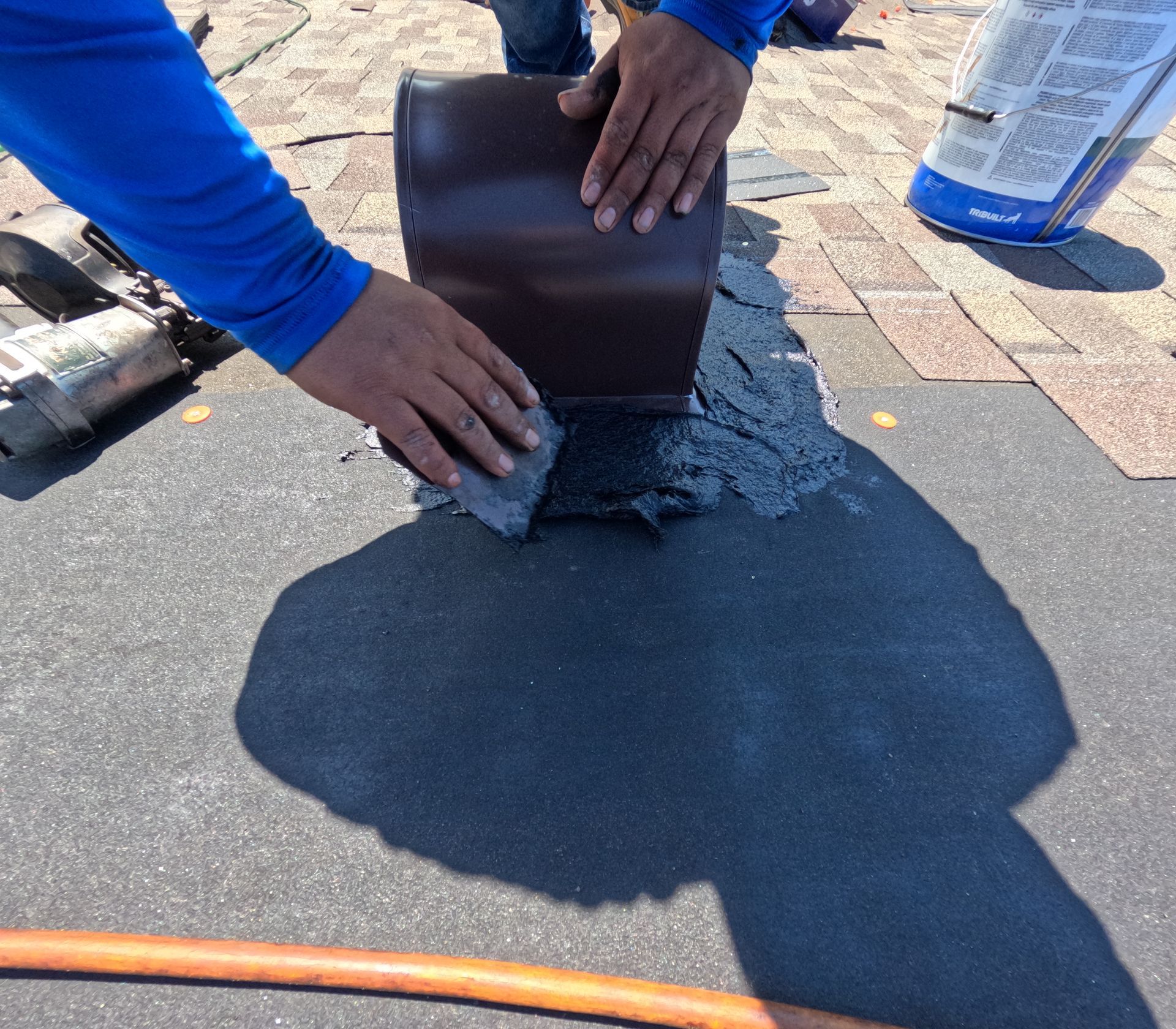
A roof can look serviceable from the driveway while sun-exposed slopes, shaded valleys, ridge lines, wall transitions, and previous repair areas are aging at very different rates.
Homes near open lakes and newer development may have fewer wind breaks, while established areas around Downtown Kissimmee, Buenaventura Lakes, Mill Slough, and Pleasant Hill can include mature trees, additions, older flashings, and several generations of repair. Water may enter through one small defect, travel along decking or framing, and appear well away from the original opening.
Kissimmee includes older central neighborhoods, large subdivisions, lake-area properties, rental homes, townhomes, and newer communities. The roof assembly must be evaluated for the way that specific building handles heat, water, wind, and attic airflow.
Long periods of strong sun can accelerate surface aging, dry out exposed sealants, and make ventilation or trapped attic heat more important to the system review.
Afternoon thunderstorms can push water into weak valleys, wall flashings, penetrations, and edges that may remain dry during a light or straight-down rain.
Properties near Lake Tohopekaliga, East Lake Tohopekaliga, and open development may have fewer wind breaks and more direct pressure on roof edges, ridges, and broad slopes.
Additions, porches, garages, rental properties, and complex newer plans create transitions, valleys, penetrations, and access conditions that affect labor and material scope.
Revildor® explains what is failing, what remains serviceable, which supporting components are involved, and why a repair or replacement recommendation makes sense before the work begins.
We review accessible shingles, ridges, valleys, flashings, penetrations, edges, ventilation, drainage, debris zones, prior repairs, and visible moisture evidence.
Roof age, defect pattern, surrounding material condition, decking, underlayment, repeat leaks, and future failure risk are weighed before the scope is recommended.
The written scope defines shingles, starter, ridge materials, underlayment, flashing, ventilation, edge details, access, property protection, permits, and cleanup.
Work areas are managed around the property, critical details are reviewed after installation or repair, debris is collected, and the project is closed out clearly.
Reliable performance depends on the full assembly. Shingle profile and color matter, but the concealed water-shedding layers, transitions, fastening, ventilation, and edge protection are what keep the system working through Central Florida weather.
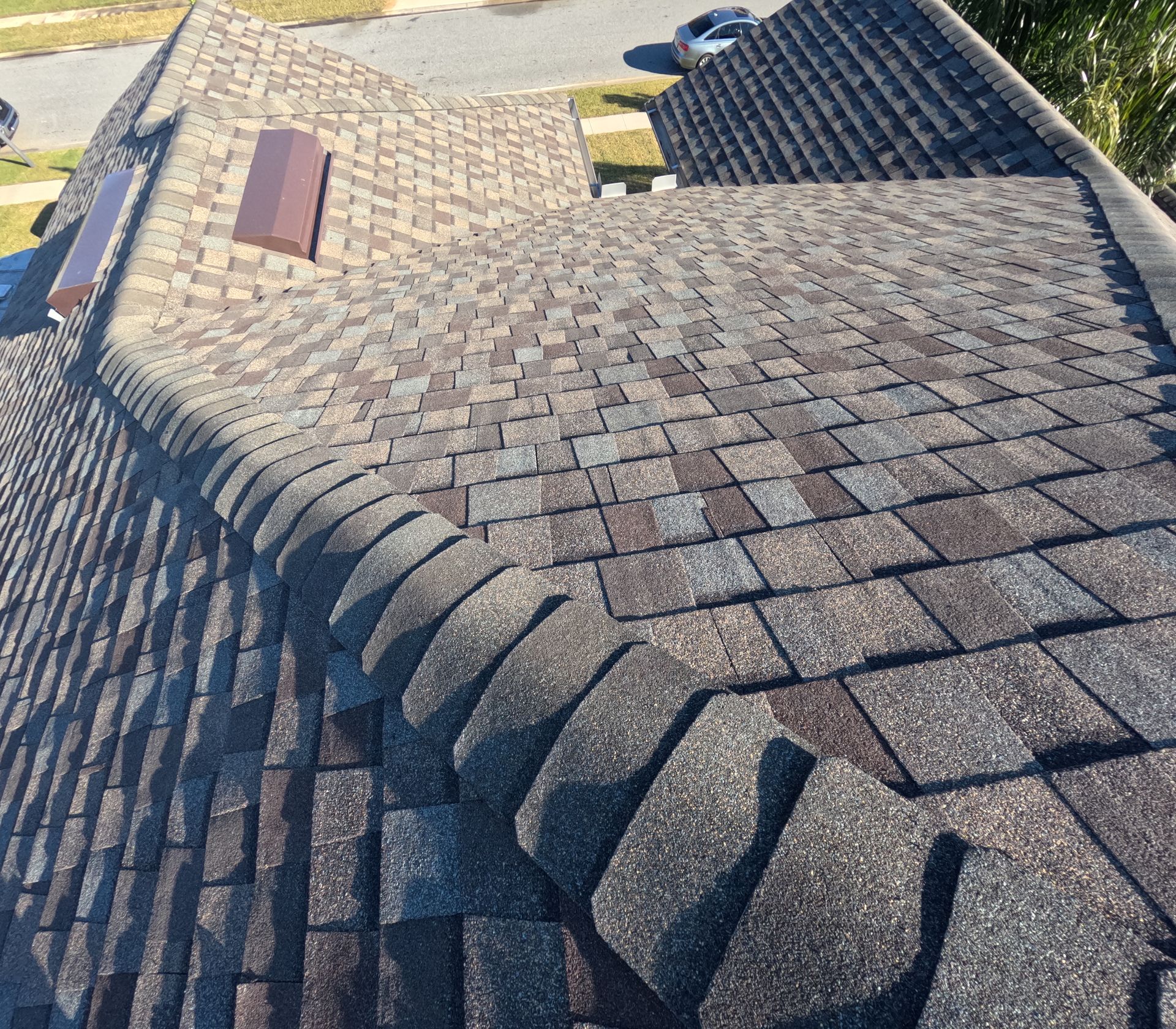
Laminated shingles provide dimensional appearance, broad color options, and practical steep-slope roof coverage when the product, fastening, and supporting assembly fit the property.
Compare Shingle Roofing →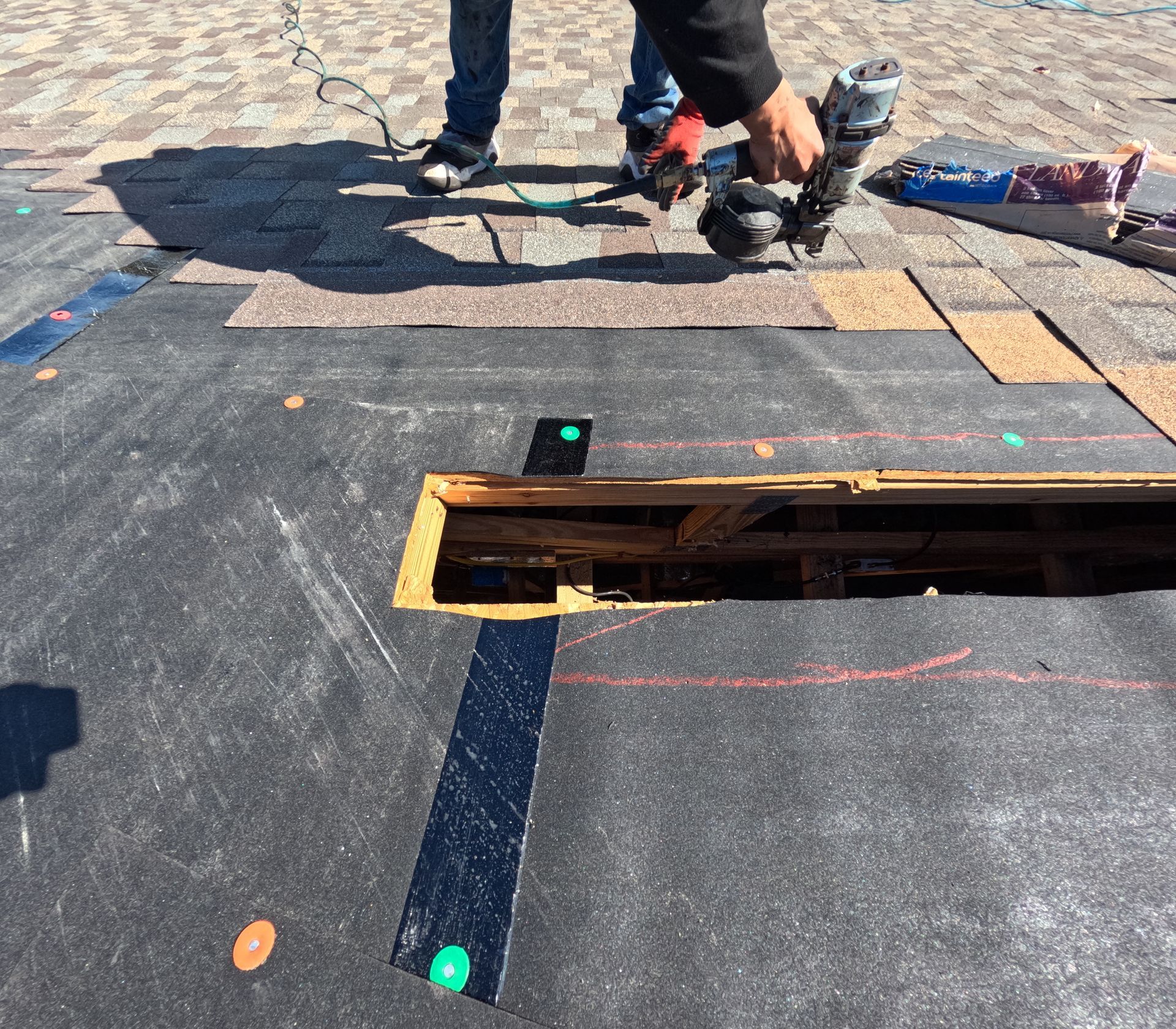
Underlayment, valleys, wall flashings, pipe boots, edge metal, and penetration details provide the secondary protection that manages water beneath and around the shingle field.
Review Waterproofing Details → Starter courses, ridge caps, intake and exhaust ventilation, fasteners, sealants, and perimeter details help the roof resist wind, release heat, and shed water as one system.
Plan the Complete Assembly →Revildor® is a Florida-certified roofing contractor serving Central Florida as an experienced roofing provider since 2007.
The team looks beyond the most obvious damaged shingle to determine whether the problem is isolated, connected to a flashing or ventilation defect, or part of broader system aging. That keeps the scope tied to the roof rather than a generic sales script.
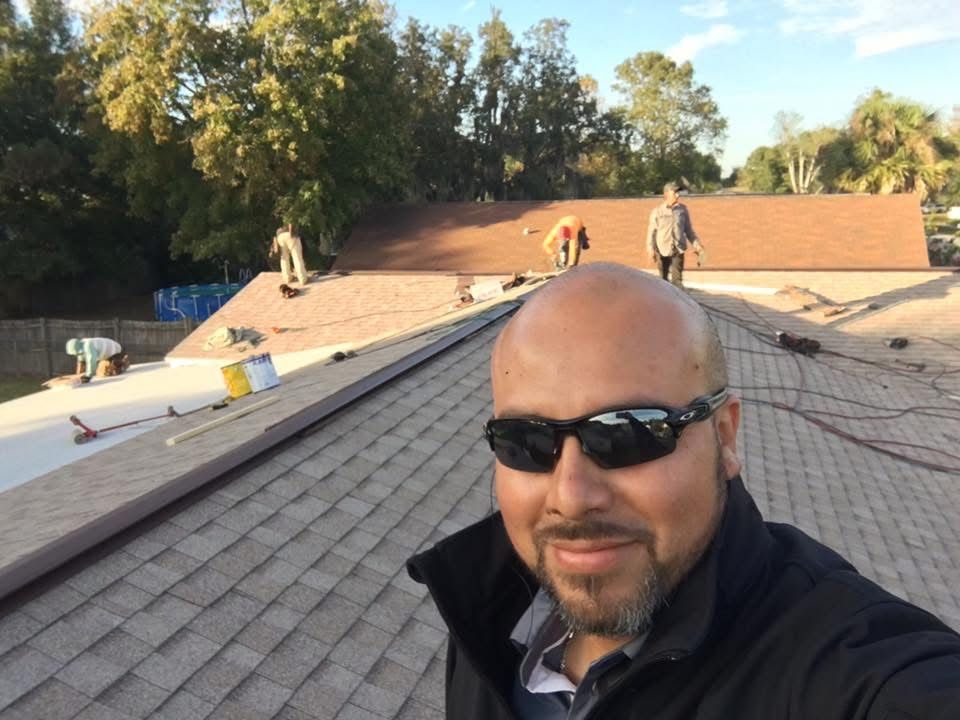
Revildor® provides asphalt shingle inspections, repairs, maintenance, storm evaluations, and replacement planning for property owners in Kissimmee and the surrounding Central Florida service area.
Practical answers on repair versus replacement, granule loss, storm damage, system components, ventilation, cost factors, permits, and residential or commercial roof use.
Repair may make sense when damage is isolated and the surrounding shingles, underlayment, flashing, and decking remain dependable. Replacement becomes more practical when defects are widespread, leaks repeat in different areas, shingles are brittle or heavily worn, or the supporting assembly has broader problems.
Some loose granules can occur, especially with newer material, but concentrated bare spots, exposed asphalt, rapid gutter accumulation, or uneven loss across slopes can indicate aging, impact, abrasion, or heat-related wear. The pattern matters more than one isolated granule pile.
Often, yes, when matching replacement material can be integrated and adjacent shingles remain flexible enough to work with. The repair should also address damaged fasteners, seal strips, underlayment, flashing, or decking rather than covering only the visible gap.
A complete scope may include shingles, starter material, ridge caps, underlayment, valley treatment, flashing, pipe boots, edge metal, fasteners, sealants, ventilation, decking work where needed, and drainage coordination. The exact assembly depends on the roof and approved scope.
Strong sun and attic heat can speed surface aging, expose weak sealants, and make uneven ventilation more noticeable. Shingle condition should be reviewed together with intake, exhaust, decking, penetrations, and any signs of trapped heat or moisture inside the roof assembly.
Scope and cost are shaped by roof size, pitch, height, access, tear-off requirements, decking repairs, number of layers, valleys, penetrations, flashing, ventilation, material selection, property protection, permit requirements, and the amount of detail work around transitions.
The responsible permitting office depends on whether the address is inside City of Kissimmee limits or in unincorporated Osceola County. The contractor should confirm jurisdiction, current submittal requirements, product documentation, inspection stages, and final permit closure before work begins.
They can be appropriate for homes, rentals, townhomes, and some commercial buildings with suitable steep-slope roof design. Low-slope or flat sections require a different roofing approach, so each roof area should be evaluated before one material is specified for the entire property.
Request an evaluation for missing shingles, granule loss, active leaks, storm concerns, aging materials, ventilation questions, or a clear asphalt shingle replacement scope.