Shingle Roof Replacement
Complete shingle replacement when widespread deterioration, repeated leaks, brittle tabs, storm effects, or aging transitions make continued patching an unreliable strategy.
Plan Shingle Replacement →
Longwood shingle roofs often sit beneath mature trees and face humid shade, falling debris, hard summer sun, wind-driven rain, and roof transitions created by older additions or remodeling.
Revildor® helps Longwood homeowners and commercial property owners inspect, repair, maintain, and replace asphalt shingle roofs, including storm-damage evaluations and material comparisons when a metal system may be considered.
A useful scope looks beyond missing shingles. The roof deck, underlayment, flashing, valleys, penetrations, ventilation, edges, drainage, and connections between original and added roof sections are checked before repairability is determined.
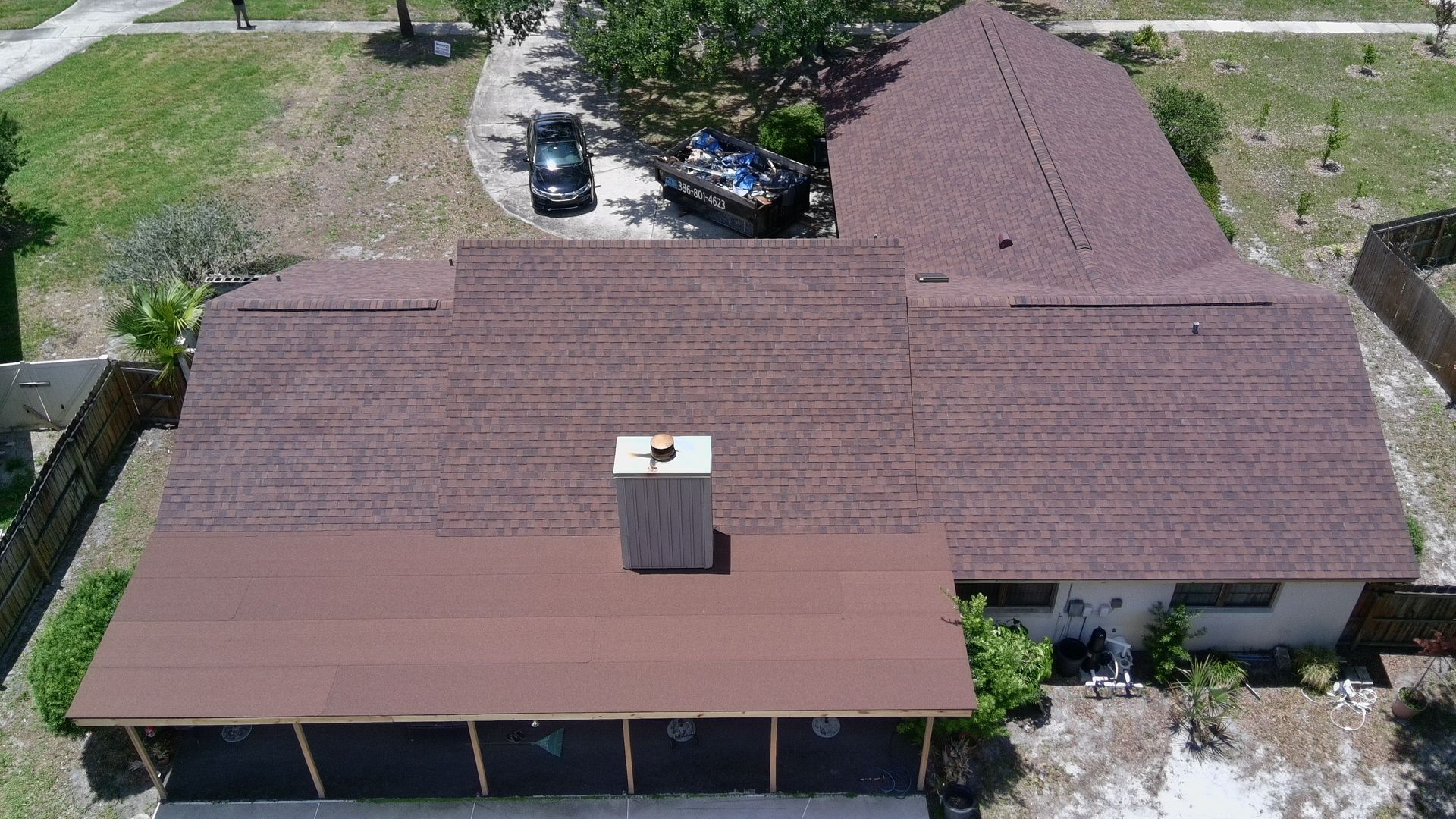
Roof condition in Longwood can be influenced by canopy density, construction era, slope changes, prior patches, attic airflow, access on wooded lots, and whether storm damage is isolated or spread across several roof planes.
Complete shingle replacement when widespread deterioration, repeated leaks, brittle tabs, storm effects, or aging transitions make continued patching an unreliable strategy.
Plan Shingle Replacement →Targeted repair at penetrations, valleys, walls, chimneys, porch tie-ins, and localized shingle damage when the surrounding system can accept a proper repair.
Review Shingle Repair →Evaluation after branch impact, wind, hail, or driving rain, including roof areas hidden by canopy, debris, steep slopes, or upper elevations that cannot be judged from the driveway.
Request a Storm Inspection →Architectural shingles installed with the related underlayment, starter, ridge, edge, flashing, fastener, ventilation, and drainage details needed for a complete system.
Explore Shingle Systems →Material guidance for owners deciding between asphalt shingles and metal based on tree exposure, roof geometry, appearance, maintenance, budget, and how long they expect to own the property.
Compare Metal Roofing →Roof condition reviews for leaks, old patches, aging materials, property purchases, maintenance scheduling, storm documentation, or replacement timing on wooded Longwood lots.
Schedule a Roof Evaluation →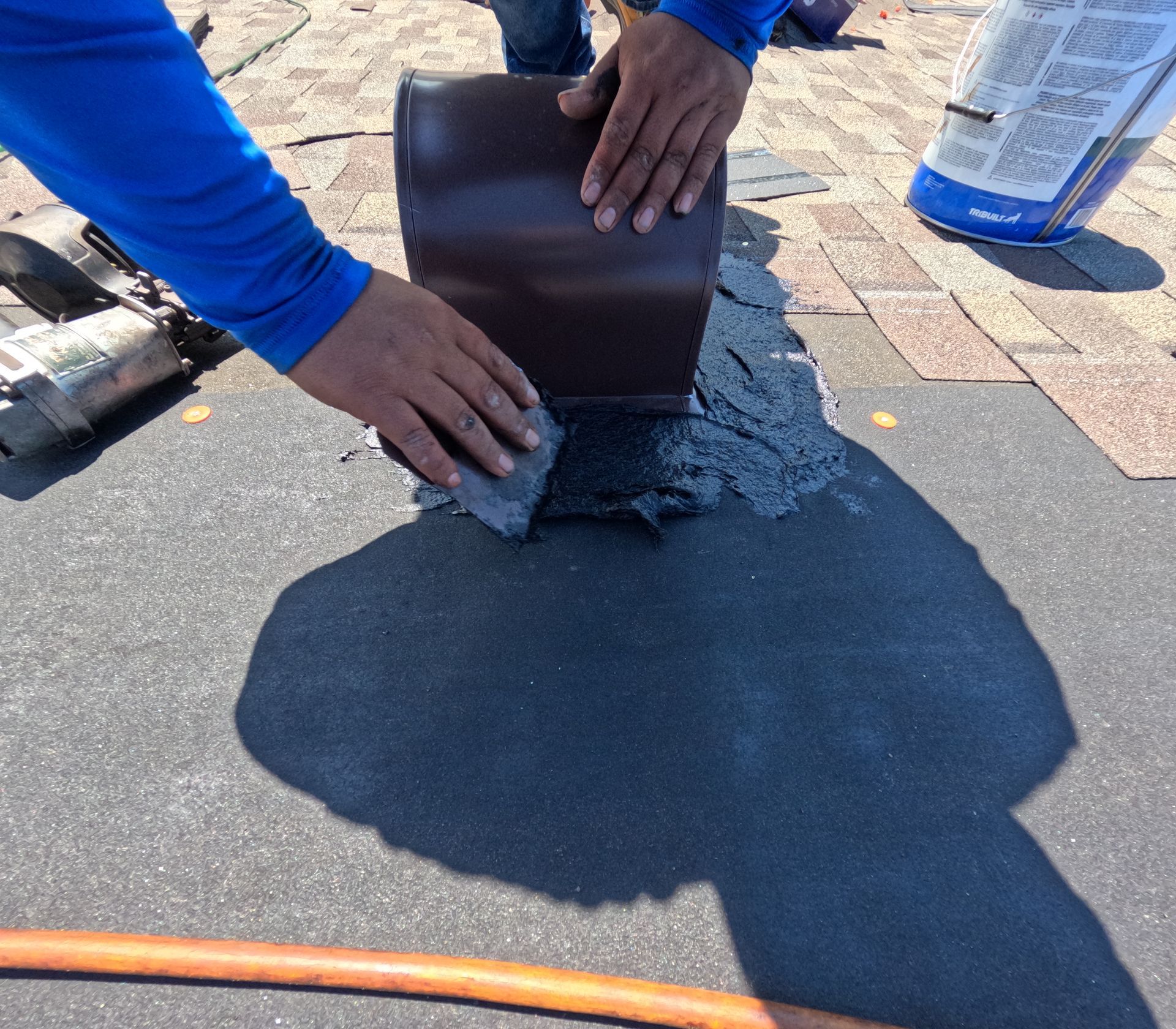
Leaves and branches may be obvious, but the more expensive problem is often a concealed flashing, underlayment, or decking defect beneath a roof that still looks mostly covered.
Historic Longwood and established neighborhoods can include chimneys, porches, dormers, additions, and roof sections installed at different times. Wooded properties near the Wekiva and Sweetwater areas may hold debris and moisture longer, while broad suburban rooflines take direct sun where the canopy opens. Water entering at a small transition can travel before appearing around a ceiling, wall, or window opening.
Longwood includes a historic core, established neighborhoods, larger wooded properties, and busy suburban corridors. Each setting changes access, debris control, drainage, flashing priorities, and the point at which patching an older shingle system stops making sense.
Heavy canopy can shade shingles, load valleys and gutters with debris, and create impact or abrasion from moving limbs during storms.
Porches, chimneys, dormers, additions, and prior reroofs can create transition points where flashing and underlayment continuity must be verified.
Protected roof sections may stay damp after rain, increasing the value of clean drainage paths and early correction of algae or sealant deterioration.
Larger homes can have long valleys, multiple hips, skylights, and broad sun-exposed planes that require consistent fastening and ventilation planning.
The Longwood process starts with close inspection of both exposed shingles and the older connections where wooded properties and remodeled roofs often develop recurring leaks.
Shingle condition, valleys, ridges, chimneys, walls, boots, additions, edges, drainage, ventilation, debris zones, and visible moisture clues are documented before a scope is written.
The team determines whether surrounding materials can support a lasting repair, or whether fragility, widespread wear, deck concerns, and multiple failures make replacement the sounder choice.
Access, tree and landscape protection, material staging, underlayment, flashing, ventilation, permits, cleanup, concealed damage, and schedule expectations are defined in the project plan.
Following the approved work, roof details and property cleanup are reviewed, remaining debris is addressed, and the owner receives a direct closeout of the finished roofing scope.
The visible shingle is one layer of the system. Product profile, underlayment, starter, ridge material, edge metal, wall and penetration flashing, ventilation, fasteners, and gutter interaction should be coordinated for the roof’s slope and tree exposure.
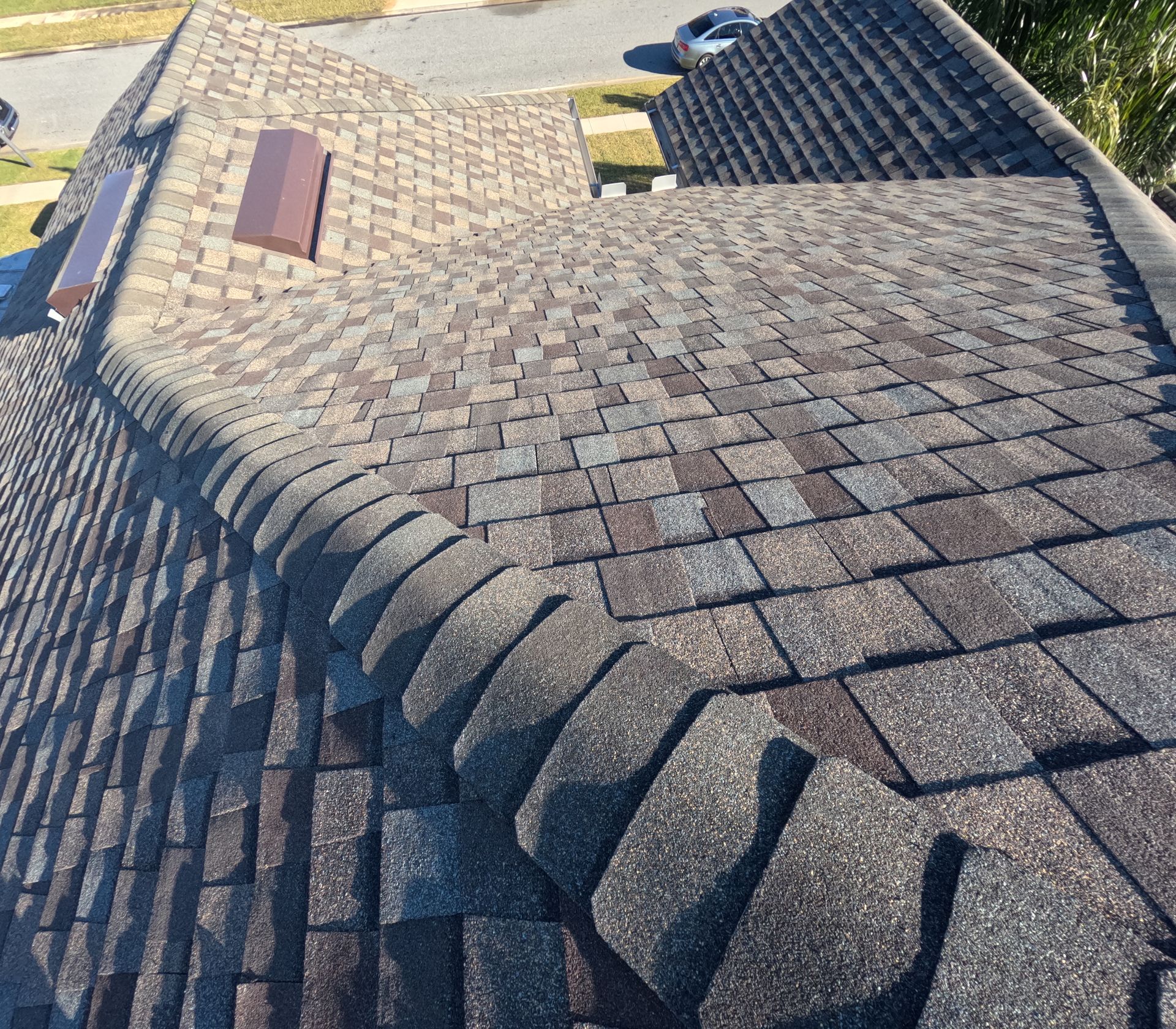
Architectural asphalt shingles provide broad design flexibility for Longwood roofs when the installation includes compatible starter, ridge, underlayment, flashing, ventilation, and fastening.
Explore Asphalt Shingles →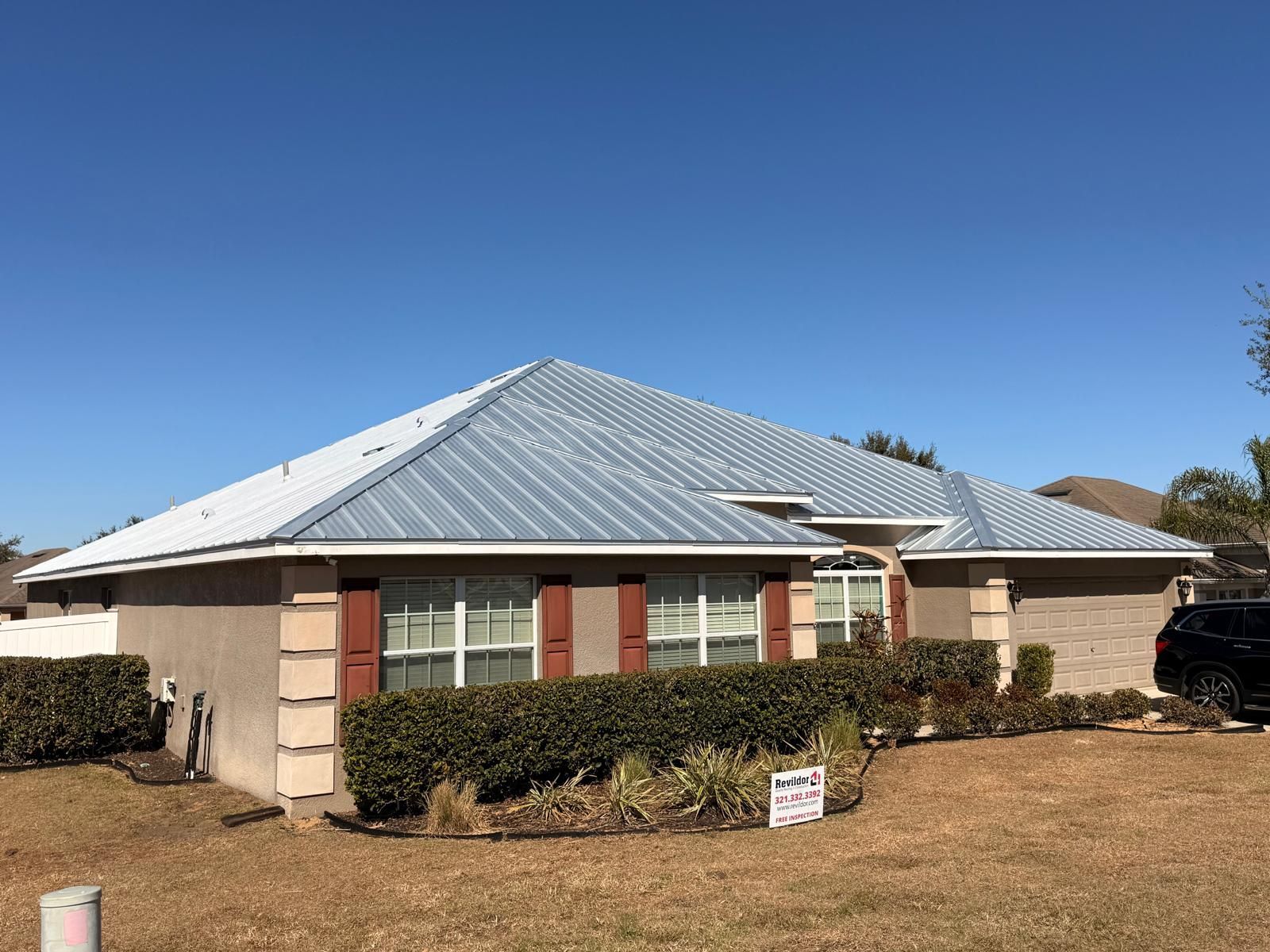
Shingles and metal should be compared against canopy, roof geometry, maintenance expectations, appearance, budget, structure, and ownership plans instead of judged on material alone.
Compare Metal Roofing →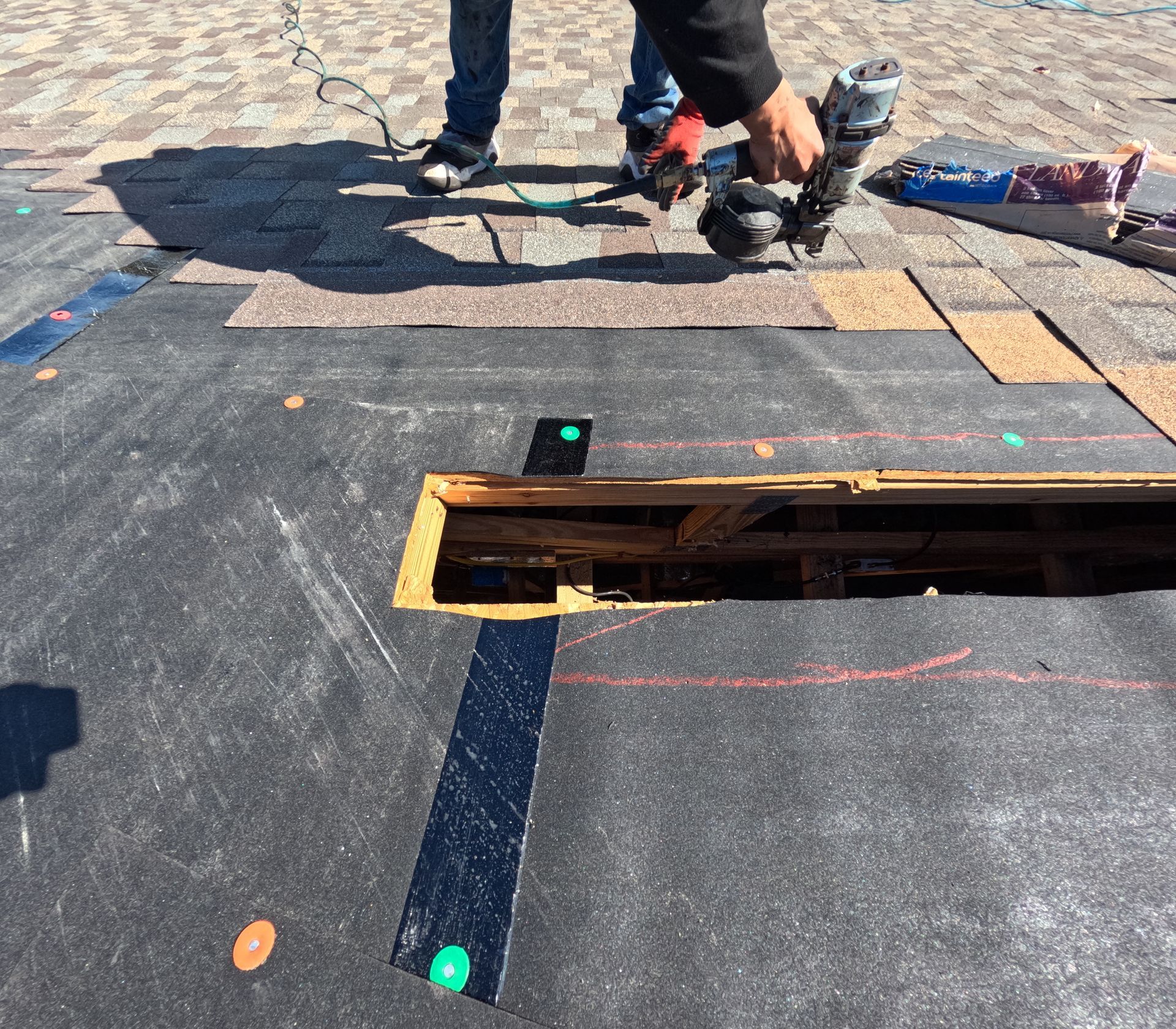
A dependable system ties together the deck, underlayment, valleys, wall flashing, penetrations, edge metal, ventilation, fasteners, ridge protection, and drainage beneath the visible surface.
Discuss the Complete System →Revildor® has served Central Florida property owners since 2007 and inspects Longwood roofs with attention to both surface wear and the older transitions where leaks and repeated repairs often begin.
The result is a practical explanation of what failed, what remains serviceable, what a focused repair would need to include, and why full replacement may be recommended when brittle shingles or widespread defects make patching a poor investment.
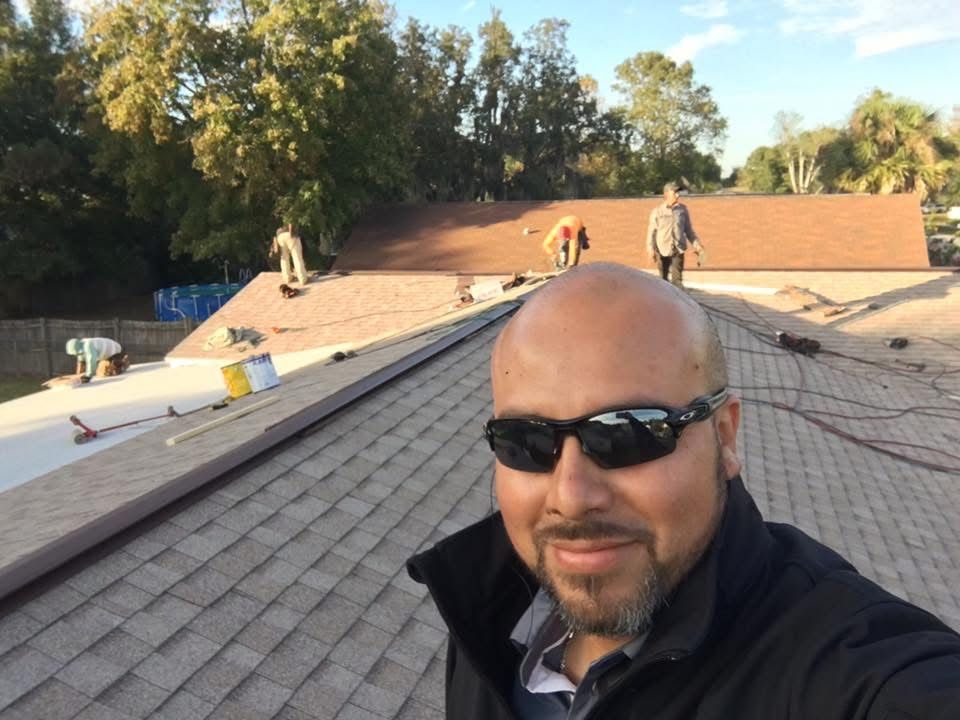
Longwood property owners can request close-up review of shingle condition, tree and debris exposure, older roof connections, storm damage, repairability, and full replacement requirements.
Straight answers about debris maintenance, repairing older shingles, licensing, material options, additions, supporting roof components, wooded service areas, and Longwood permits.
The schedule depends on canopy density and how quickly valleys and gutters collect leaves, needles, seed pods, or small branches. Debris should be addressed before it holds moisture or blocks runoff, using methods that do not tear shingles, disturb granules, or create unsafe roof access.
A repair can make sense when the defect is isolated, the surrounding shingles can be lifted and resealed without breaking, the deck is sound, and the rest of the roof has useful service life. Multiple active areas or fragile materials can push the scope toward replacement.
Revildor® lists CCC1328368 and CGC1508771 as Florida license numbers. Current licensing, insurance, and company details should be checked through official sources before the property owner signs a roofing agreement.
Revildor® provides asphalt shingle roofing and can explain architectural profiles, system components, appearance considerations, and how the roof’s slope, ventilation, tree exposure, budget, and ownership plans affect selection.
Transitions can fail when slope changes, wall flashing, underlayment laps, edge details, or drainage were not integrated correctly. Movement and repeated sealant-only repairs can also reopen the path, so the connection needs to be inspected as an assembly.
Decking, underlayment, starter, fasteners, edge metal, valleys, flashings, pipe boots, ventilation, and ridge materials all help manage water and wind. A replacement proposal should identify these components rather than listing only the shingle brand or color.
Service may be available throughout Seminole County, the Orlando area, Lake County, and other Central Florida locations. The team confirms the address, roof type, access, tree conditions, and requested work before scheduling.
The answer depends on whether the parcel is inside Longwood or in unincorporated Seminole County. The contractor should verify the correct jurisdiction and follow current permit, product-approval, inspection, and closure requirements.
Request an inspection for tree-related wear, blocked valleys, aging shingles, failed boots or flashing, old additions, storm damage, ventilation concerns, or full asphalt shingle replacement.