Shingle Roof Replacement
Complete replacement for roofs with widespread wear, brittle shingles, repeated leaks, or system-level defects, scoped around canopy, ventilation, slope, drainage, and Central Florida weather.
Plan Shingle Replacement →
Winter Springs shingle roofs face hard ultraviolet exposure on open slopes, slower drying beneath mature oaks and pines, wind-driven rain, and debris collecting in valleys and gutters.
Revildor® helps homeowners and owners of steep-slope commercial properties evaluate, repair, maintain, and replace asphalt shingle roofs, with storm-damage inspections and metal alternatives available when the building and ownership plan call for them.
The evaluation covers more than the visible shingle tabs. Decking condition, underlayment, flashing, ventilation, fasteners, roof edges, penetrations, and drainage are reviewed before a repair or replacement scope is recommended.
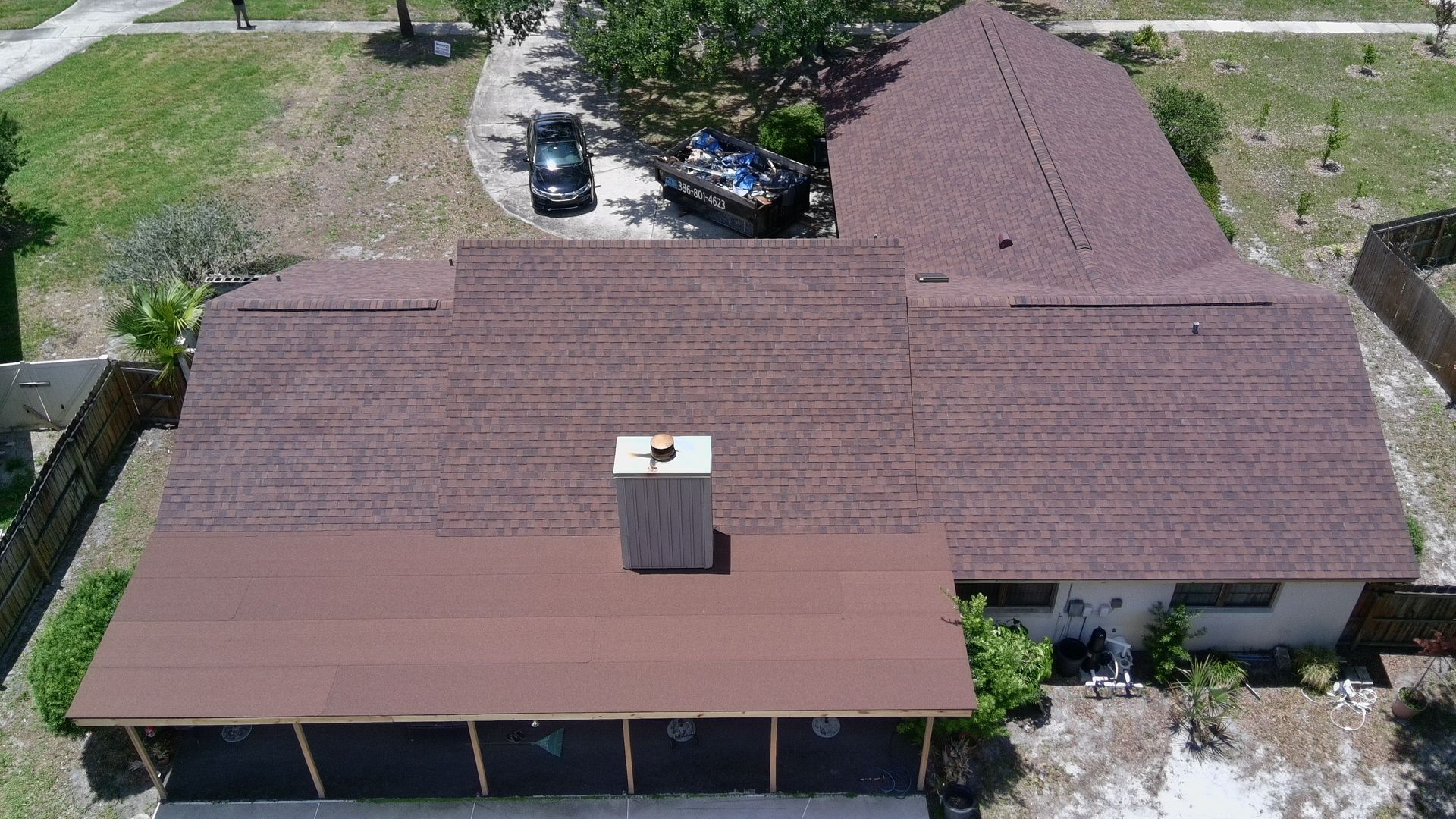
The right shingle-roof scope depends on age, prior repairs, seal-strip performance, tree exposure, ventilation, roof pitch, storm history, and what is found at the leak-prone details.
Complete replacement for roofs with widespread wear, brittle shingles, repeated leaks, or system-level defects, scoped around canopy, ventilation, slope, drainage, and Central Florida weather.
Plan Shingle Replacement →Focused repair for isolated lifted or missing shingles, failed boots, flashing defects, punctures, and small leak paths when the surrounding roof can still support a durable tie-in.
Review Shingle Repair →Post-weather inspection for wind-lifted tabs, branch impact, displaced ridge materials, exposed fasteners, bruising, and water entry that may not be visible from the ground.
Request a Storm Inspection →Architectural shingles installed as part of a coordinated system with starter, underlayment, ridge protection, edge metal, flashings, ventilation, and fastening appropriate to the roof.
Explore Shingle Systems →A practical comparison of asphalt shingles and metal based on roof shape, budget, expected ownership, maintenance preferences, appearance, and the condition of the supporting structure.
Compare Metal Roofing →Condition checks for aging materials, recurring debris, prior patches, ventilation concerns, property purchases, maintenance planning, or a decision about how long the current roof remains serviceable.
Schedule a Roof Evaluation →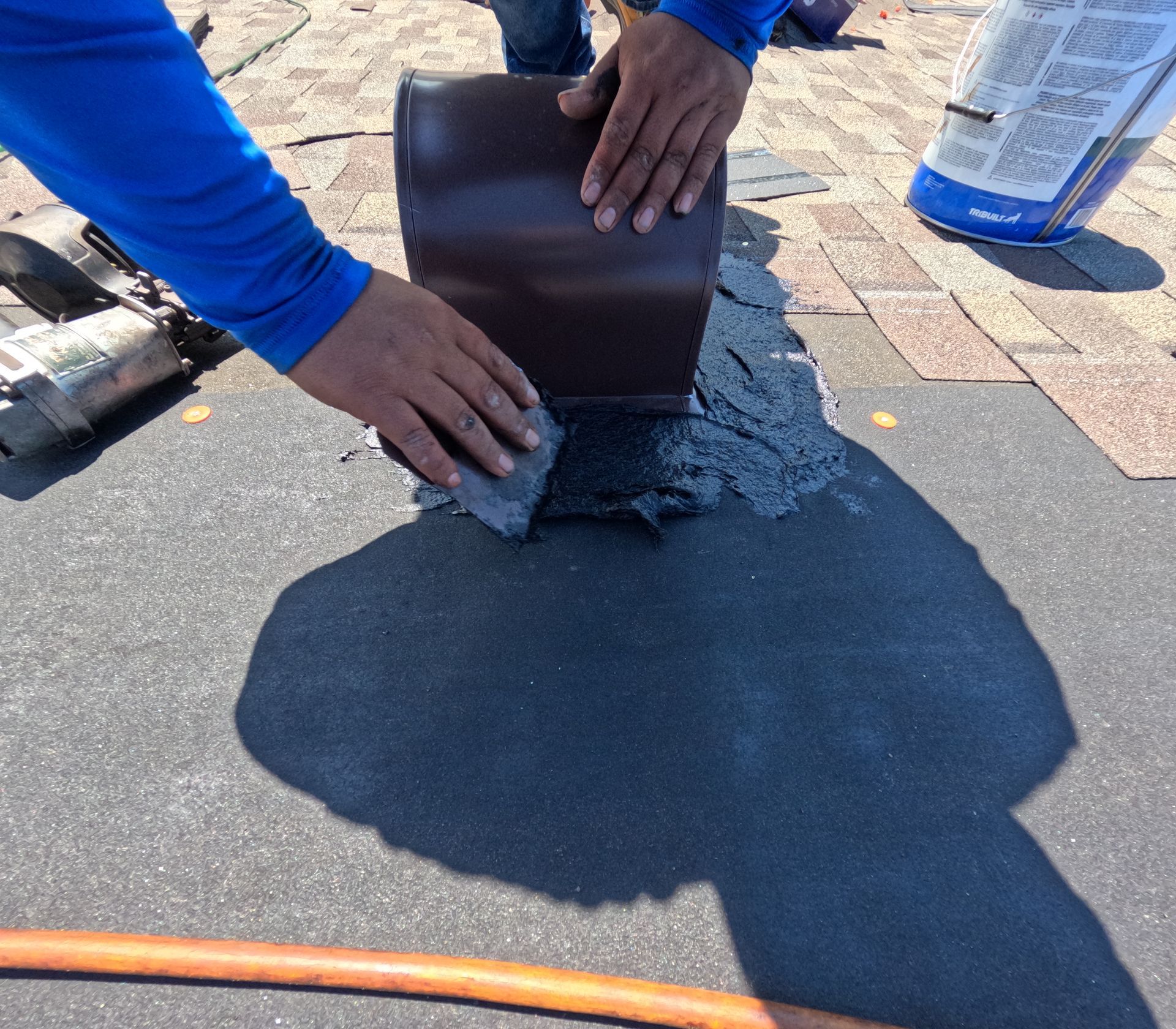
A roof can appear intact from the driveway while seal strips, pipe boots, wall flashing, and shaded shingle sections are already losing their ability to control water.
Wooded lots and established subdivisions can hold leaf litter against valleys and gutters, while open sections of newer communities take direct sun and stronger gusts. Repeated patching around vents, skylights, porch tie-ins, or additions may move the symptom without correcting the entry point. A useful inspection follows the water path and checks whether surrounding shingles can still be repaired without creating a larger weak area.
Winter Springs combines mature residential streets, planned communities, newer rooflines, pond-adjacent properties, and lots with very different staging and access. Those conditions affect inspection priorities, material handling, and whether a localized repair is practical.
Oak and pine canopy can shade shingles, drop abrasive debris, restrict gutters, and increase branch-impact risk during thunderstorms.
North-facing slopes and roof sections beneath heavy canopy can stay damp longer, making algae, sealant wear, and concealed flashing defects more important to inspect.
Less-sheltered homes can receive stronger sun, rapid heating, and wind-driven rain across broad roof planes and exposed eaves.
Established houses may combine original roof sections with porches, additions, skylights, or ventilation changes that need coordinated flashing and underlayment details.
Revildor® organizes the Winter Springs process around documented roof conditions, a clear repair-or-replacement decision, defined system components, property protection, permitting, and final review.
The inspection records shingles, ridges, valleys, penetrations, walls, edges, drainage, ventilation, tree-debris zones, prior repairs, and accessible signs of deck or moisture problems.
Findings are grouped into active defects, maintenance items, repairable areas, and replacement indicators so the owner can see why one option is stronger than another.
The proposal identifies materials, concealed-damage handling, access, landscape protection, ventilation work, permit responsibility, scheduling, cleanup, and project exclusions before installation.
After approved work is completed, critical details are checked, loose debris is collected, the work area is reviewed, and the owner receives a practical closeout of the completed scope.
Shingle selection matters, but the assembly beneath and around it carries much of the water-control work. Roof pitch, attic airflow, tree exposure, color restrictions, drainage, budget, and future ownership plans should all shape the recommendation.
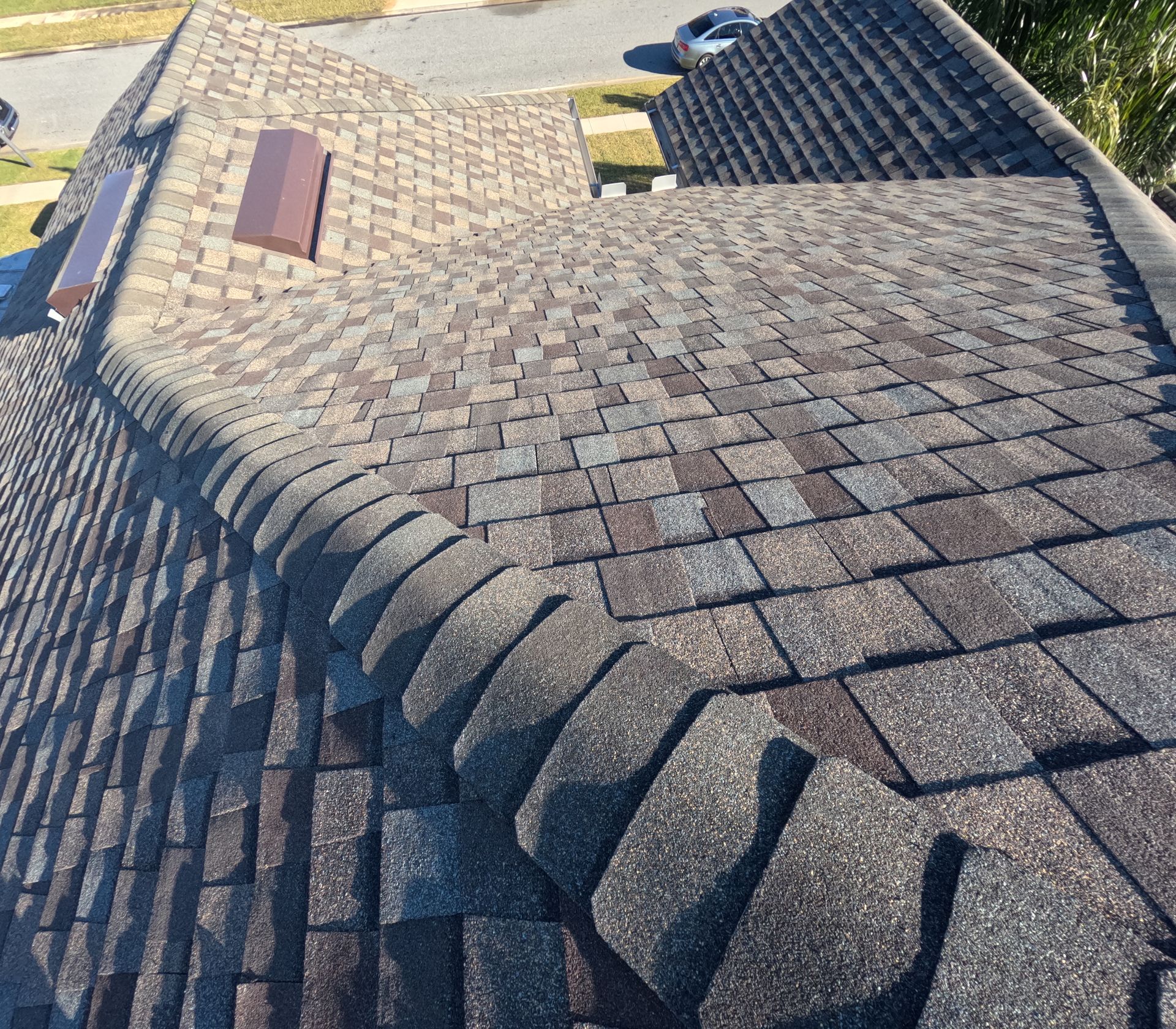
Architectural shingles provide flexible appearance and practical steep-slope protection when they are installed with compatible starter, ridge, underlayment, flashing, ventilation, and edge components.
Explore Asphalt Shingles →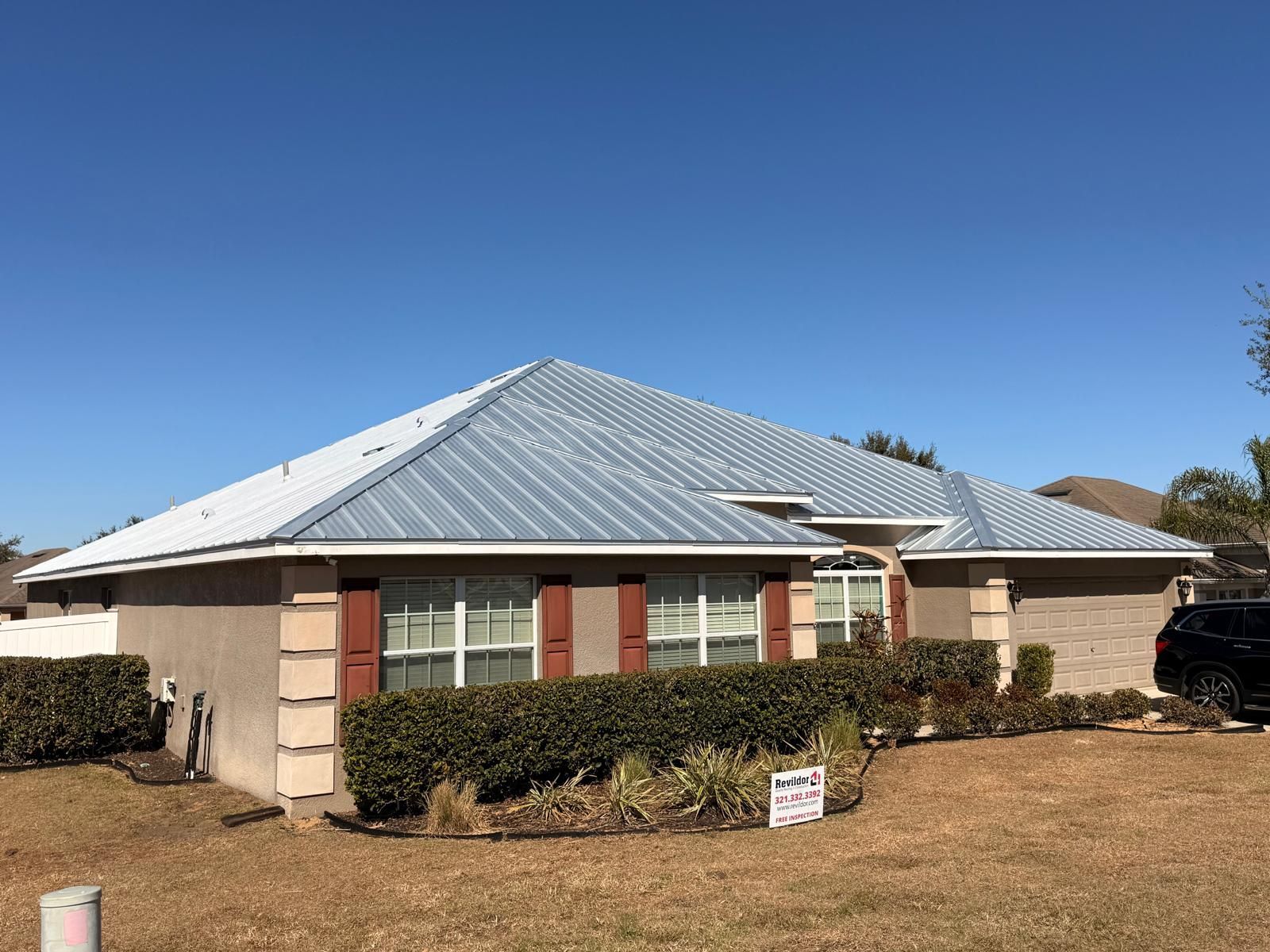
Metal may be worth comparing where the roof geometry, structure, budget, maintenance preference, appearance, and long-term ownership plan support a different system.
Compare Metal Roofing →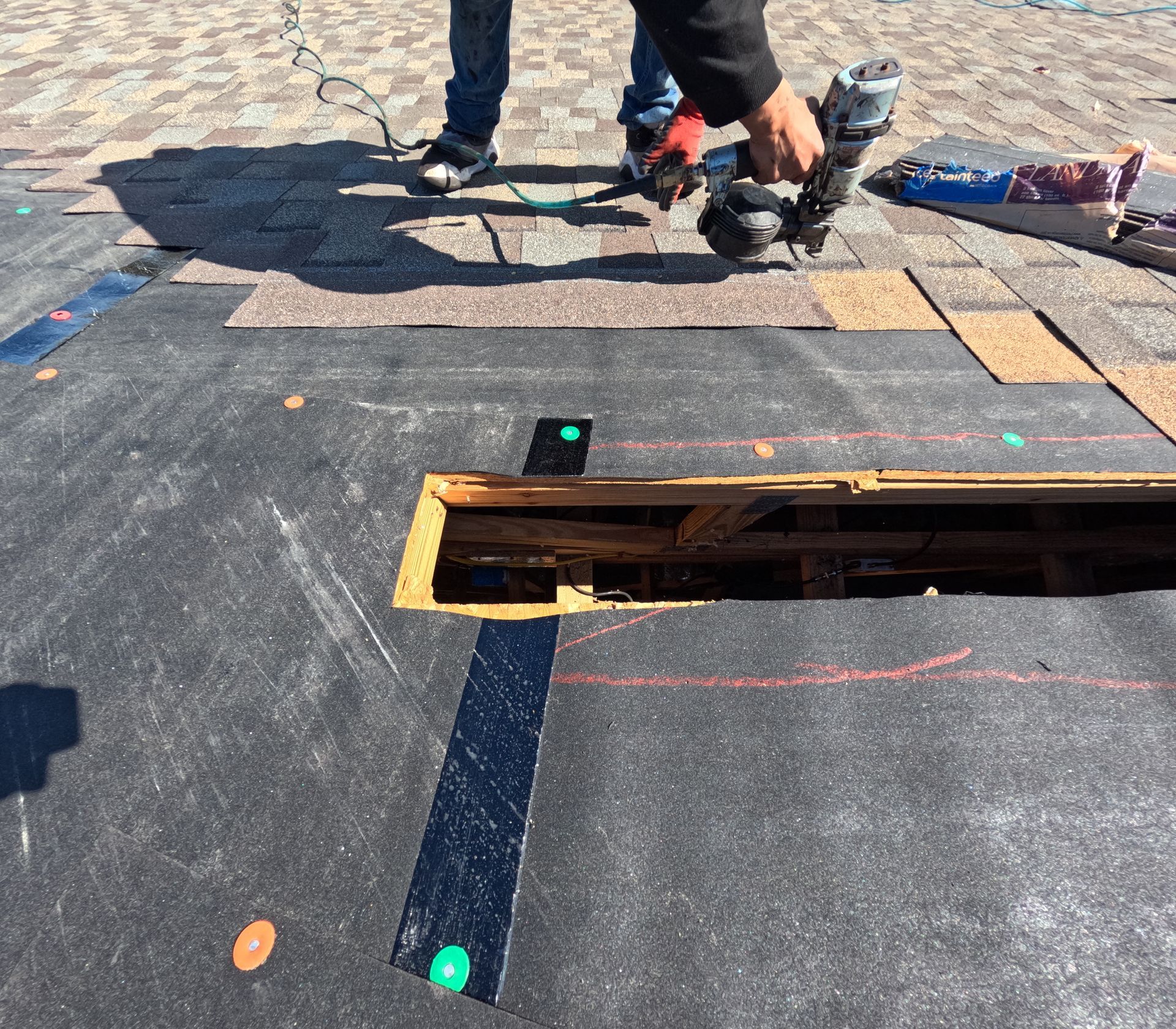
Decking, underlayment, flashings, vents, fasteners, sealants, edge metal, valleys, and drainage carry water-control responsibilities that the shingle surface cannot perform by itself.
Discuss the Complete System →Revildor® has served Central Florida since 2007 and evaluates asphalt shingle roofs as complete systems rather than treating every stain, lifted tab, or missing shingle as the same problem.
That approach helps Winter Springs property owners understand what is actively leaking, what can be maintained, where repair boundaries become unreliable, and when replacement is the more sensible way to restore the roof.
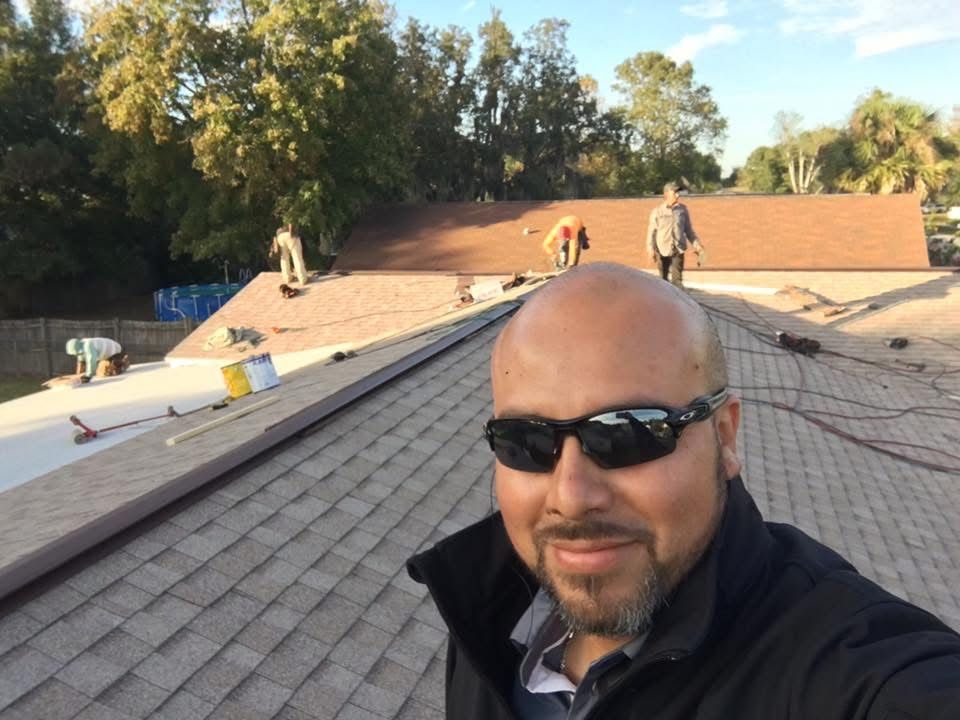
For Winter Springs addresses, Revildor® can assess shingle wear, active leaks, tree-related drainage problems, storm effects, and whether maintenance, focused repair, or reroofing is the stronger next step.
Direct answers about replacement signs, localized repair, contractor licensing, complete shingle systems, tree shade, ventilation, service coverage, and permitting for Winter Springs properties.
Widespread granule loss, repeated leaks, brittle or cracked shingles, lifted edges, exposed fasteners, soft decking, and repairs across several roof sections can point toward replacement. Age alone does not decide the scope; the inspection should show whether the remaining system can accept a durable repair.
Often it can when the entry point is isolated, the surrounding shingles remain flexible, the decking is sound, and the repair can be tied into existing underlayment and flashing. Repeated leaks or fragile materials can make a small patch unreliable even when the ceiling stain is limited.
Revildor® lists CCC1328368 and CGC1508771 as Florida license numbers. Property owners should confirm current licensing, insurance, and the legal company named on the proposal through official sources before authorizing roofing work.
A complete scope may include decking repairs when needed, approved underlayment, starter shingles, field shingles, ridge materials, edge metal, flashings, pipe boots, ventilation, fasteners, sealants, and drainage details. The proposal should identify what is included and how concealed damage will be handled.
Shade itself is not the only issue. The larger concern is slower drying combined with leaves, needles, algae, rubbing branches, and restricted drainage. Routine debris removal and early correction of flashing or gutter problems can reduce avoidable moisture exposure.
Balanced intake and exhaust ventilation helps manage heat and moisture beneath the roof deck. A roofer should inspect the existing airflow path rather than adding vents by count alone, because blocked soffits or competing exhaust types can leave the attic performing poorly.
Service may be available in nearby Seminole County communities, the Orlando area, Lake County, and other parts of Central Florida. The address, roof type, access, and requested scope are confirmed before an appointment is placed on the schedule.
The responsible building department depends on the parcel’s actual jurisdiction, not only the mailing address. The contractor should confirm whether the city or Seminole County is responsible, then follow the current product-approval, inspection, and permit-closeout requirements.
Request a clear evaluation for leaks, lifted or aging shingles, tree debris, storm exposure, ventilation concerns, repairability, or full asphalt shingle replacement.